

Environmental Management Systems (GRI 3-3)
The Company has implemented the environmental management standard system ISO 14001:2015, which encompasses both the use of resources and pollution control, as the tool to drive continuous proactive development, formulate environmental policies and operational guidelines. Representatives of the environmental management system under the supervision of coordinators of the QSE (quality, safety and environment) management system use the internal audit mechanism of the ISO 14001 environmental management system to evaluate operational outcomes, including close monitoring of the changing trend in legal and regulatory requirements of relevance to the Company.
Report on the results of operations to the management. The Company has set short-term environmental goals according to ISO 14001 standards and the Company’s annual KPIs, as well as long-term goals for the next 5-10 years, in order to ensure that environmental operations comply with the policy and support the corporate sustainability goals as follows:
The Company has announced and communicated its environmental policy so as to serve as a guideline for all departments to operate in the same direction by setting environmental objectives, targets, plans and activities, including monitoring and reviewing the results of the implementation thereof every year under the motto.
“Conserve environment to heed and preserve Sri Trang will develop and introduce value to our society”
Implementing environmental policy is a duty that everyone in the organization must perform for the quality of life of employees, customers, communities, society and future generations. The Company has the following policies:
- Comply with laws, regulations and requirements of the government or government agencies related to the environment
- Prevent and reduce the occurrence of waste and support recycling to minimize the impact on the environment
- Continuously and regularly improve and develop the environmental management system by monitoring and auditing
- Focus on conserving resources and energy by using them sparingly and making the most thereof
- Provide environmental education and training to employees, including those who come to work under the organization in order to stimulate and raise awareness, as well as to prevent major problems affecting the environment
- Disclose and disseminate environmental policy to stakeholders
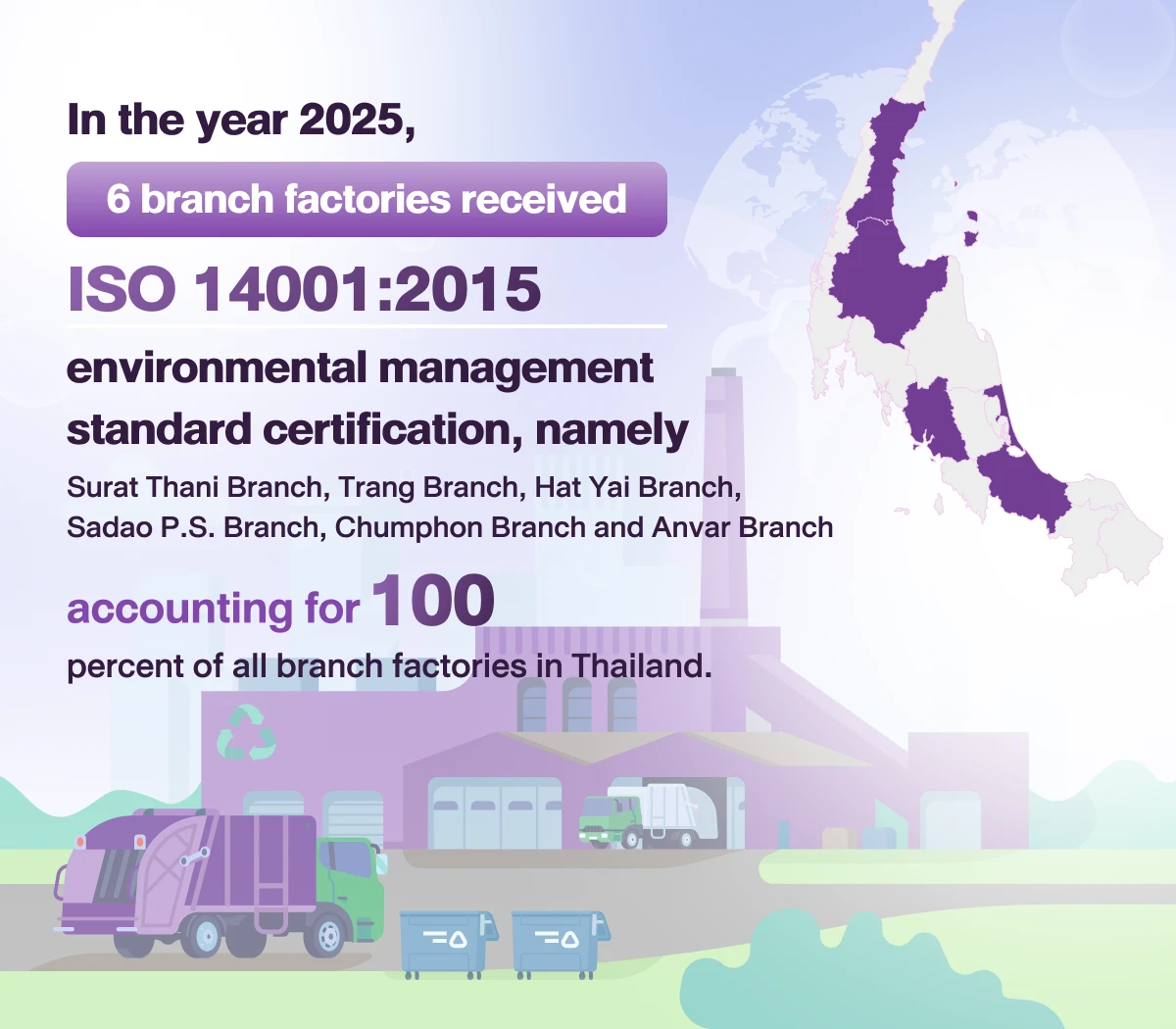
The Company has set a goal of receiving ISO 14001 environmental management standard certification for 100 percent of its factories in Thailand.
In addition, to ensure that the Company’s environmental management system is able to respond to needs and expectations for the well-being of people in the communities surrounding the factory, the Company continually surveys the communities within a radius of 5 kilometers around the factory area based on 5 survey topics: pollutions via water, air, odor, noise and waste and unused materials. In summary, the results of the year 2025 annual survey found that the community was not negatively affected in any significant way.
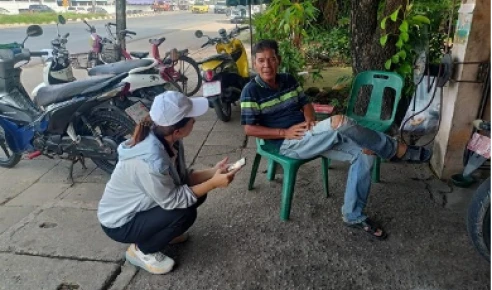
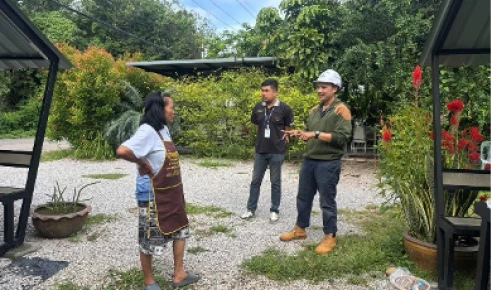
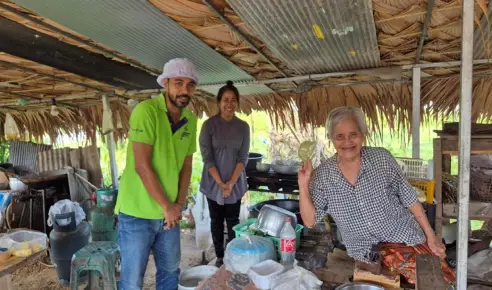
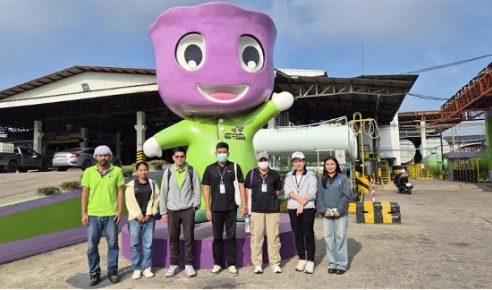
Environmental Impact Survey Conducted by the Company for the Community
Building a Green Culture
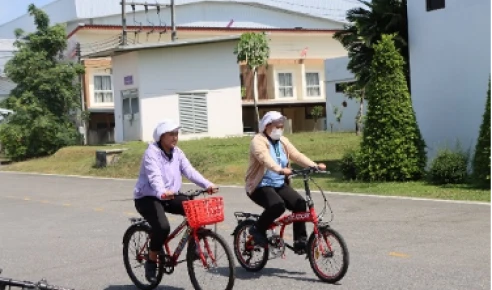
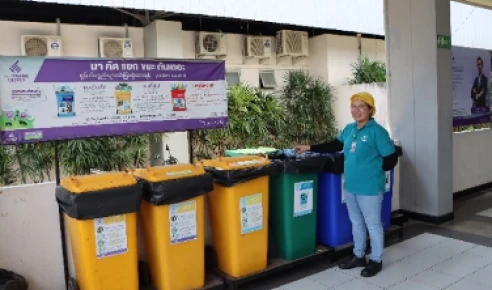
The Company aims to create an environmental culture for employees in the organization with communication, campaigning through public relations boards, vinyl signage, internal audio transmission system, Morning Talk, training and other activities to promote and create awareness among employees to realize the cost-effective use of resources and energy to maximize benefit both inside and outside the organization. Campaign activities include monthly environmental quiz activities, bicycle riding programs within factory premises and employee residences, and the adoption of digital programs and processing systems to reduce paper consumption. The Company has also launched the Reduce Usage = Reduce Waste project and the Recycling Waste Bank in Exchange for Eggs project to promote waste segregation by type, encourage reuse, and minimize waste sent for disposal.
Additionally, the Company has expanded green spaces within the organization and actively participated in reforestation activities and weir construction in collaboration with local communities and government agencies. These initiatives are aligned with the Company’s objective to achieve Level 4 Green Culture status under the Green Industry criteria established by the Department of Industrial Works.
Campaign for Waste Segregation
Cycling within the Factory and Employee Residences
The Company conducts annual knowledge reviews and environmental training courses for employees according to both internal and external training plans. The environmental management training programs include a total of 61 courses, such as Science-based Targets initiative (SBTi), ISO 14001:2015 Requirements & Environmental Aspect, ISO14064-1: 2018 Organizational Level Requirements and Guidelines for Quantification and Reporting of Greenhouse Gas Emissions and Reductions, ISO 14067: Understanding and Managing Product Carbon Footprint, Fundamentals of Energy Engineering, Solar Power Plant Project with Battery Storage Integration (SPP Hybrid), Decarbonization & Smart Energy Solution by Mitsubishi Electric: Sustainable Energy Management Solutions for Carbon Reduction, Environmental Emergency Management, Waste and Material Disposal Management, Wastewater Treatment System Operation and Control, Effluent Quality Control, , Identification and Assessment of Significant Environmental Issues, and Control of Occupational Health, Safety, and Environmental Complaints and Suggestions, among others. These courses integrate knowledge and understanding into practice to enhance good environmental management operations for all stakeholders consistently. In the year 2025, the number of employees participating in training is categorized as follows Environmental Management System 1,155 persons, Greenhouse Gas Management or Climate Change Management 3,148 persons and Pollution Management 338 persons.
Green Bond
The Company places importance on and is committed to conducting business with consideration to the environment in order to create sustainable business growth. The Company has initiated the development of a framework for fundraising criteria for environmental conservation projects for the purpose of investing and/or refinancing old debts of new or existing environmental conservation projects. The Company currently has a total of 5 environmental projects as follows:
In the year 2025, the Company allocated investment funds to environmental projects from green bonds. The percentage distribution of the funds utilized is shown in the graph
Since the issuance of the sustainability bonds through December 31, 2025, the Company has utilized a total of 1,500 million baht from the total proceeds of 1,500 million baht. During the period from January 1 to December 31, 2025, investment expenditures amounted to 242.10 million baht. The allocation of proceeds across the five designated categories is presented in the table below.
| Project Type | Project Name | Project Details | Project Station (Branch Factory) |
Investment Amount (million Baht) |
Number of installations | Results |
|---|---|---|---|---|---|---|
| Renewable Energy | Solar Rooftop and Solar Floating Installation Project | The Company installed solar photovoltaic systems, including both rooftop (Solar Rooftop) and floating systems (Solar Floating), to generate renewable electricity during daytime operations. This initiative reduces dependence on grid electricity and promotes the use of clean energy. | Hat Yai Surat Thani Sadao P.S. |
118.25 | 4.94 MWp |
|
| Pollution Prevention and Control | Installation of 20-ton Boiler to Replace 10-ton Boiler | A high‑efficiency 20‑ton boiler equipped with Multicyclone and Bag Filter air pollution control systems was installed to replace the previous 10‑ton boiler. The project enhances steam generation efficiency and reduces air emissions. | Hat Yai | 73.45 | 1 Unit |
|
| Energy Efficiency | Replacement of High-Efficiency Air-Conditioning Systems | The Company replaced older, low‑efficiency air-conditioning units that used R22 refrigerant with new high‑efficiency systems. This initiative improves energy performance and eliminates the use of ozone‑depleting substances. | Hat Yai | 31.60 | 12 Units |
|
| Auto Blow System Installation Project | The Company installed Auto Blow systems to reduce compressed air consumption in the glove removal process, thereby improving energy efficiency and reducing operational costs. | Trang | 22 Lines |
|
||
| Clean Transportation | Transition from Fuel Vehicles to Electric Vehicles (forklifts, wheel loaders and motorcycles) | The Company replaced fuel-powered forklifts, loaders, and motorcycles with electric vehicles to reduce diesel consumption and lower greenhouse gas emissions from transportation. | Hat Yai Trang | 18.80 | 20 Vehicles |
|
Climate Strategy (GRI 3-3)
Greenhouse Gas Emission Reduction (GRI 305)
The Company recognizes the importance of climate change management, which impacts business operations and society as a whole. Climate change is not only a significant challenge but also an opportunity to create sustainability and long-term growth. Furthermore, greenhouse gas emission reduction is a material sustainability topic for the Company, which has been reviewed and approved by the Corporate Governance and Sustainable Development Committee and the Board of Directors.
Therefore, to demonstrate commitment to mitigating climate change impacts and reducing greenhouse gas (GHG) emissions, to support alignment with the Paris Agreement; which aims to limit the global average temperature increase to well below 2 degrees Celsius above pre-industrial levels and pursue efforts to limit the increase to 1.5 degrees Celsius and to support Thailand’s transition toward Net Zero greenhouse gas emissions, while creating value for all stakeholder groups, the Company has established the following operational guidelines:
Governance
The Board of Directors has assigned the Corporate Governance and Sustainable Development Committee, comprising directors, the Chief Executive Officer (CEO), the Sustainability Development Division Manager and the Chief Financial Officer (CFO), to oversee, review, and monitor climate change and greenhouse gas emission-related issues, as well as establish policies and practices for their management.
To ensure effective management, the Corporate Governance and Sustainable Development Committee meets with the Risk Management Committee at least once annually to discuss risks and opportunities related to sustainable business operations and climate risk management aligned with changing business environmental factors, as well as business management strategies under acceptable risk levels and appropriate costs for the Company.
(Details of the governance structure, roles and responsibilities of the Board of Directors, management, and various departments related to climate change and greenhouse gas emissions can be found in the Annual Report 2025 (Form 56-1 One Report) on the Company’s website at https://www.sritranggloves.com/th/investor-relations/downloads/yearly-reports)
Risk Management
The Risk Management Division and Sustainability Development Department have developed processes for assessing and managing climate change-related risks through meetings with management, risk working groups, and the Sustainability Development Division to evaluate risks and opportunities from relevant scenarios, enabling the Company to effectively respond to potential risks in alignment with the Task Force on Climate-related Financial Disclosures (TCFD) framework and IFRS S2 (International Financial Reporting Standard S2) to identify, assess and prioritize risks and opportunities that may affect the business in the short term (2030), medium term (2050) and long term (>2050).
Climate-related Risks and Opportunities
| Description: | Increased precipitation and flash flooding may disrupt operations through labor and raw material shortages, damage to assets, employee safety concerns, and delayed product deliveries. Environmental incidents could also impact stakeholder confidence and revenue. |
| Time Horizon: | Short Term (2030) to Medium Term (2050) |
| Risk/ Opportunity Level: | Medium |
| Potential financial impacts: |
|
| Response and Adaptation: |
|
| Description: | Extreme weather events, including tropical cyclones and tropical storms, may interrupt supply chains and constrain access to key inputs such as natural latex and biomass fuel for boiler, potentially delaying customer deliveries. |
| Time Horizon: | Short Term (2030) to Medium Term (2050) |
| Risk/ Opportunity Level: | Medium |
| Potential financial impacts: |
|
| Response and Adaptation: |
|
| Description: | Severe drought conditions resulting from climate change, prolonged dry spells, and El Niño phenomena may reduce rainfall, leading to water scarcity in manufacturing processes. This could compromise product quality through reliance on substandard recycled water systems. Furthermore, drought conditions may adversely affect both the quantity and quality of natural rubber latex supply in the market, creating raw material shortages that could slow production capacity or cause operational disruptions. |
| Time Horizon: | Medium Term (2050) to Long Term (>2050) |
| Risk/ Opportunity Level: | Medium |
| Potential financial impacts: |
|
| Response and Adaptation: |
|
| Description: | Climate change and global warming have resulted in rising average temperatures, adversely affecting the volume of natural rubber raw material entering manufacturing facilities. This may lead to reduced production capacity for natural rubber gloves, consequently impacting business continuity. Additionally, elevated temperatures may adversely affect the health and work performance of the labour force, particularly workers engaged in outdoor operations under extreme heat conditions. |
| Time Horizon: | Medium Term (2050) to Long Term (>2050 |
| Risk/ Opportunity Level: | Low |
| Potential financial impacts: |
|
| Response and Adaptation: |
|
| Description: | Climate change-induced sea level rise increases exposure to coastal storm surges, tidal flooding, and inundation risks at coastal manufacturing facilities. Such events may cause damage to critical infrastructure, production disruptions, and equipment impairment. Furthermore, there are heightened risks of coastal erosion and saltwater intrusion, which may compromise water quality, affect raw material supply from rubber plantations, and threaten the long-term stability of the supply chain. |
| Time Horizon: | Medium Term (2050) to Long Term (>2050) |
| Risk/ Opportunity Level: | Medium |
| Potential financial impacts: |
|
| Response and Adaptation: |
|
| Description: | Should Thailand implement carbon pricing mechanisms such as a Carbon Tax or an Emissions Trading Scheme (ETS), the Company would incur additional costs associated with carbon taxation. Furthermore, the Company may be required to purchase carbon credits to offset greenhouse gas emissions. |
| Time Horizon: | Short Term (2030) to Medium Term (2050 |
| Risk/ Opportunity Level: | High |
| Potential financial impacts: |
|
| Response and Adaptation: |
|
| Description: | The introduction of mandatory greenhouse gas emissions reporting and product carbon footprint disclosure requirements would necessitate systematic investment in data management infrastructure. Failure to ensure transparency and alignment with international standards may adversely affect customer confidence and access to international markets. |
| Time Horizon: | Short Term (2030) to Medium Term (2050 |
| Risk/ Opportunity Level: | Medium |
| Potential financial impacts: |
|
| Response and Adaptation: |
|
| Description: | Changes in energy policies and carbon pricing may result in increased volatility in energy and raw material costs, alongside growing demand for renewable energy sources such as biomass. These renewable sources may become subject to sustainability certification and traceability requirements, thereby affecting production costs and future competitiveness. |
| Time Horizon: | Short Term (2030) to Medium Term (2050) |
| Risk/ Opportunity Level: | Medium |
| Potential financial impacts: |
|
| Response and Adaptation: |
|
| Description: | Regulatory pressures and decarbonization targets are accelerating the adoption of low-carbon technologies and innovations across industries. Continued reliance on high-carbon technologies may expose the Company to stranded asset risks and loss of competitive advantage. |
| Time Horizon: | Medium Term (2050) |
| Risk/ Opportunity Level: | Medium |
| Potential financial impacts: |
|
| Response and Adaptation: |
|
| Description: | Consumer behaviour and investor interest in environmental performance and ESG criteria continue to intensify, driving sustained demand growth for sustainable and low-carbon products. Failure to adapt in a timely manner may result in market share erosion, revenue loss, and reputational damage. |
| Time Horizon: | Short Term (2030) to Medium Term (2050) |
| Risk/ Opportunity Level: | Low |
| Potential financial impacts: |
|
| Response and Adaptation: |
|
| Description: | Increased monitoring and assessment by customers, external assurance providers, investors, regulators, NGOs, and community stakeholders drive the Company toward greater sustainability and transparency in operations, consistent with ESG frameworks. Insufficient responsiveness to these expectations may result in reputational damage, erosion of stakeholder trust, restricted capital access, and heightened societal demands for expedited corporate transformation. |
| Time Horizon: | Short Term (2030) to Medium Term (2050) |
| Risk/ Opportunity Level: | Low |
| Potential financial impacts: |
|
| Response and Adaptation: |
|
| Description: | The energy transition has facilitated the adoption of renewable energy sources, including solar power, biomass, and other alternatives, across manufacturing facilities and production processes. This reduces dependence on fossil fuels, mitigates exposure to energy price volatility, decreases greenhouse gas emissions, and lowers long-term energy costs. |
| Time Horizon: | Short Term (2030) to Medium Term (2050) |
| Risk/ Opportunity Level: | Very High |
| Potential financial impacts: |
|
| Response and Adaptation: |
|
| Description: | Opportunities exist for the development of carbon credit projects under both domestic frameworks (such as T-VER) and international standards (such as Verra and Gold Standard). These initiatives enable the generation of additional value from carbon credits while enhancing the Company's reputation as a developer of carbon sequestration and clean energy projects. |
| Time Horizon: | Short Term (2030) to Medium Term (2050) |
| Risk/ Opportunity Level: | High |
| Potential financial impacts: |
|
| Response and Adaptation: |
|
| Description: | Growing demand for environmentally friendly and low-carbon products presents opportunities for the Company to develop sustainable product lines that comply with the EU Deforestation Regulation (EUDR) and embody the "Clean World Clean Gloves" philosophy. Production utilizing EUDR-compliant latex will generate added value, strengthen brand reputation, and drive revenue growth from sustainable and low-carbon products. |
| Time Horizon: | Short Term (2030) to Medium Term (2050) |
| Risk/ Opportunity Level: | High |
| Potential financial impacts: |
|
| Response and Adaptation: |
|
The Company has performed climate scenario analysis to identify and assess the most material climate-related risks and opportunities to its operations. This analysis is based on the IPCC's Shared Socioeconomic Pathways (SSPs) framework, complemented by International Energy Agency (IEA) assumptions and relevant academic research, enabling comprehensive projections of climate trends and potential business impacts across short term, medium term and long term timeframes.
Climate Scenario Analysis
|
Climate-related Risk and Opportunities |
Risk and Opportunities Level |
Potential Financial Impact |
|||
|---|---|---|---|---|---|
|
Scenario |
Time Horizon |
||||
|
Short Term (2030) |
Medium Term (2050) |
Long |
|||
|
Physical Risks
|
RCP 2.6 or SSP1 2.6 (1.3 – 2.4 °C) |
Medium |
Medium |
Medium |
In the year 2030, under various intensifying climate scenarios, three out of six manufacturing facilities may be exposed to localized flooding events. |
|
RCP 7.0 or SSP3 4.5 |
High |
High |
High |
||
|
RCP 8.5 or |
High |
High |
High |
||
|
Transition Risks
|
IEA Stated Policies (STEPS) |
Medium |
Medium |
Medium |
In the year 2030, under various policy scenarios, the Company may be exposed to financial impacts arising from carbon pricing mechanisms, contingent upon the stringency of policy implementation and the extent of cost pass-through to consumers |
|
IEA Announced Pledges (APS) |
High |
High |
High |
||
|
IEA Net Zero Emissions (NZE) |
Very High |
Very |
Very High |
||
|
Climate Opportunity
|
IEA Stated Policies (STEPS) |
Medium |
Medium |
Medium |
In the year 2030, under various scenarios characterized by increasingly stringent climate and energy policies, electricity costs; particularly the fuel tariff (Ft) component reflecting fuel costs may experience heightened volatility. |
|
IEA Announced Pledges (APS) |
Medium |
High |
Medium |
||
|
IEA Net Zero Emissions (NZE) |
High |
High |
Medium |
||
- SSP1–RCP2.6 | IEA NZE: This scenario assumes accelerated global decarbonization efforts, a rapid transition to clean energy, and effective limitation of global temperature rise to below 1.5°C
- SSP3–RCP7.0 | IEA APS: This scenario reflects the implementation of announced national commitments and pledges; however, decarbonization measures remain insufficient to arrest climate change, resulting in continued global warming and increased climate variability.
- SSP5–RCP8.5 | IEA STEPS: This scenario represents a future characterized by continued heavy reliance on fossil fuels, persistently high greenhouse gas emissions, severe global temperature rise, and increased frequency and intensity of climate-related disasters.
Strategy
The Company has established greenhouse gas emission reduction strategies aligned with international and national commitments, focusing on
- Enhancing energy efficiency through production process improvements and the adoption of
high-efficiency technologies - Increasing the proportion of renewable energy use, particularly biomass and other clean energy sources
- Transitioning to low-carbon technology in production processes
- Implementing carbon management projects through reforestation activities and ecosystem restoration to sequester carbon dioxide
The Company has formulated climate change-related risks and opportunities, including management approaches reviewed by the Risk Management Committee and the Corporate Governance and Sustainable Development Committee, and approved by the Board of Directors, as follows:
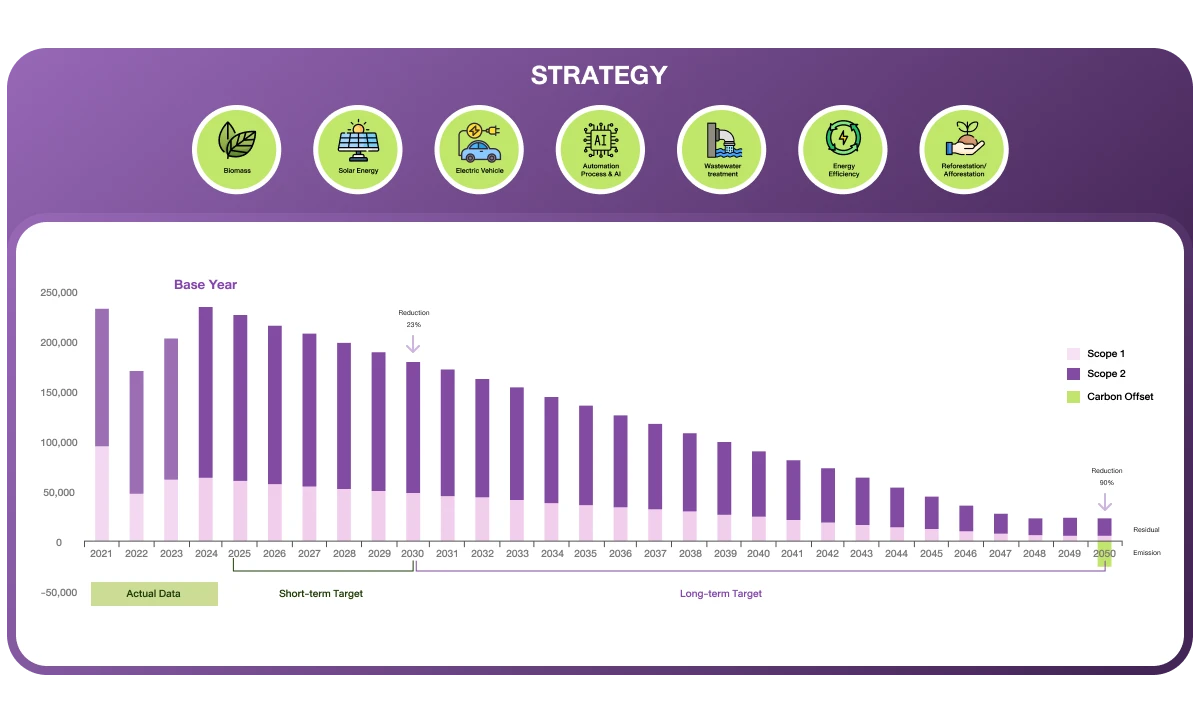
Net Zero Pathway
The Company's ambition extends beyond mere compliance with the SBTi, which permits residual emissions of up to 10%. The Company holds a broader vision to drive its operations towards the achievement of absolute Net Zero greenhouse gas emissions by 2050. This commitment encompasses the pursuit of greenhouse gas emission reductions across all business activities, alongside the maximization of carbon sequestration efforts, with the aim of fully neutralizing all remaining emissions.
Climate Change Management
The Company recognizes the risks and opportunities arising from climate change impacts on business operations, as well as the necessity to strengthen climate resilience. The Company is committed to participating in greenhouse gas emission reduction aligned with the Paris Agreement and national targets, while implementing the Company’s Net Zero Pathways to achieve stated commitments.
Therefore, to ensure orderly, efficient, and effective implementation toward these objectives, the Company has established a Climate Change Working Group to oversee and drive operations toward the desired outcomes. Ms. Jarinya Jirojkul, Chief Executive Officer (CEO) of the Company, has declared the Net Zero Commitment, with continuous review and adjustment of targets to align with business context, ensuring that operational results reflect actual circumstances and are concretely achievable. Furthermore, the Company has communicated this commitment to employees at all levels throughout the organization for acknowledgment and implementation, while publicly disclosing this commitment on the Company’s website to demonstrate transparency and accountability to all stakeholder groups.
Greenhouse Gas Emission Reduction Targets and Action Plans
Based on risk and opportunity assessments, the Company has established greenhouse gas emission reduction goals and action plans from business processes toward achieving Net Zero emissions by applying the Science Based Targets initiative (SBTi), a collaborative project of leading global organizations including CDP (Carbon Disclosure Project), UNGC (United Nations Global Compact), WRI (World Resources Institute), and WWF (World Wide Fund for Nature), which jointly support organizations worldwide in setting greenhouse gas emission reduction targets based on scientific standards. Additionally, the Company manages operations to align with and respond to relevant United Nations Sustainable Development Goals (UN SDGs), including:
- Identify significant greenhouse gas emission sources and implement emission reduction through
Carbon Footprint assessment, while improving energy efficiency of production machinery to achieve maximum efficiency - Improve the energy efficiency of machinery in the production process to achieve maximum efficiency
- Study and develop the use of low-carbon technologies, such as increasing the proportion of renewable energy use, both from biomass fuels and electricity from solar power
- Change the use of fossil fuels for vehicles used in the production process
- Study and develop carbon reduction and capture projects in the agriculture and forestry sectors to store carbon credits
- Raise awareness and campaign for employees to join in reducing greenhouse gas emissions from sources both in the production process and in daily life
- Provide education to business partners to foster understanding of greenhouse gas emission reduction,
covering both raw material procurement and transportation processes, enabling partners to apply
this knowledge in their operations and collectively create an environmentally-friendly supply chain
The set targets cover reductions of both short-term, medium-term and long-term greenhouse gas emissions.
- Reducing greenhouse gas emissions per product unit (Scope 1 and 2) by 20% within 2030 compared to 2024 (base year)
Carbon Footprint assessment, while improving energy efficiency of production machinery to achieve maximum efficiency - Reducing greenhouse gas emissions of organization (Scope 1 and 2) by 23% within 2030 compared to 2024 (base year)
- Net Zero by 2050 compared to 2024 (base year)
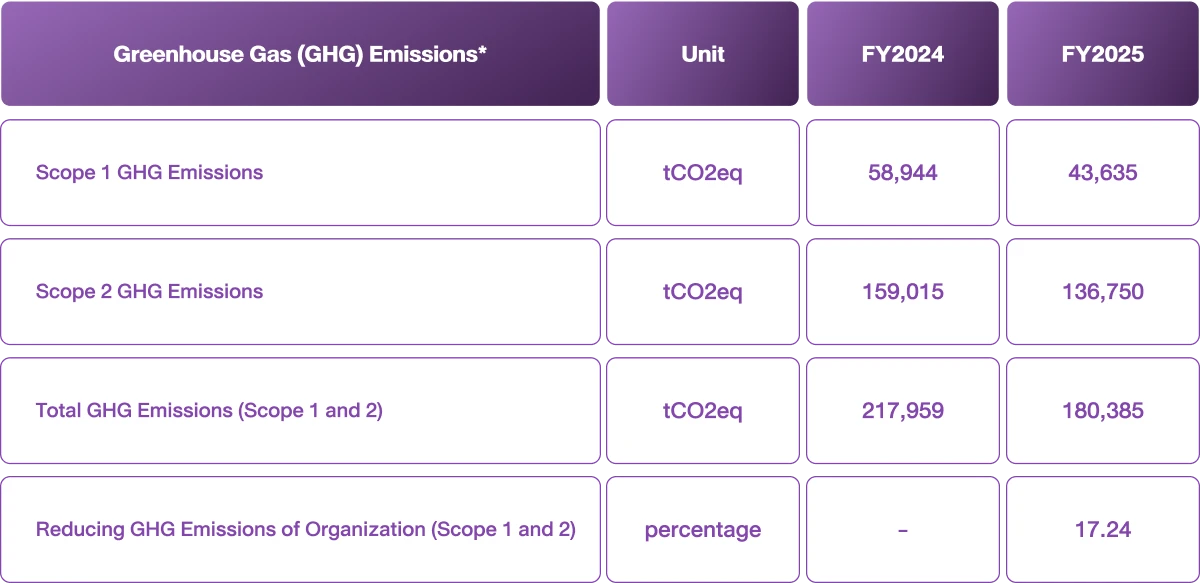
Greenhouse Gas (GHG) Emissions per Product Unit (Scope 1 and 2) or GHG Intensity
Unit: Tons of Carbon Dioxide Equivalent per Million Pieces (tCO2eq/Mpcs.)
In 2025, six branch factories; namely, Hat Yai, Surat Thani, Trang, Chumphon, Sadao P.S. and Anvar prepared and registered Carbon Footprint of Products (CFP) for a total of 24 products with the Thailand Greenhouse Gas Management Organization (Public Organization) and obtained verification for four greenhouse gas indicators in accordance with the requirements for calculating and reporting Carbon Footprint for Organization (CFO) for the 2025 reporting period.
- The Company and Trang Branch Factory receive recognition as a "Climate Action Leading Organization (CALO)" from the Thailand Greenhouse Gas Management Organization (Public Organization) or TGO in collaboration with the Thailand Carbon Neutral Network Working Group. Trang Branch Factory served as the pilot project, with subsequent expansion to organization-level certification to ensure consistent greenhouse gas management throughout the entire organization. Additionally, the Company registered its commitment toward the Net Zero greenhouse gas emission target following TGO guidelines, reflecting the Company's sustainability commitment and participation in Thailand’s transition toward a low-carbon economy and achievement of national targets.
- Hat Yai Branch Factory receives the Greenhouse Gas Emission Reduction Award from the Low Emission Support Scheme (LESS) program for the following projects (certification period: 2024):
- Waste Management Projects: 4 activities achieving greenhouse gas reduction of 1,196 tCO2eq
- Energy Project: 1 activity achieving greenhouse gas reduction of 2,356 tCO2eq
- Surat Thani Branch Factory receives the Greenhouse Gas Emission Reduction Award from the Low Emission Support Scheme (LESS) program for the following projects (certification period: 2023-2024):
- Waste Management Projects: 2 activities achieving greenhouse gas reduction of 1,685 tCO2eq
- Energy Projects: 2 activities achieving greenhouse gas reduction of 55 tCO2eq
- Trang Branch Factory receives the Greenhouse Gas Emission Reduction Award from the Low Emission Support Scheme (LESS) program for the following projects (certification period: 2023-2024):
- Waste Management Projects: 6 activities achieving greenhouse gas reduction of 3,349 tCO2eq
- Energy Projects: 2 activities achieving greenhouse gas reduction of 1,300 tCO2eq
- Chumphon Branch Factory receives the Greenhouse Gas Emission Reduction Award from the Low Emission Support Scheme (LESS) program for the following projects (certification period: 2024):
- Waste Management Project: 1 activity achieving greenhouse gas reduction of 126 tCO2eq
- Energy Projects: 2 activities achieving greenhouse gas reduction of 149 tCO2eq
Energy Management (GRI 3-3)
The Company’s rubber gloves production process consumes significant heat, steam and electricity, which translates into the cost of production; furthermore, the factories of the Company are designated factories according to the Energy Conservation Promotion Act, B.E. 2535. The Company has realized and given importance to continually improving energy efficiency in production, including promoting the use of renewable energy to achieve the most efficient use of energy, reducing energy costs and reducing greenhouse gas emissions.
Energy management is done by setting up an energy conservation committee and appointing an authorized person responsible for energy at the factory to manage energy use through energy conservation projects and various energy saving measures as well as promoting the use of renewable energy, such as choosing energy-saving equipment, improving work processes, using 100 percent biomass fuel to produce heat from the boiler, and has implemented a solar photovoltaic system installation project to power production processes. These initiatives not only reduce electricity procurement costs but also support the organization’s greenhouse gas emission reduction targets (GRI 302).
Management Guidelines
- Establish annual targets and plans to reduce the use of electricity and heat
- Regularly check the integrity of equipment and machines to achieve maximum energy efficiency
- Improve and modify the parts and equipment of machinery to be energy-saving
- Study and develop innovations in renewable energy and alternative energy for use within the Company
In order for the Company to achieve its short-term, medium-term, and long-term energy conservation goals, as well as support the goal of reducing greenhouse gas emissions from business operations, the Corporate Governance and Sustainability Development Committee has reviewed the plans and proposed to the Company’s board of directors to approve the investment budget for the solar power generation system installation project for the years 2025-2028 as follows:
The projects in the year 2025 are as follows:
The Company promotes solar energy utilization through the installation of Solar Rooftop and Floating Solar systems across all six branch factories, with a total installed capacity of 14.72 megawatts (FY2024: 2.97 megawatts). The average annual electricity generation amounts to 20,632 megawatt-hours. The generated electricity is utilized in production processes and office operations, reducing Scope 2 greenhouse gas emissions from purchased electricity by a total of 9,800 tons of carbon dioxide equivalent per year, resulting in approximately 81 million Baht in external electricity cost savings.
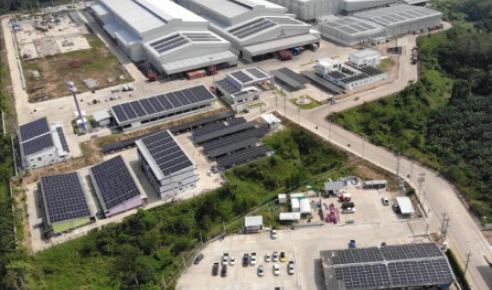 Solar Rooftop at Chumphon Branch Factory
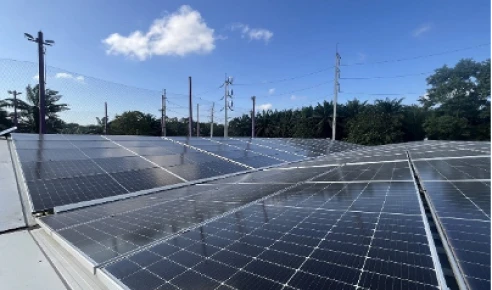 Solar Rooftop at Trang Branch Factory
Reducing total energy consumption per product unit by 5.5% within 2027 compared to 2024 (base year)
Electricity consumption intensity
Proportion of electrical consumption to thermal energy from biomass fuel (unit : GJ)
Energy Reduction Management Project
Cleaning Brush System Improvement Project
Location: Anvar Branch Factory
Background and Significance: The existing cleaning brush system across the production lines utilized a high number of motors per line, resulting in elevated electricity consumption and suboptimal cleaning performance. The branch factory consequently initiated an improvement project to systematically reduce energy usage and enhance overall production efficiency.
Implementation Details: The branch factory designed and installed a new cleaning brush system to replace the existing infrastructure, covering 10 production lines. The implementation was carried out between October 2024 and April 2025.
Benefits Realized:
|
Dimensions |
Outcomes |
|---|---|
|
Energy Saving |
Reduced electricity consumption within the cleaning brush system by 50.00% per production line |
|
Production Efficiency |
Decreased energy cost per unit of production by 5.76% |
|
Electricity Cost Saving |
Reduced electricity expenditure by 252,228 Baht per month |
|
Environmental |
Lowered greenhouse gas emissions through reduced electricity consumption across |
This project reflects the Company's commitment to enhancing energy efficiency throughout its production processes, in alignment with its targets for greenhouse gas emission reduction and sustainable resource utilization.
Water and Effluent Management (GRI 303)
Water management (GRI 303-1)
Water is another main resource used in the glove production process and may affect the quality of the gloves. In some parts of the production process, quite a lot of water is used. The Company is therefore aware of the risks associated with bringing water from various sources to be used, in terms of risks both quantity and quality-related risks, water-related regulatory changes and pricing structure and water-related stakeholder conflicts. In 2022, the Company began to analyze and assess the risk situation pertaining to sufficiency of water resources of all branch factories located in Hat Yai District, Sadao District, Songkhla Province, Kantang District, Trang Province. Kanchanadit, Surat Thani Province and Pathio District, Chumphon Province by using the Aqueduct Water Risk Atlas tool of the World Resources Institute (WRI) and setting the frequency of analysis every 2 years. Results for the year 2025 indicate the Trang branch factory is located in an area classified as having low-medium water stress levels. The Hat Yai, P.S. Sadao, Anvar and Chumphon branch factories are situated in areas characterized by medium-to-high water stress levels. Meanwhile, the Surat Thani branch factory is located in an area designated as having high water stress levels, which represents a zone of significant risk with respect to water resource scarcity. Nevertheless, assessment results derived from the WRI indicate that the Company's groundwater consumption across all branch facilities remains at a level that does not generate adverse impacts on either the quantity or the quality of the surrounding groundwater sources, the Company has set guidelines for increasing efficiency of water use in the production process, in support of Sustainable Development Goal 6 (SDG 6) and Thailand’s 20-year water resources management master plan to reduce the impact of water shortages in the future as follows:
Management Guidelines
- Provide water for use in sufficient quantity and of suitable quality for the production process without affecting the community
- Set goals for effective water management every year using the 3Rs principle
- Develop a soft water production system for maximum efficiency in order to reduce the use of groundwater
- Provide surface water sources and replenish groundwater in the areas surrounding the plant to help prevent flooding or drought
- Promote invention and improvement to reduce water consumption in each process with Kaizen and QCC activities
- Reduce the use of natural water sources by improving systems or implementing projects to increase water recycling or reuse, such as installing a water reclaim system
Reducing water consumption per product unit by 6%
within 2029 compared to 2024 (base year)
In 2025, the Company did not achieve its established water consumption reduction targets. This performance variance is attributable to the inherent complexity of production water management, which is influenced by multiple interdependent operational parameters such as Regulatory and Customer Specification Requirements: Product specifications must conform to diverse regulatory frameworks and quality standards that vary significantly across customer requirements and jurisdictional mandates. These varying compliance requirements necessitate specific production parameters that influence water utilization patterns. Production Process Variables: Water consumption is directly affected by production control factors, including raw material characteristics and chemical formulation requirements throughout the manufacturing process. These variables create operational constraints that impact the Company’s ability to optimize water usage while maintaining product quality and compliance standards. Notwithstanding the current performance gap, the Company maintains its unwavering commitment to efficient water resource stewardship. In response to the identified challenges, the Company has implemented an intensified water management framework encompassing: Process Optimization Initiatives, Enhanced Monitoring Protocols, Technology and Innovation Deployment.
This reinforced management approach is designed to ensure the Company achieves its revised water management targets within the established timeframe, demonstrating substantive progress toward sustainable water stewardship objectives and responsible environmental resource management. The Company’s continued commitment to addressing these complex operational challenges reflects its dedication to environmental sustainability and long-term operational excellence.
Water Supply Pipe Downsizing Project
Location: Surat Thani 3 Branch Factory (SR3)
Background and Significance: The SR3 factory identified that treated hot water was being discharged directly into the wastewater drainage system without further utilization. This practice resulted in unnecessary loss of water resources and placed an avoidable burden on the wastewater treatment system.
Implementation Details: The SR3 factory installed a piping system to redirect wastewater discharge into a holding tank, from which the collected water is pumped and reused as a substitute in the production process, in place of being discharged.
Benefits Realized:
- Reduced water consumption by 70,170 cubic meters per year, equivalent to 22 cubic meters per million pieces
- Decreased operational cost by 565,678 Baht per year
This initiative reflects the Company's commitment to enhancing resource efficiency throughout its production processes, in alignment with its targets for greenhouse gas emission reduction and sustainable resource utilization.
Water Supply Pipe Downsizing Project
Location: Trang Branch Factory
Background and Significance: The existing water supply pipes within the production lines were oversized, resulting in water flow rates that exceeded operational requirements. The branch factory consequently investigated appropriate pipe size reductions to better align with actual usage demands, with the objective of minimizing water resource losses throughout the production process.
Implementation Details: The branch factory reduced the diameter of water supply pipes to regulate flow rates in accordance with actual operational requirements, without compromising production process efficiency.
Benefits Realized:
- Reduced water consumption by 62.00%
- Decreased water consumption by 9,800 cubic meters per year
- Lowered the volume of wastewater
This project exemplifies the achievement of significant resource savings through low-investment process improvements, in alignment with the Company's targets for water consumption reduction and waste minimization across its production processes.
The Company has a standard wastewater treatment system as Aerated Lagoon whereby wastewater generated from production processes and activities will enter the wastewater treatment system and treated so that the water quality passes the legally required standards for the control of sewage from a factory, considered as the minimum effluent quality standard (GRI 303-2). The Company has installed a BOD (Biochemical Oxygen Demand: BOD) online system that measures the amount of oxygen needed by microorganisms to decompose organic substances in wastewater and sends BOD measurement results in real time to the Department of Industrial Works. This ensures that the quality of effluent water discharged to public water sources meets legal standards.
And from the efforts to reduce and use water resources as efficiently as possible, the Company has developed and improved wastewater treatment technology to achieve efficiency. The Company focuses on recycling treated water back into the production process according to the 3Rs principles to help reduce the use of new water. The guidelines are as follows:
- Monitor and control the wastewater treatment system to be fully effective at all times
- Use of technology and innovation to improve and control the operation of the wastewater treatment system to increase efficiency and reduce energy consumption
- Improvement and development of the water treatment systems so that at least 5 percent of the water can be reused in production
- Maintaining preparedness for potential emergencies such as power outages and floods
- Installation of pre-treatment systems to increase the efficiency of wastewater treatment
(The results of water discharge quality can be found in the GRI Content Index and Table of Environmental Performance at page 227 on Sustainability Report 2025.)
Treated Water Reclamation in Production Processes Project
Location: Chumphon Branch Factory
Background and Significance: The branch factory installed a Reclaim Water System at the final wastewater retention pond (Oxidation Pond). Treated water undergoes a conditioning process involving chemical treatment, pH adjustment, disinfection, and sedimentation, followed by filtration, to achieve the water quality standard required for reintroduction into the production process.
Benefits Realized:
| Year | Volume of Water Reclaimed |
|---|---|
| 2024 | 14,458 cubic meters per month, equivalent to 14.31% |
| 2023 | 30,547 cubic meters per month, equivalent to 24.59% |
| 2022 | 40,639 cubic meters per month, equivalent to 28.21% |
In the year 2025, the volume of water reclaimed exceeded the established target of 10% by a factor of 2.80 times, representing a substantial advancement beyond the original objective.
The Company attaches great importance to air quality management resulting from its operations as the production process may cause air pollution. This may affect employees and surrounding communities around the factory location. The Company, therefore, has developed a management plan to control air quality, both inside and outside the factory, as well as around its vicinity, whereby there are regular measurements and monitoring to ensure that the air quality is in accordance with the legal and regulatory required standards. In addition to measuring the air quality from the vents, the Company has organized a working group to periodically survey and measure the air quality in nearby communities as well.
- Zero number of non-compliance with environmental laws and regulations case
- Number of incidents of non-compliance with environmental laws and regulations: 1 case* Remark: * Further details can be found in the section on Human Rights and Non-Discrimination Performance on page 121.
In order to effectively manage air quality, the Company has installed air pollution treatment systems according to the type of production process so as to reduce the impact both within the factory premises and around nearby communities as follows:
- For the biomass fuel heating boiler (chopped wood), the Company installed three types of pollution treatment systems:
- Single Cyclone and Multi Cyclone (dry dust and dry ash collection system)
- Wet Scrubber (dry dust and wet ash collection system)
- Bag Filter (collector that removes with high efficiency)
- The chlorine gas production process is equipped with a wet scrubber
The Company has set a goal for zero environmental complaints and established operating guidelines to achieve the following:
- Use of clean fuels in the production process (100% Biomass)
- Examine and measure the operation of the system and the air quality from the air ducts according to the annual work plan
- Visit the site to survey the impact and measure the air quality in nearby communities regularly according to the plan
- Communicate environmental quality to communities and the public
(The results of air quality measurement from the vents can be found in the GRI Content Index and Table of Environmental Performance page 224 on Sustainability Report 2025.)
Waste Management (GRI 306-1, 306-2)
The Company places importance on efficient management of waste or unused materials which helps to promote cost-effective use of resources and reduce the cost of disposal of waste arising from the Company’s operations, both directly and indirectly. The Company adheres to the 3Rs (Reduce, Reuse & Recycle) principle in waste management as a guideline for managing waste and unused materials in the factory whereby its focus is on reuse or use as a replacement in other agencies/units to reduce waste disposal and adopt a circular economy that focuses on the cost-effective use of resources and recycling through the use of innovation and technology to optimize resource utilization, reduce the need for new resources.
Main wastes from the production process are wastewater from the washing and forming process prior to dipping in latex, sludge from the wastewater treatment system, ash from the combustion process of wood chipped boiler biomass, formers which are damaged or deteriorated from use, wooden pallets or plastic drums from raw material containers, packaging of chemicals, oil tanks and scrap from maintenance work including broken gloves. All waste has been sorted, stored, recorded and disposed legally. Unused materials that do not have a significant impact on the environment and the community, and waste such as end-of-life formers, pallets, and plastic drums can also be reused within the factory and recycled and can create added value with the community as well. (Further details can be found in the section on Support and Participation with the Community Performance on pages 157-159.)
In addition, the Company has supported partners in the supply chain through the Business Partner Code of Conduct and Guidelines to encourage efficient use of resources; sustainable material. This includes implementing waste management according to the 3Rs principle, with initiatives such as the ongoing Recycled Box Project (Further details can be found in the Supplier Development section on pages 109-110.). These efforts aim to reduce waste generation and promote sustainable waste management, which also encompasses reducing landfill disposal that contributes to carbon dioxide emissions.
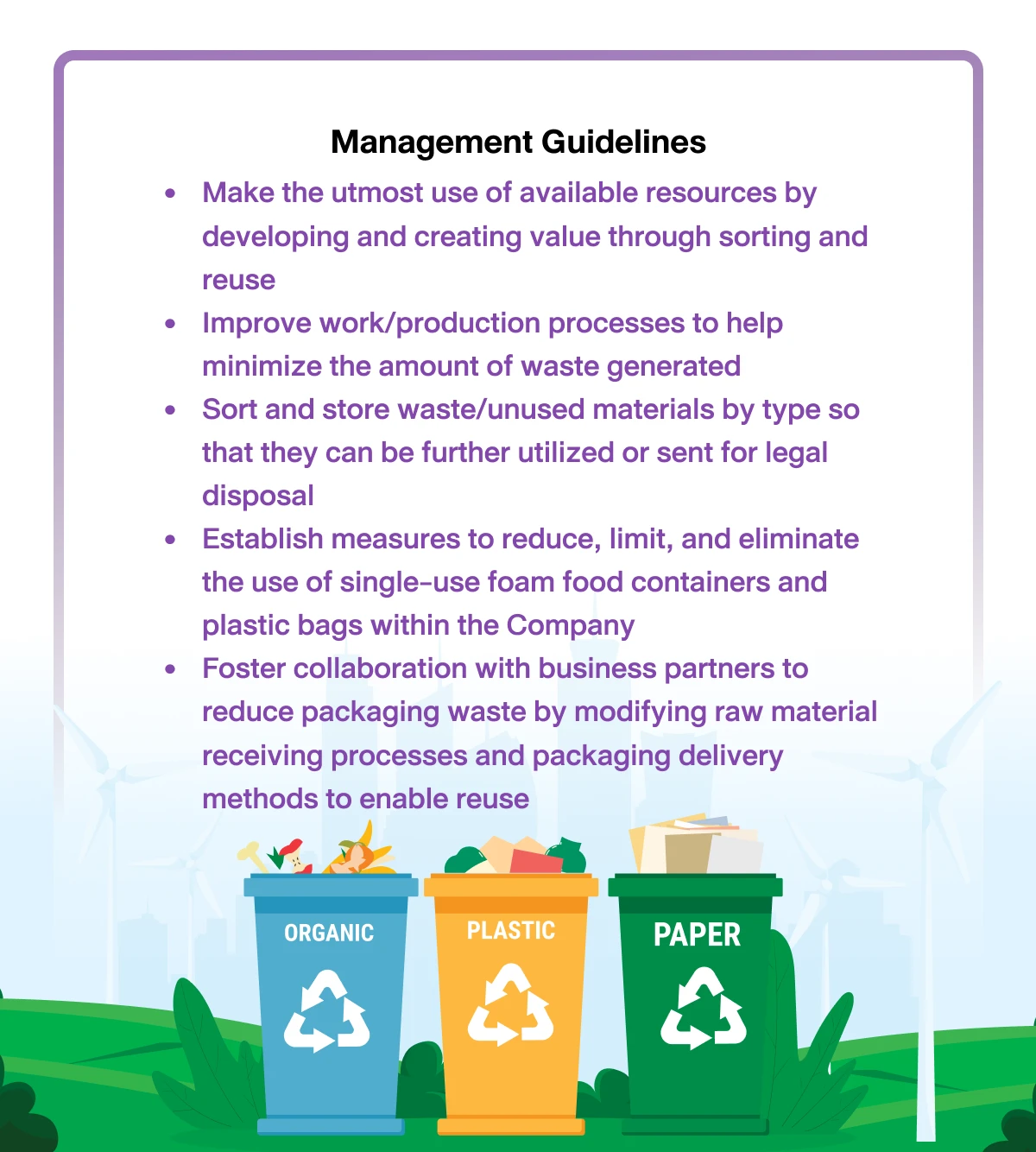
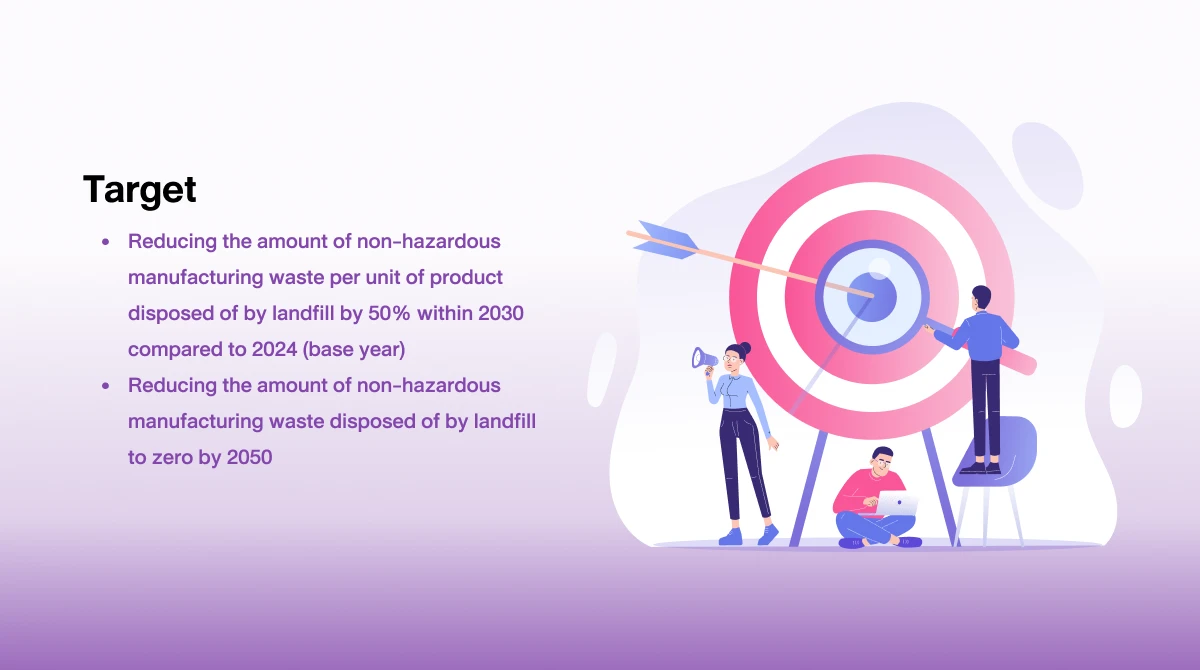
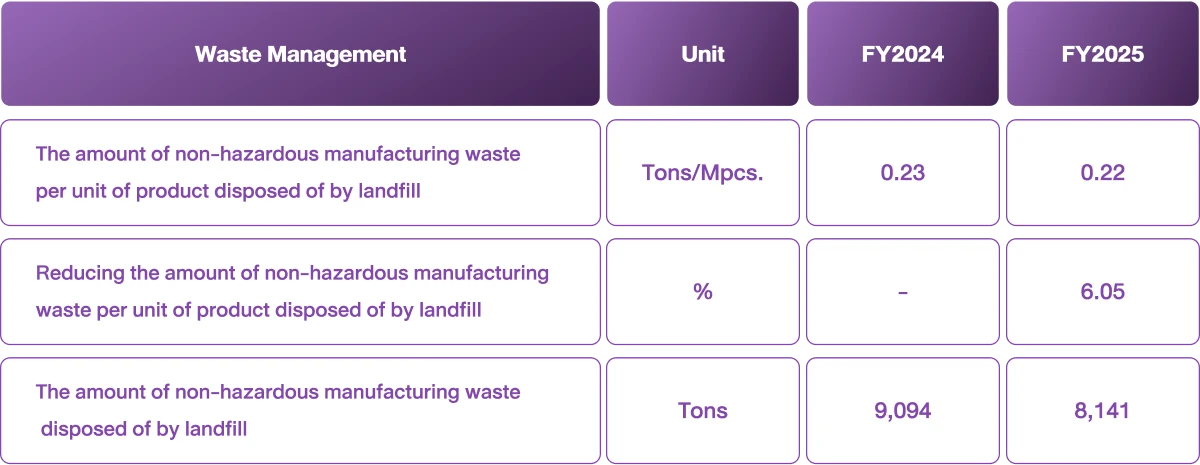
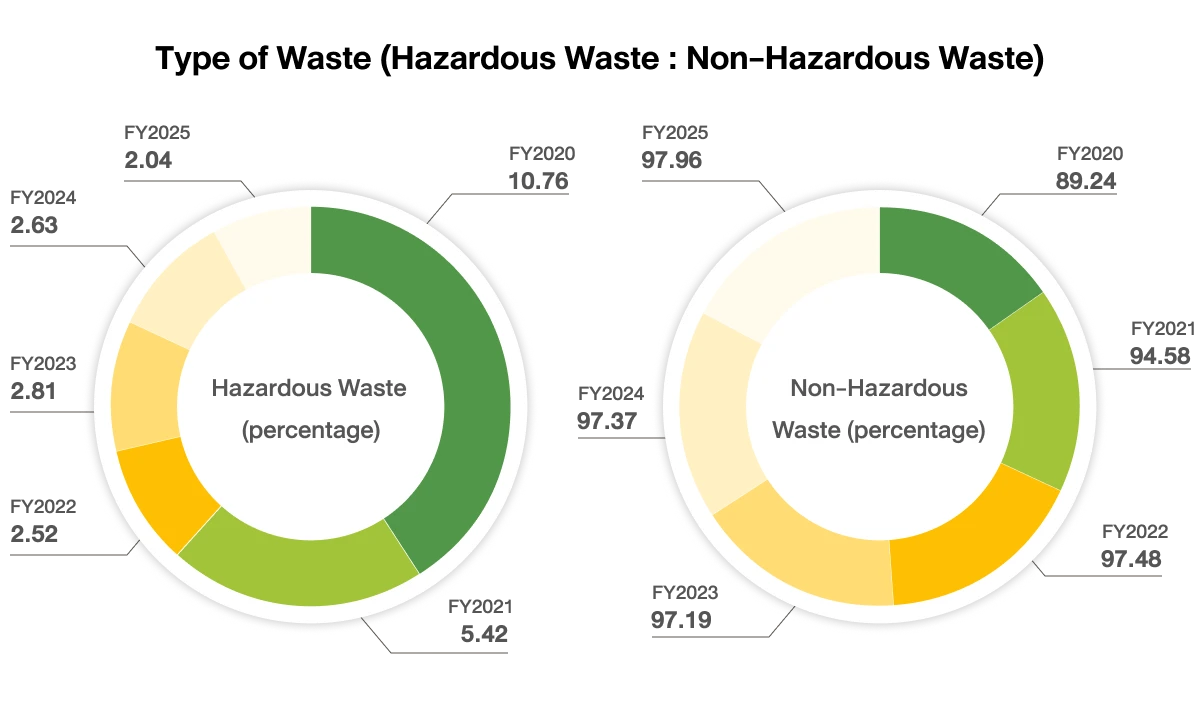
Examples of projects to reduce resource use and waste that are operated and their results
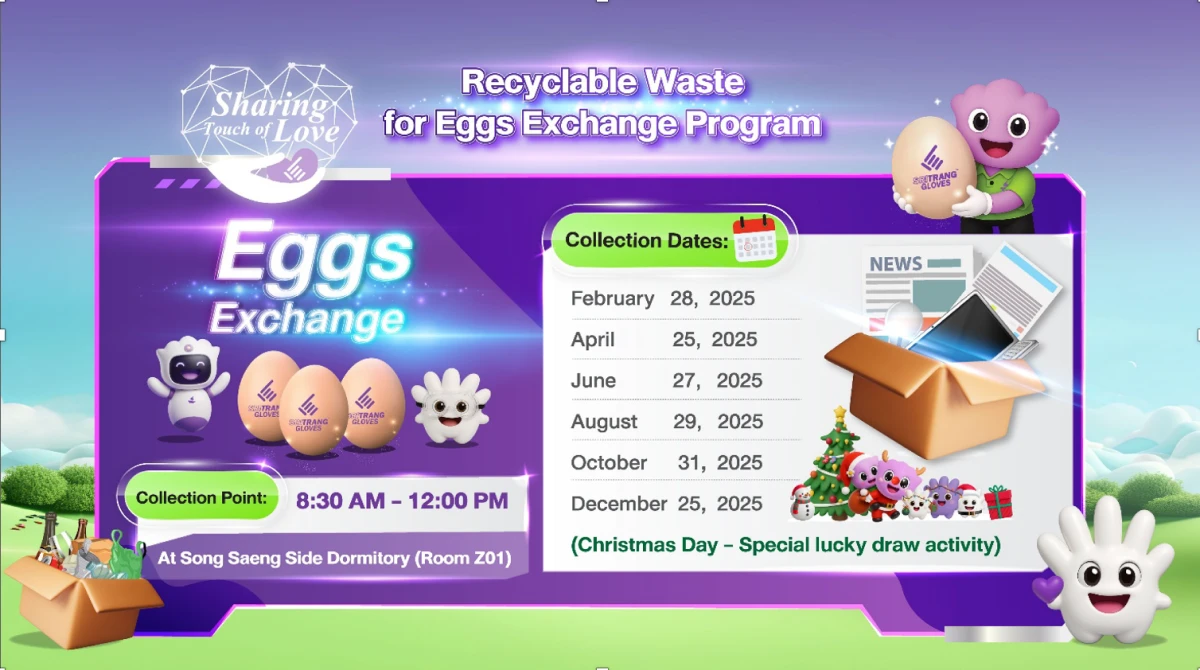
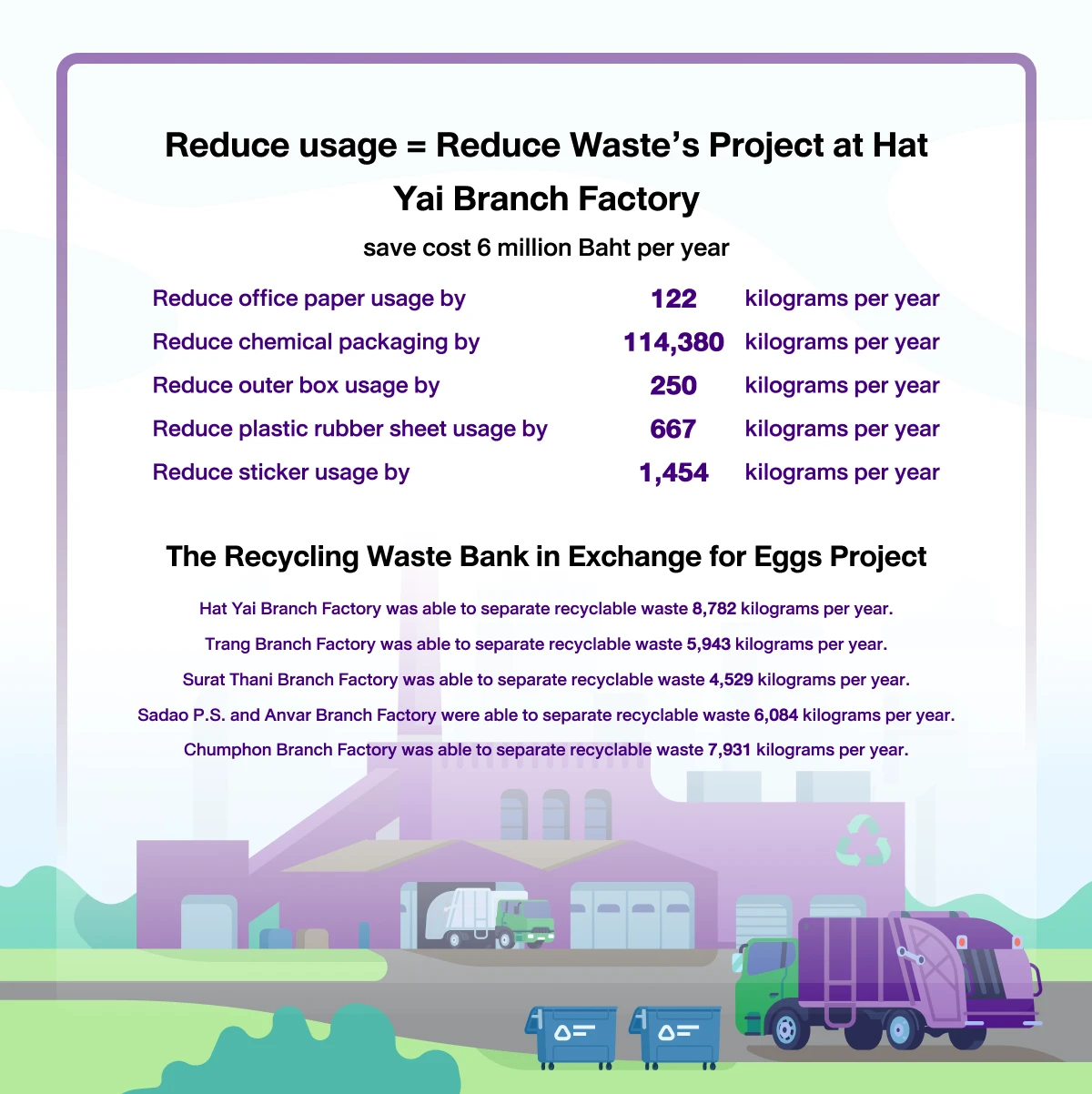
Sample Images from Hat Yai Branch Factory
This project is carried out in cooperation with suppliers of chemical raw materials whereby incoming chemical packaging is modified to reduce hazardous waste from chemical containers.
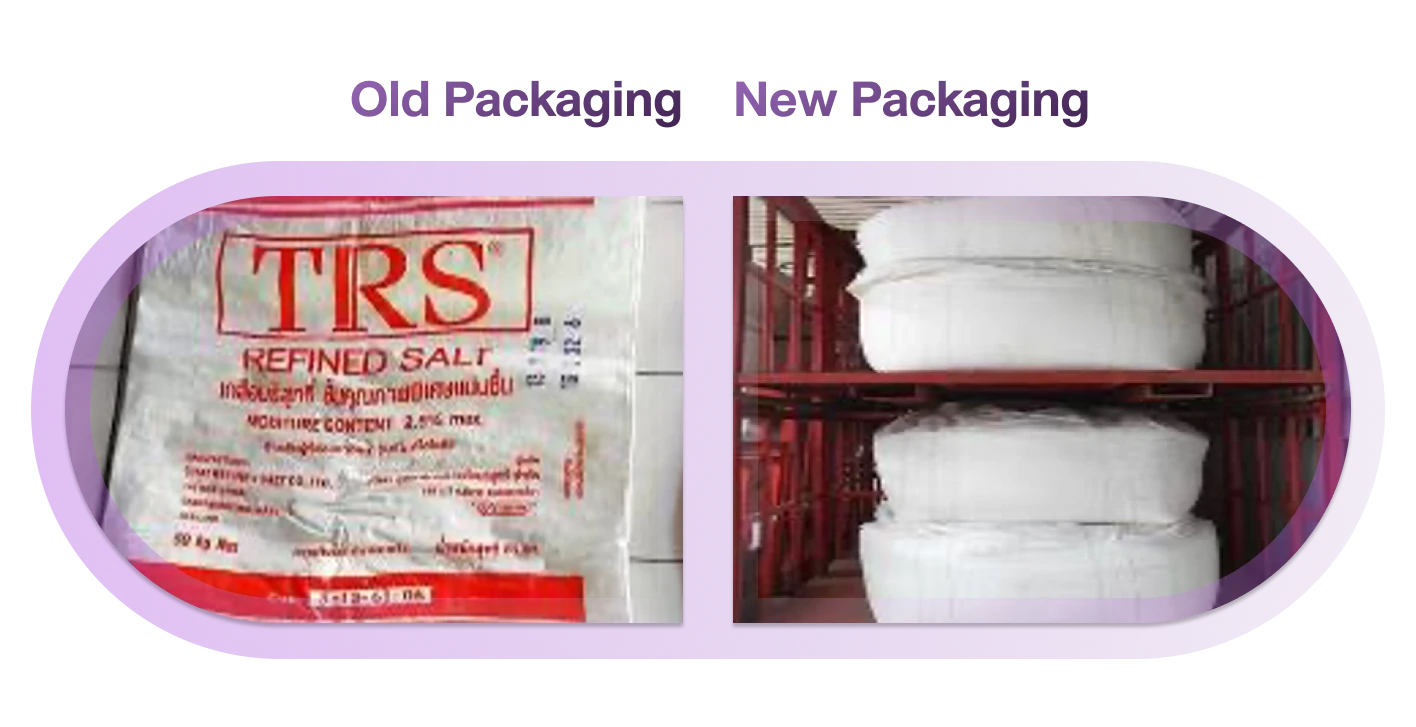
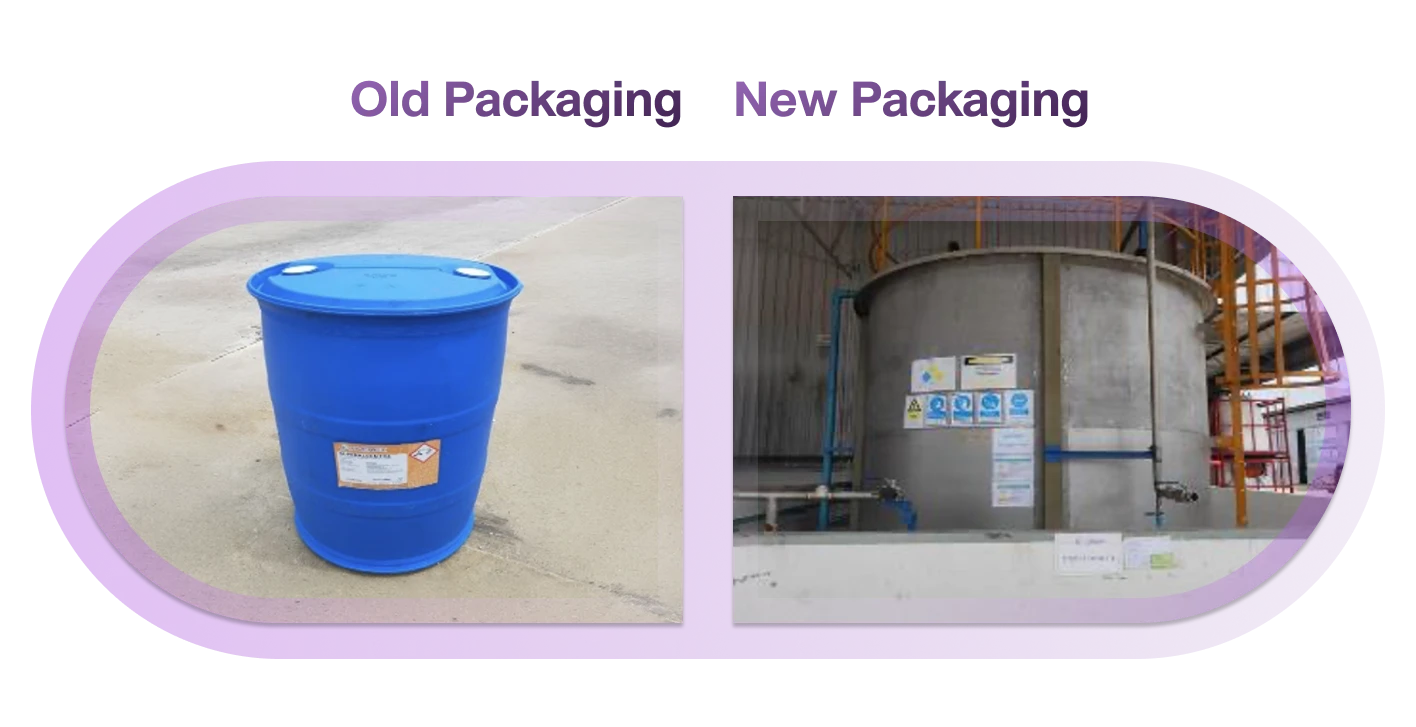
| No. | Issue | Action | FY2021 Reducing of amount of weight of hazardous waste (kg) |
FY2022 Reducing of amount of weight of hazardous waste (kg) |
FY2023 Reducing of amount of weight of hazardous waste (kg) |
FY2024 Reducing of amount of weight of hazardous waste (kg) |
FY2025 Reducing of amount of weight of hazardous waste (kg) |
|---|---|---|---|---|---|---|---|
| 1 | Reduce the amount of hazardous waste in the form of chemical tanks |
Replace the plastic tanks with Tank Cars |
264,833 | 289,290 | 296,021 | 378,797 | 332,939 |
| 2 | Reduce the amount of hazardous waste in the form of sacks |
Replace the sacks with Tank Cars |
17,801 | 16,677 | - | - | - |
| 3 | Reduce the amount of hazardous waste in the form of 1,000 liter bulk tanks |
Replace the 1,000 liter bulk tanks with Tank Cars |
19,197 | 26,919 | 64,863 | 130,579 | 181,798 |
| รวม | 301,831 | 332,886 | 360,884 | 509,376 | 514,737 | ||
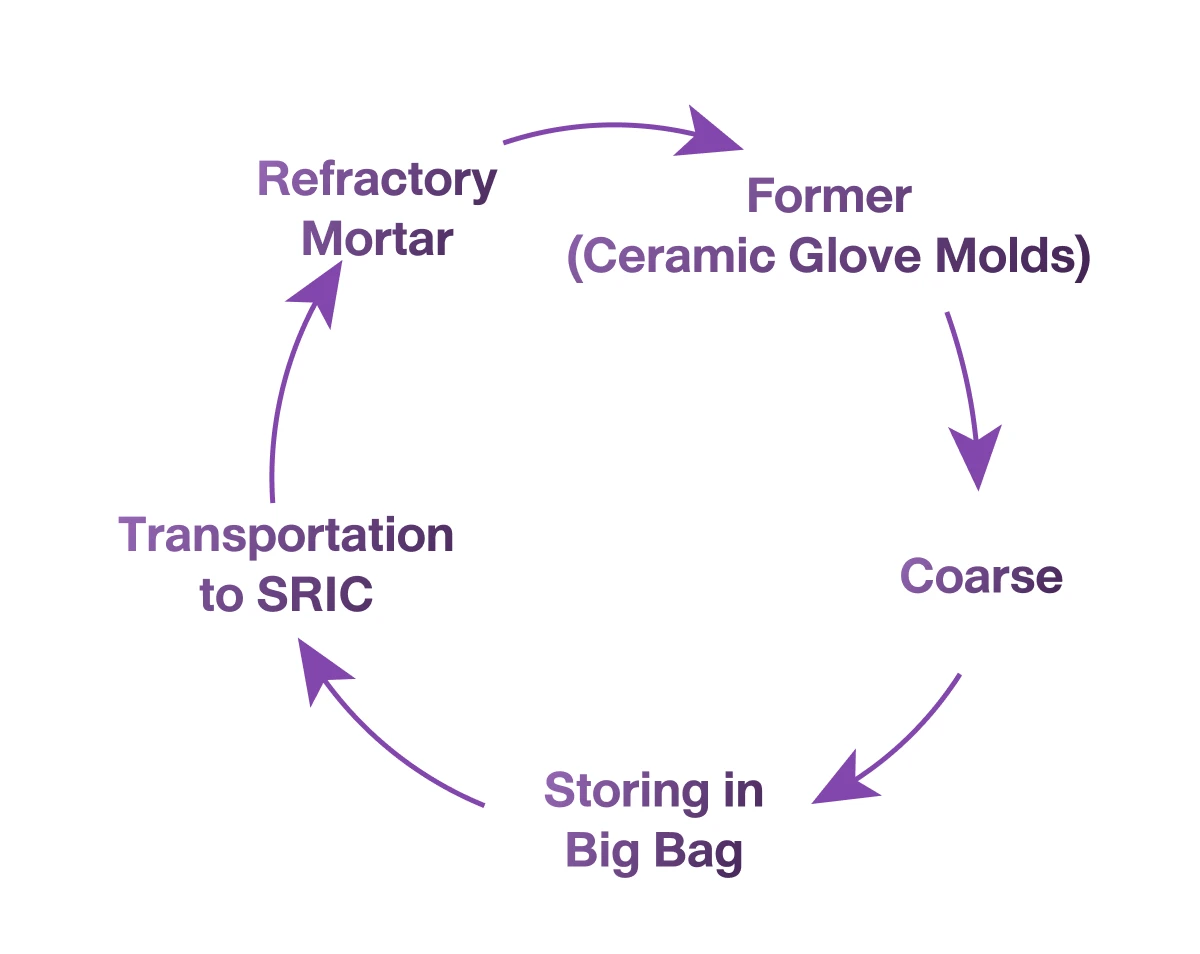
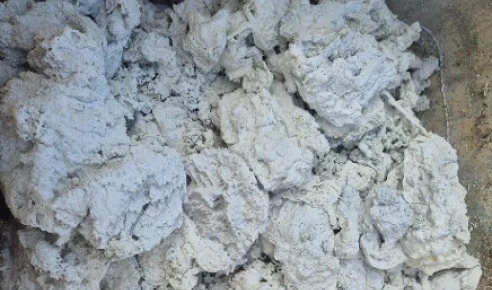
Waste Former to Refractory Project (continuous project since 2022)
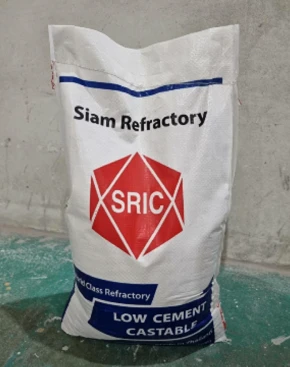
This project is collaboration between STGT and SRIC, a subsidiary of SCG, whereby STGT sends its expired ceramic glove molds to be substituted raw material for the production of SRIC’s refractory mortar.
Total amount of2,088
In the year 2025
The Company was able to reduce landfill waste by 1,660 tons per year
and decrease disposal costs by 3,542,800 Baht per year.


Sri Trang Eco-Coasters Project
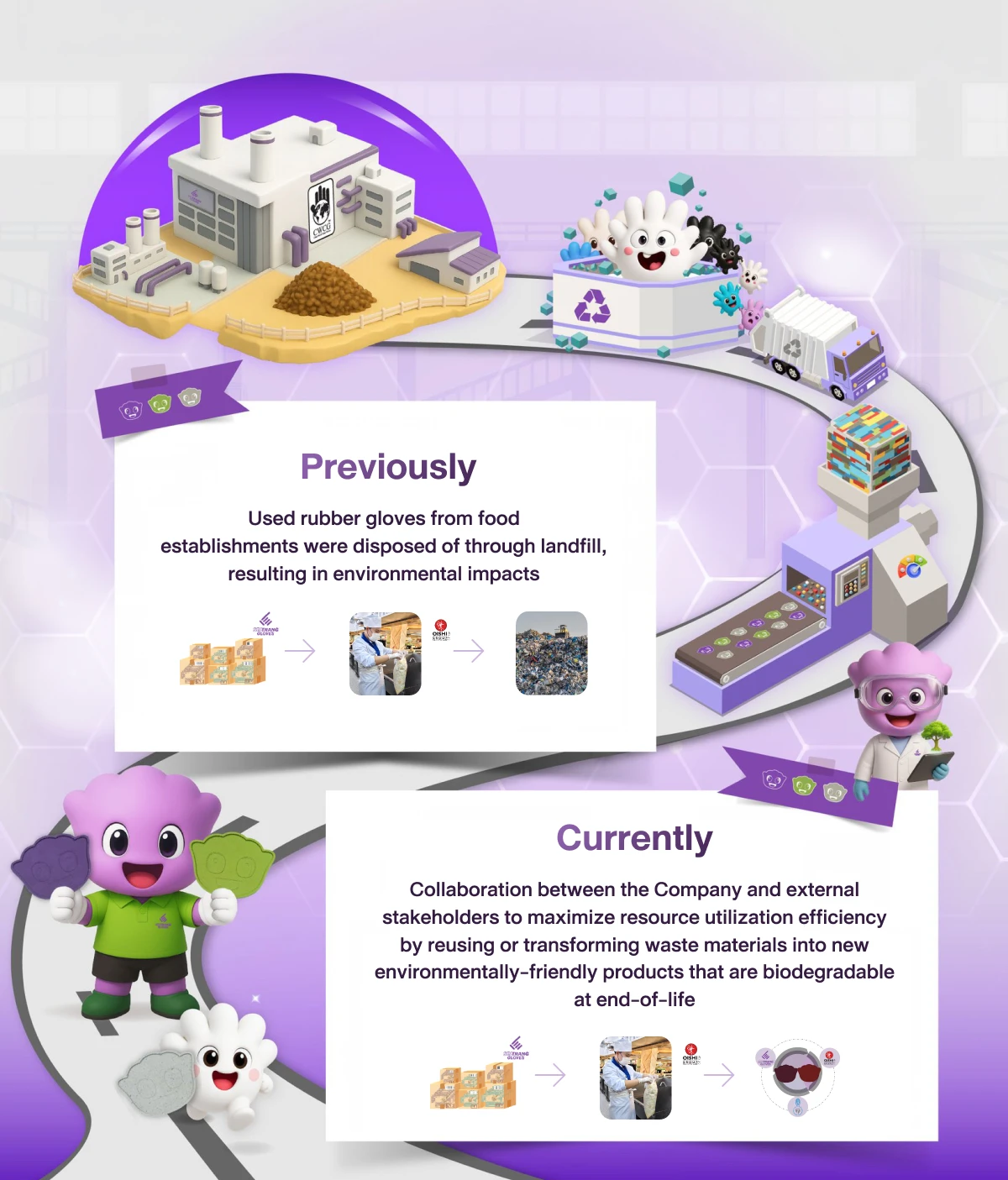
In the year 2025, the Company collaborated academically with Thaksin University and business partners to study and develop research or innovations in waste management and the utilization of unused materials from the production process, aiming to maximize benefits according to the principles of the circular economy. This initiative supports the goal of achieving Zero Waste to Landfill. As part of this effort, the Company has repurposed defective rubber gloves and powder dust from the production process to produce coasters.



Sri Trang Eco-Coasters are made from used rubber gloves and unused materials from the Company’s production process. The focus is on reducing waste disposal and creating value from waste (Waste to Value) according to the principles of the circular economy (CE). Under the sustainability strategy of the Sri Trang Group, we aim to contribute to environmental conservation and create balance for our planet.
Implementing Circular Economy Frameworks to Transform Rubber Scraps from Gloves Production Process into Value-added Resources (Waste to Value) Project
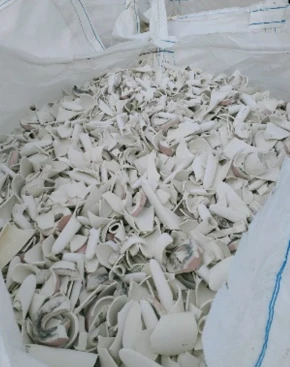
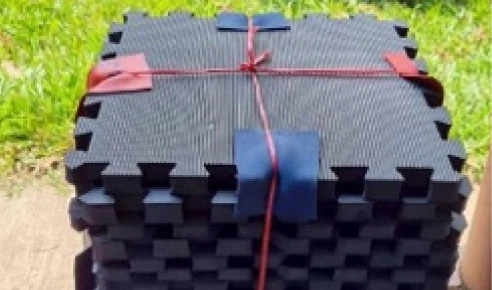
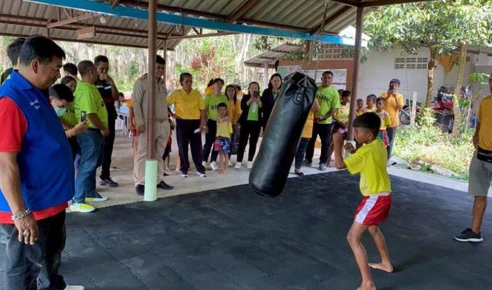
In the year 2025, the Hat Yai branch factory was selected to participate in the Industrial Establishment Development and Enhancement Program for Circular Economy Implementation in Organizations, organized by the Department of Primary Industries and Mines in collaboration with the ISO Certification Institute. The program aimed to study the reuse of waste materials from production processes to maximize benefits according to circular economy principles and support the Zero Waste to Landfill target. Rubber scraps from gloves production process have been utilized as raw materials to produce shock-absorbent foam rubber sheets, which were donated to the Prathan Kheeri Wat community for installation as flooring in their boxing training facility.
|
Expenses for pollution control equipment |
Unit |
Total |
|---|---|---|
|
Wastewater treatment |
million Baht |
33 |
|
Air pollution treatment |
million Baht |
107 |
|
Waste disposal |
million Baht |
39 |
|
The cost of operating the environmental management system |
million Baht |
1 |
|
The cost of environmental measurement |
million Baht |
11 |
|
The cost of maintenance (Annual Preventive Maintenance (PM)) |
million Baht |
23 |
|
Total expenses (from 6 branch factories) |
million Baht |
215 |