
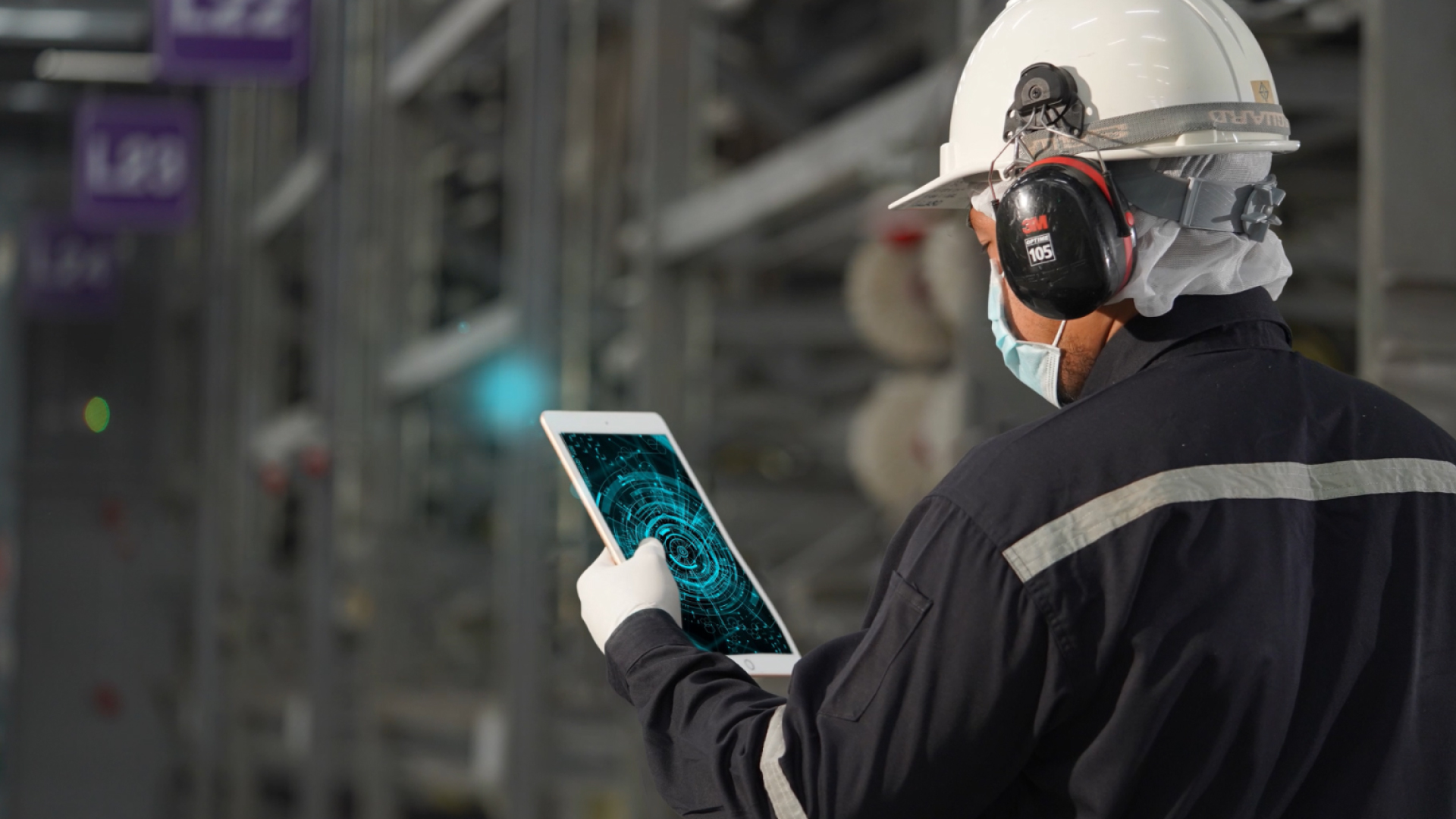
Research Development and Innovation (GRI 3-3)
The Company realizes that the development of research and innovation will allow the Company’s business. To grow steadily and sustainably, it therefore focuses on and supports research and innovation development in the areas of new product development, improving the efficiency of production processes, including energy conservation within the organization to create innovation at the product and work process level. The initiative to do things in new ways is not limited to inventing new types of products only but also includes changes in thinking or improving work processes to create additional value and/or reduce costs and reduce the use of resources in business operations. The goal of innovation is positive change, to affect change for the better. The Company has guidelines for developing research and inventing innovations as follows:
- Examine the various processes of the Company’s business that are currently in operation to determine whether and how they cause risks or have negative impacts on society or the environment as well as conduct further study to find solutions to reduce such impacts. In addition, the Company will undertake detailed studies, research and analysis into the properties of products, including production and work processes covering all relevant aspects to create opportunities for development, improvement, and invention to discover new business innovations
- Unveil innovations discovered that are beneficial to society and the environment to encourage other businesses and entrepreneurs to follow suit to strengthen and scale up such results of caring for society and the environment
- Analyze solutions as well as continually and regularly develop existing innovations, thereby creating an opportunity to invent new things to respond to customer needs and achieve sustainable business growth
Target
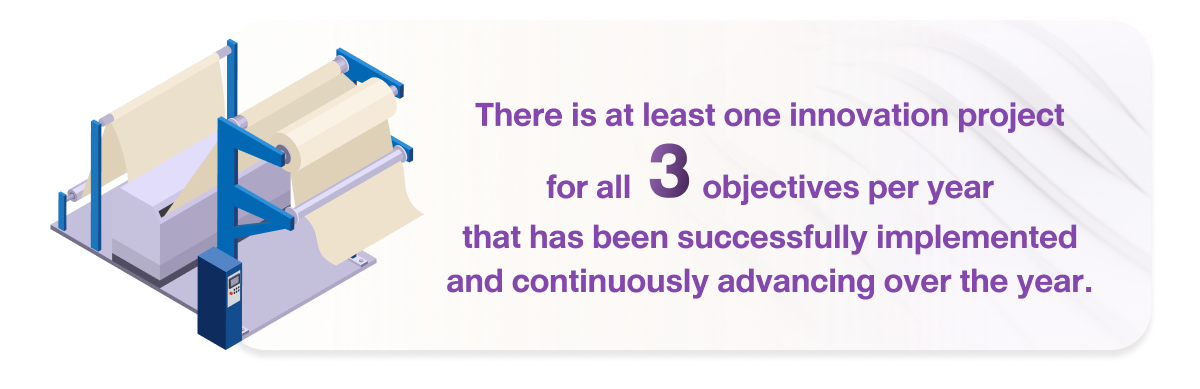
Performance of FY2025
Research Development and Innovation Projects of FY2025 has the main objectives and goals of research and development as follows:
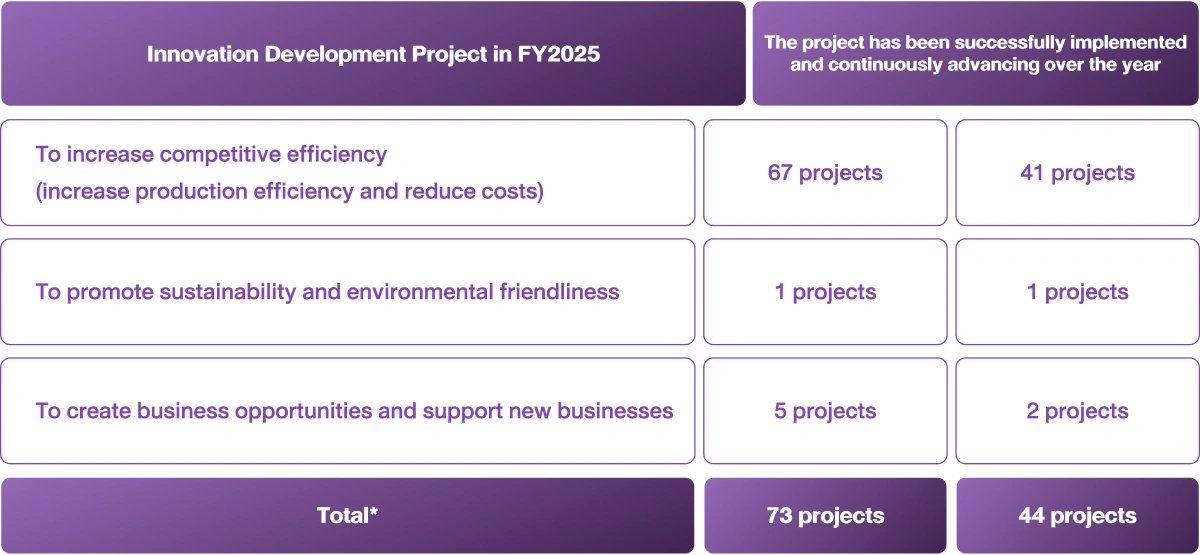
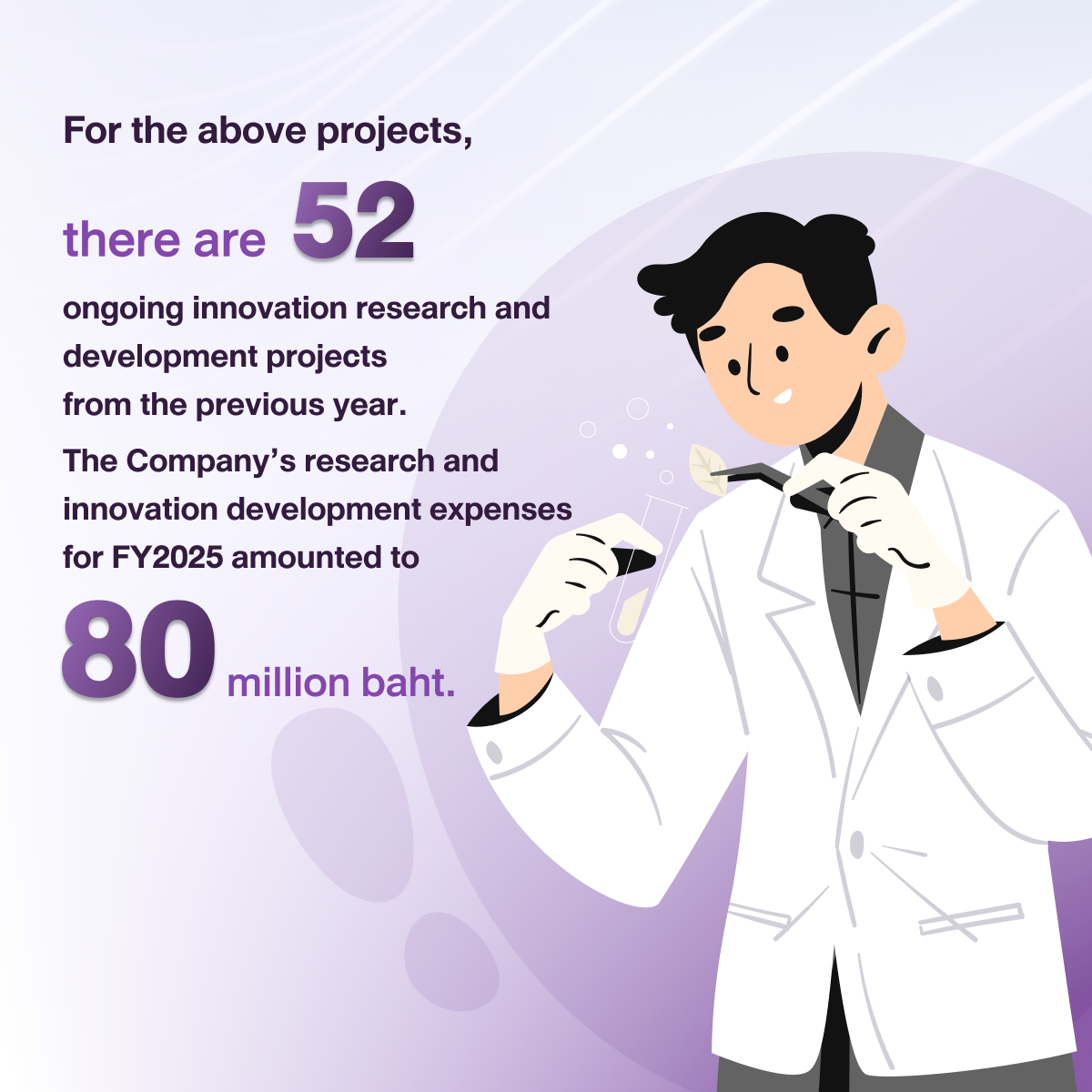
Examples of innovation research and development projects
Product related projects
To meet the needs of consumers or users of rubber gloves who have markedly increased as a result of the higher demand of using gloves in various types of work, as well as the Company having to maintain its leadership in the rubber glove industry and operate the business to grow sustainably according to the concept of “Clean World Clean Gloves, environmentally friendly gloves that are safe for consumers”, while at the same time adding value to the product. The Company has developed and innovated products manufactured from natural rubber through environmentally friendly production processes. Notable examples include Latex Powder-Free gloves produced using Online Polymer Coating technology, a chlorine-free process that eliminates chlorine residue in gloves. This advancement reduces the risk of skin irritation for users while minimizing environmental impact and elevating product quality standards to meet international benchmarks.
Furthermore, the Company has expanded its Specialty Gloves product portfolio to comprehensively address diverse consumer needs. Currently, the Company offers over 71 product variants, including Surgical Gloves, Diamond Texture Nitrile Gloves for industrial customers, Double Chlorination Natural Rubber Gloves, Online Polymer Coated Natural Rubber Gloves, and Long Cuff Natural Rubber Gloves, among others.
In the year 2025, the Company continued to develop and enhance existing products to better align with user requirements. Key developments include improved Surgical Gloves designed to facilitate easier double-gloving for medical personnel; enhanced Double Chlorination Natural Rubber Gloves; Nitrile Gloves with reduced zinc residue; Diamond Texture Nitrile Gloves specifically engineered for industrial applications; and Long Cuff Latex Powder-Free Gloves to enhance user safety during operation.
In the year 2025, the Company continued to develop and enhance existing products to better align with user requirements. Key developments include improved Surgical Gloves designed to facilitate easier double-gloving for medical personnel; enhanced Double Chlorination Natural Rubber Gloves; Nitrile Gloves with reduced zinc residue; Diamond Texture Nitrile Gloves specifically engineered for industrial applications; and Long Cuff Latex Powder-Free Gloves to enhance user safety during operation.
Projects Related to Automation Systems
The Company maintains strategic investments in knowledge acquisition and technology deployment, advancing organizational capabilities through comprehensive Automation and Digitalization initiatives. These technology-driven transformations are systematically implemented to enhance organizational productivity, optimize operational efficiency, maximize utilization of constrained resources, reduce labor intensity, minimize production costs, facilitate enhanced data accessibility for expedited decision-making protocols, and strengthen competitive market positioning.
Strategic Technology Implementation Portfolio:
Gloves Defect Detection System: The Company has deployed an advanced quality assurance system integrating Vision Camera technology with Artificial Intelligence Vision Deep Learning algorithms. This automated system performs real-time detection and segregation of gloves exhibiting manufacturing defects or quality standard non-conformances throughout the production process. System implementation has yielded productivity enhancements of up to 50%, representing significant operational efficiency gains while maintaining stringent quality standards.
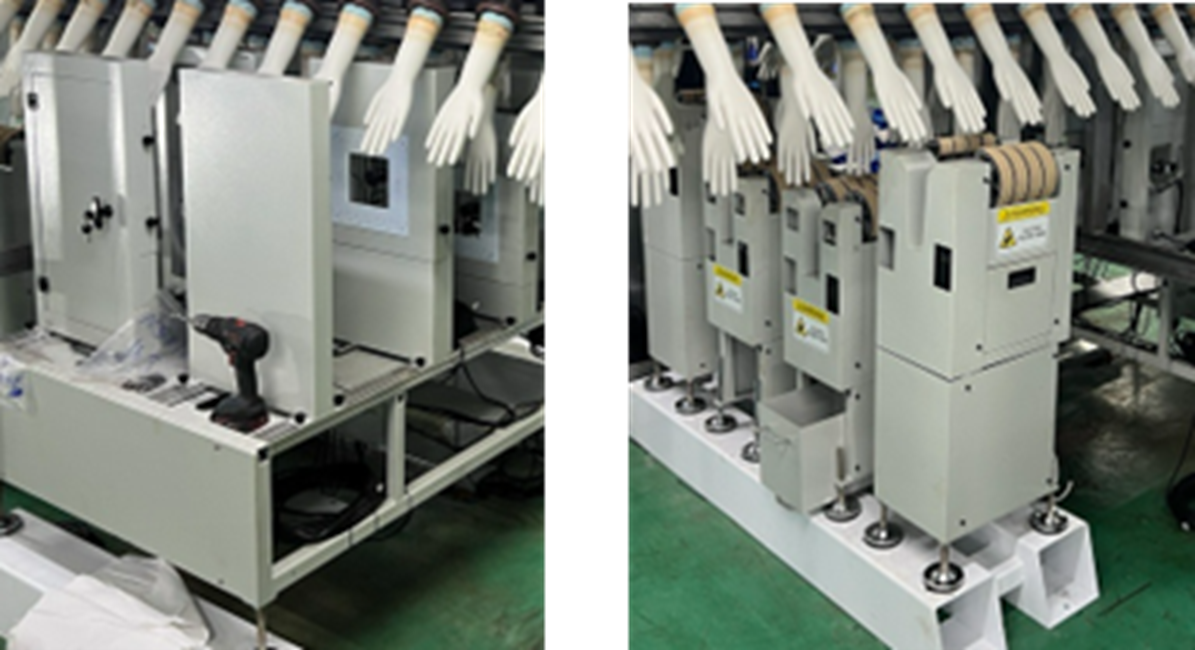
Gloves Defect Detection System: The Company has deployed an advanced quality assurance system integrating Vision Camera technology with Artificial Intelligence Vision Deep Learning algorithms. This automated system performs real-time detection and segregation of gloves exhibiting manufacturing defects or quality standard non-conformances throughout the production process. System implementation has yielded productivity enhancements of up to 50%, representing significant operational efficiency gains while maintaining stringent quality standards.
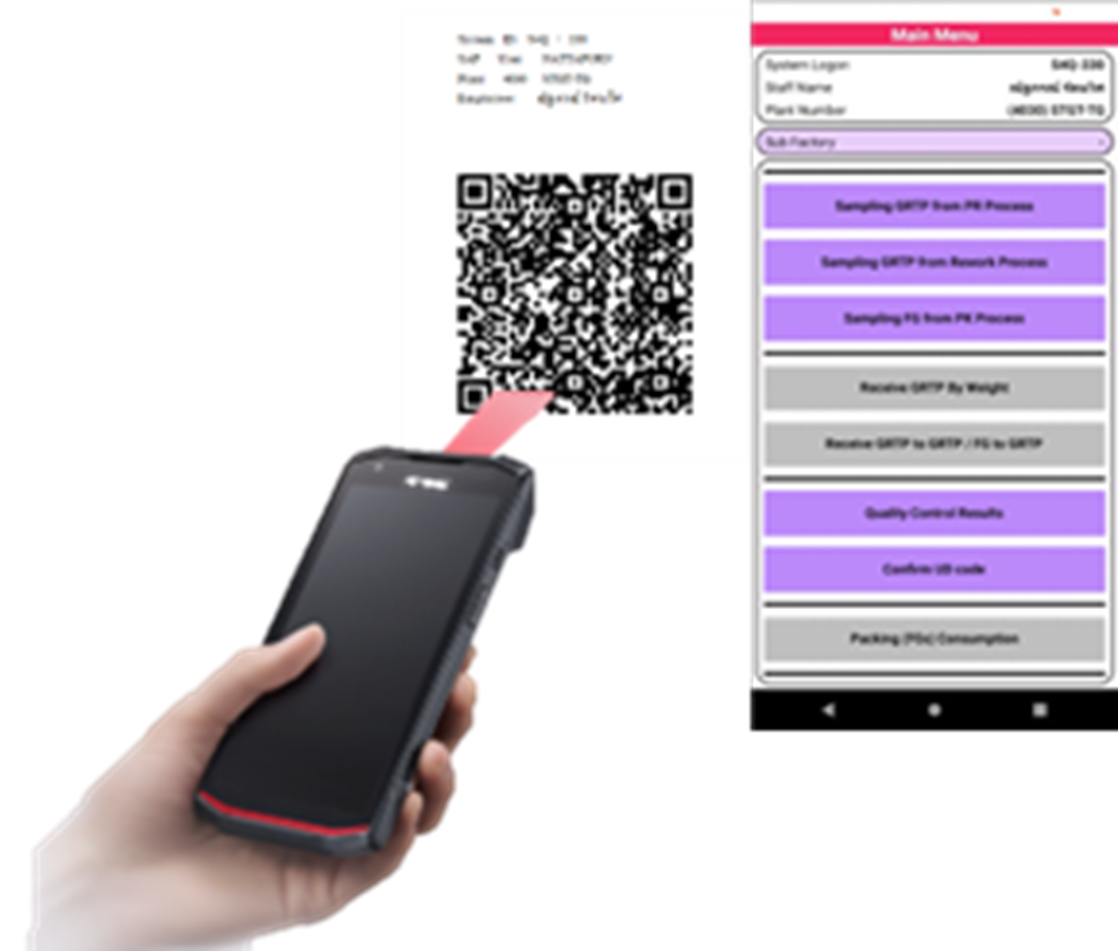
Smart Energy Management System: The Company has developed a comprehensive Dashboard Monitoring System integrated with distributed sensor infrastructure to capture and monitor energy consumption data with real-time visibility and 99% data accuracy. This intelligent energy management platform provides decision-makers with immediate access to actionable insights, enabling rapid, data-driven optimization of energy utilization patterns and supporting the Company’s broader sustainability commitments regarding resource efficiency and environmental stewardship.
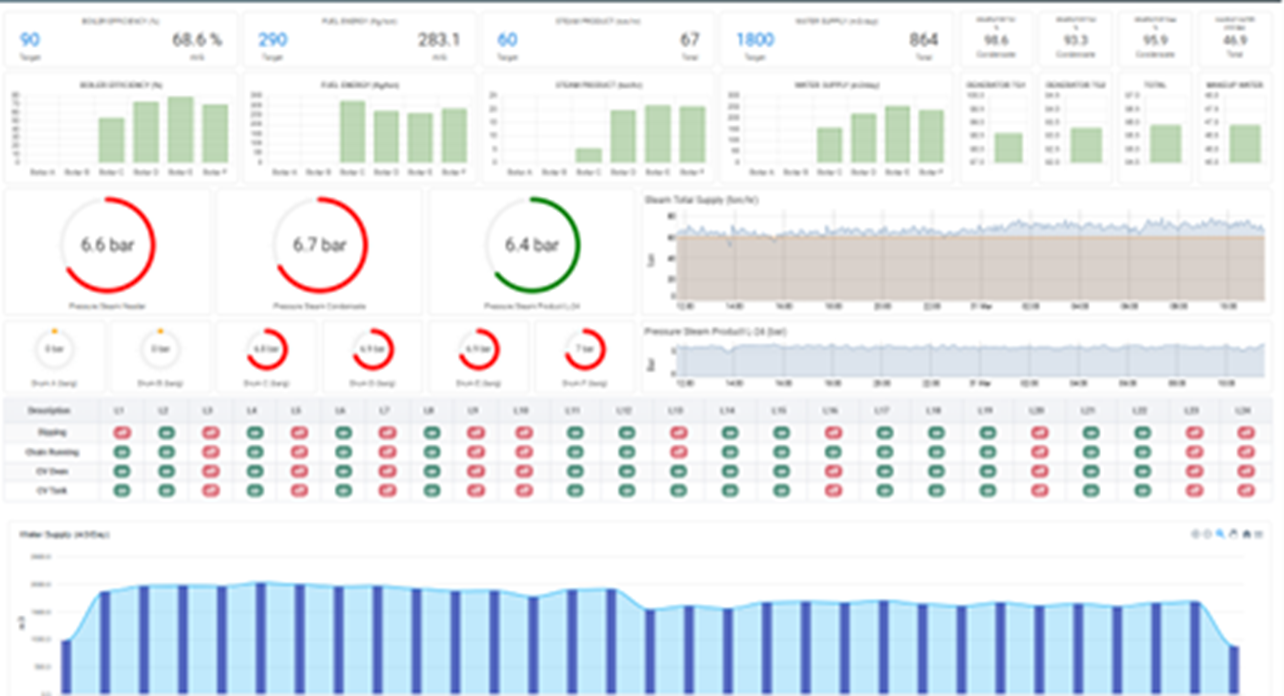
These technology initiatives collectively demonstrate the Company’s commitment to operational excellence through innovation, supporting enhanced productivity, resource optimization, and sustainable business practices aligned with stakeholder expectations and long-term value creation objectives.
Projects that Help Promote the Environment
The Company is committed to pursuing business growth in parallel with sustainable environmental stewardship. As such, we place significant emphasis on the continuous development and implementation of innovations throughout our operational processes to align with our organizational environmental objectives.
One of our key initiatives is the reduction of chemical usage in manufacturing processes. The Company has enhanced its nitrile glove production process by reducing chlorine consumption during manufacturing. This improvement decreases the release of hazardous chemicals into the environment, minimizes ecosystem impact, and further promotes environmentally friendly production practices.
The implementation of such initiatives not only mitigates environmental impact but also reflects the Company's commitment to conducting business with social and environmental responsibility, while supporting the organization's robust and sustainable long-term growth.
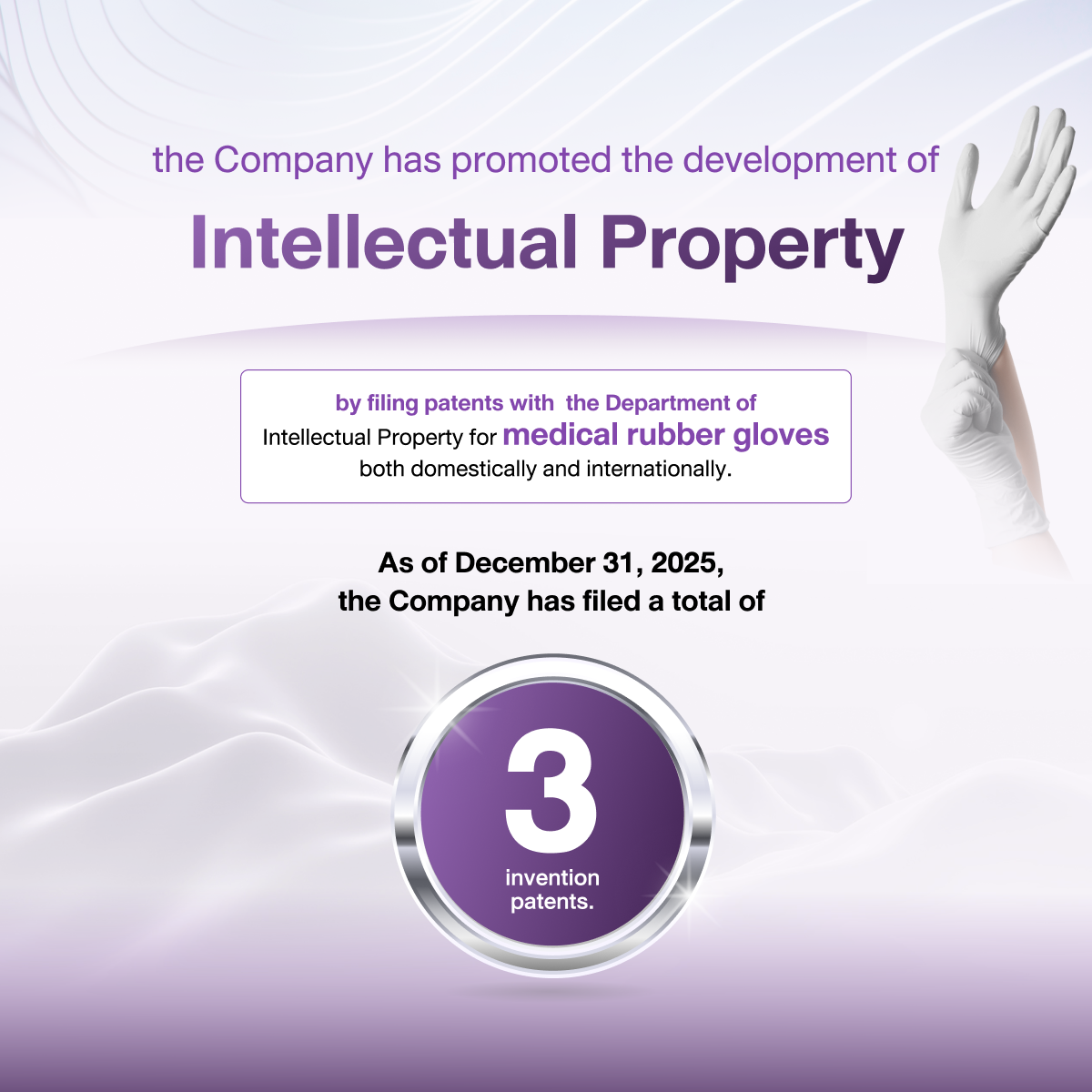
Additionally, the Company has promoted the development of intellectual property by filing patents with the Department of Intellectual Property for medical rubber gloves both domestically and internationally. As of December 31, 2025, the Company has filed a total of 3 invention patents.
Artificial Intelligence
Driving the Organization with Digitalization and Artificial Intelligence
Sri Trang Group continuously develops digital technologies and data management systems to enhance operational efficiency and strengthen readiness for enterprise-level adoption of Artificial Intelligence (AI). Sri Trang Group prioritizes building robust data infrastructure, establishing governance frameworks and developing workforce capabilities to adapt to technological changes and evolving business directions, enabling all units to respond effectively to emerging challenges.
Digital and Data Infrastructure to Drive AI
Over the past decade, Sri Trang Group has consistently advanced its data and digital infrastructure across more than 35 major factories, enabling seamless data integration and effective application of innovations. Sri Trang Group has implemented interconnected data systems across all business units and factories to ensure interoperability and improve data quality, accuracy, and reliability.
Next step is the foundation which supports collaborative data usage and facilitates the digitalization and automation of processes to reduce redundancies and optimize workflows. AI technologies are applied in suitable areas such as document processing, production optimization and data analytics, resulting in agile operations, enhanced decision-making accuracy and readiness for AI-driven competitiveness and sustainable growth.
Key AI Applications
- learning to improve product quality, reduce errors, and enhance production efficiency.
- Document Intelligence use of Optical Character Recognition (OCR), Natural Language Processing, and summarization tools to digitize paper documents, analyze content, and extract actionable insights.
- Administrative Intelligence is the AI tools to manage meeting data, summarize key points, and organize information for decision-making.
These initiatives are overseen by Mr. Veerasith Sinchareonkul, CEO, with leadership from Mr. Rattapong Laparojsak, Chief Artificial Intelligence Officer (CAIO), and the Integrated Technology Team, comprising experts in IT (Information Technology), OT (Operational Technology) and AI (Artificial Intelligence) is primarily responsible for supporting, developing, operating, and integrating technology systems to ensure they move in the same direction and operate efficiently.
Data & AI Governance
Sri Trang Group has announced a Data Governance Policy and AI Governance Guideline across all subsidiaries to establish standards for the correct, secure, and legally compliant use of data and AI within the organization. The policy emphasizes the following key areas:
- Data classification
- Access rights management
- Usage monitoring
- Data security
- Data lifecycle management
- Responsible AI practices
- Personal data protection
- Compliance with relevant laws
AI Talent & Workforce Readiness
The Company continuously promotes employee upskilling to enable effective collaboration with digital technologies and AI through two main initiatives:
AI Clinic (AI Sharing & Consultation Program)
This weekly program provides opportunities for employees from various departments to present challenges, share methods of applying AI in their work, and receive guidance from the technology team. The goal is to support individuals in improving their work processes through AI implementation.
The 2025 survey found that over 89.00% of white-collar employees share AI knowledge with others, and employees continuously exchange experiences, reflecting the establishment of a learning network.
AI Knowledge Sharing
Most Mgmt actively encourage AI use (89%), while WC mainly share experiences (73%). BC shows limited engagement, with 97% having no intent to share or promote AI use.
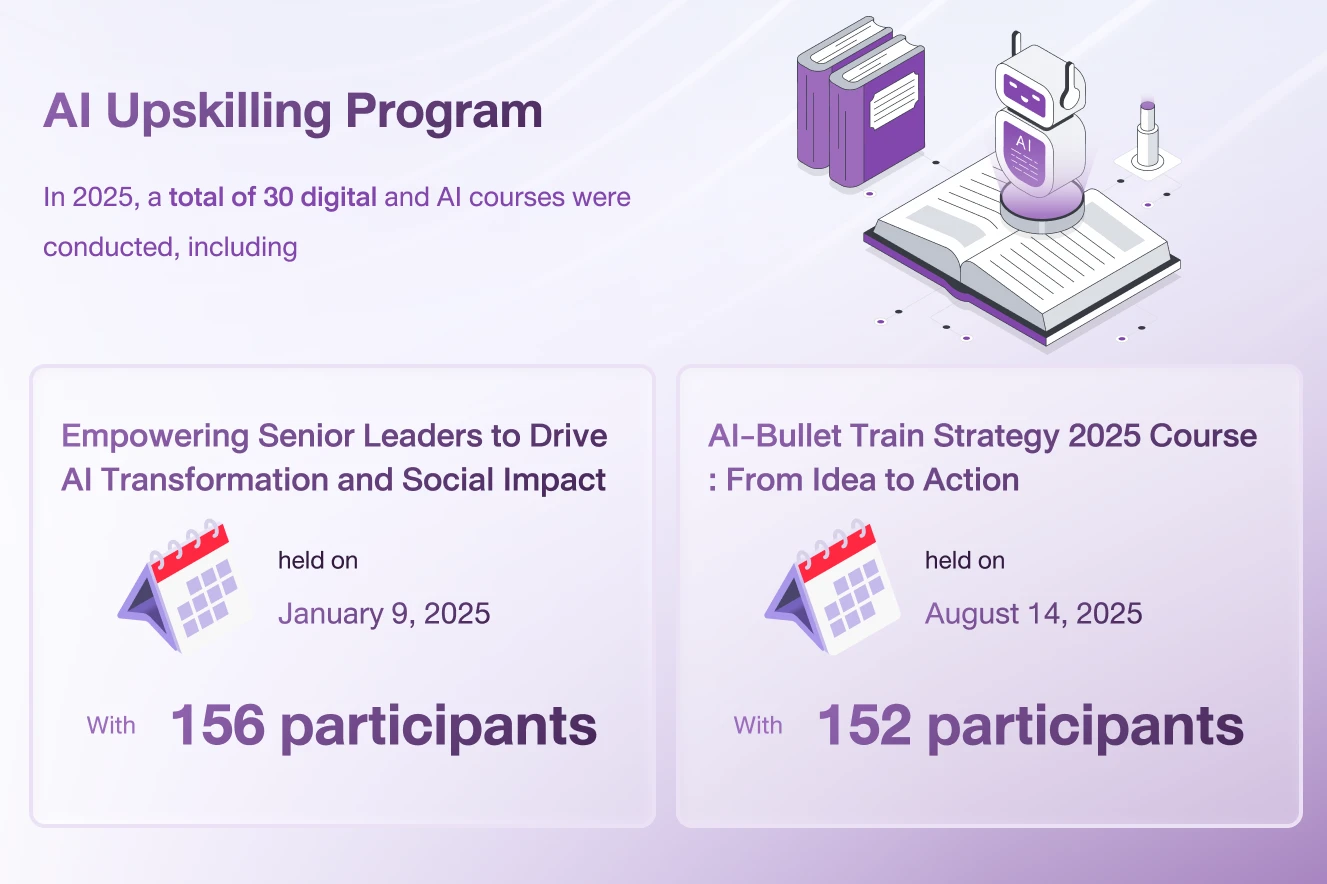
These training courses covered the following topics:
- Basic AI usage
- Data management and analytics skills
- Automation and workflow design
- Data & AI Governance guidelines
According to the "Learning Needed" survey, most employees expressed interest in further development in three areas:
- Basic AI skills
- AI application in work processes, such as OCR, RPA, and Workflow
- Data usage and Dashboard creation (Power BI & Analytics)
Despite ongoing training, the organization continues to regularly survey learning needs to develop courses that align with actual work requirements and evolving technologies.
Business and Stakeholder Benefits from Digital Tools & AI Implementation
The Company’s deployment of Digital Tools and AI focuses on creating business value alongside sustainable growth, encompassing operational dimensions, organizational development, and responsible risk management to deliver genuine benefits to the organization and all stakeholder groups.
Technology integration supports efficient and sustainable organizational growth through three main dimensions:
- Run Better: Enhancing Operational Excellence: Technology helps streamline work processes to be faster, more accurate, and more systematic, directly impacting operational efficiency and costs:
- Reducing redundancies and errors: Automation systems reduce the burden of paperwork and manual data entry, ensuring consistent and accurate work processes while enabling employees to focus on higher-value tasks.
- Stable production and operations: Technology-enabled data analysis and predictive maintenance alerts help reduce risks from production disruptions and support efficient cost management.
- Data-driven decision-making: Management can monitor situations and operational results through data dashboards that provide real-time insights, enabling clear business decisions and appropriate responses to situations.
- Build Better: Accelerating Development and Adaptation (Innovation Velocity): Data and technology accelerate business development and improvement processes, enabling the organization to innovate and respond to changes with agility.
- Reducing development risks: Digital modeling and simulations allow testing of new product or process feasibility before actual investment, reducing time and budget risks.
- Understanding market needs: Data analysis provides clear visibility into market trends and customer demands, leading to more precise improvements in products, services, and processes.
- Work Smarter: Empowering Personnel and Building Confidence (Organizational Enablement): Preparing the workforce alongside responsible AI governance forms the critical foundation for long-term sustainable growth:
- Employee upskilling: The Company promotes digital skills development (upskilling) and understanding of working with AI to prepare for the future of work.
- Agile operations: Employees have tools to help analyze, summarize, and support their work, enabling convenient, fast, and efficient performance while fostering engagement and pride in being part of a progressive organization.
- Confidence and governance: The Company emphasizes comprehensive AI governance, with AI governance assessment scores at a good level (average score of 3.70), reflecting robust risk management in data security, regulatory compliance, and ethical technology use, which helps build trust among all stakeholders.