Human Capital Development
Policy on Human Resource Development
The Company places great importance on the development of its personnel, who are considered the most valuable resource of the organization. Continuous development is provided in terms of knowledge, abilities, and skills necessary for current and future job performance. This includes specialized knowledge in areas such as production, engineering, and various technologies. The development methods are modern and comply with legal requirements and regulations of various agencies. Training focuses on online formats, the use of video media, and self-service learning to adapt to the digital age. It also instills good awareness and behavior in the green rubber industry by using systems to record and store training histories, reducing paper usage
The Human Resources Department, Training Division of the Sri Trang Group, is responsible for developing the potential of employees within the organization to achieve business excellence and sustainability, while also fostering good and talented individuals for society. The approach to personnel development is as follows (GRI 404-2)
- Self-learning and knowledge review are facilitated through the information system (@Core), providing employees with consistent access to study and review materials, as well as assessments to measure learning outcomes.
- Training according to legal requirements the training aims to ensure employee safety at work, focusing on instilling safety behavior awareness and relevant laws. This includes courses such as confined space training, crane operation training, and proper and safe forklift driving. It also covers safety officers at various levels and the Occupational Safety, Health, and Environment Committee (OSHEC), among others.
- Training for successors of key positions the training aims to develop the potential of employees to be ready for key positions.
- Training on essential knowledge for skill development the training aims to develop work skills, leadership, and management skills necessary for effective management, in line with the Company’s policies and vision. This includes expertise in using technology during the COVID era and enhancing professional skills. The goal is to ensure current work is performed efficiently and to promote the development of employees’ potential for future work capabilities.
This is done according to the guidelines that the Company deems beneficial to the Company. - Orientation Training for New Employees on Corporate Governance. The training is provided to all new employees and includes topics such as corporate governance policies, business ethics, anti-corruption policies, complaint handling policies, conflict of interest prevention policies, and related practices.
- Corporate governance training course, the training aims to ensure that all employees in the organization have a thorough understanding of conducting business under good corporate governance. Employees will be able to comply correctly with corporate governance policies and business ethics.
This includes anti-corruption practices, handling complaints, preventing conflicts of interest, and appropriately using internal information. The training and review sessions are conducted at least once a year, during the fourth quarter of each year. - Promoting Internal Learning “STA Share & Learn” The Company believes in the specialized knowledge within the Sri Trang Group. By creating internal trainers with expertise, the Company aims to impart knowledge and share experiences through various activities to harness the potential of employees. These internal trainers come from diverse fields, such as quality system trainers, environmental and safety system trainers, crane trainers, and forklift trainers, among others.
- Employee knowledge and skill development through activity development. The development of employee knowledge and skills is facilitated through activity development programs such as 5S, Quality Control Circle (QCC), Kaizen, and One Point Lesson (OPL). These activities encourage employees to take responsibility for continuous improvement and development of their work, which helps reduce production costs and streamline work processes.
This is achieved by leveraging their knowledge, work skills, and modern technology to improve their tasks. - The Sri Trang Culture (STA Culture) aims to instill attitudes and work practices according to the core values of the organization (STA Core Value) for new generations joining the Sri Trang Group. It also fosters good relationships among new employees from different locations and cultures through shared activities.
- The Company promotes employees to study various businesses within the Sri Trang Group, as well as other domestic and international businesses.
This aims to enhance their experience, bring creative ideas to develop their responsibilities, and exchange opinions with other departments. - Creating a platform to showcase organizational achievements through “Activity Prize” and “STA Champion” allows employees to participate in presenting their work and abilities, fostering pride and mutual exchange of ideas. This serves as a shortcut for further development and expansion. Importantly,
it trains personnel to learn the ways of becoming and maintaining champions, which requires continuous improvement of work methods.
The Company conducts an annual survey to assess the training and skill development needs of employees. This survey is conducted through the highest-ranking supervisors of each department, along with evaluations from employee performance reviews. The results are used to create an annual training and development plan. The Company continuously provides training and development for employees at all levels, utilizing both internal and external trainers through various methods such as in-house training, on-the-job training, self-learning, counseling, mentoring, activities, special projects, off-site training organized by external agencies, and site visits to leading companies, partners, and companies within the Sri Trang Group. This is to prepare and support employees for increased competition and continuous changes in various aspects.
Performance
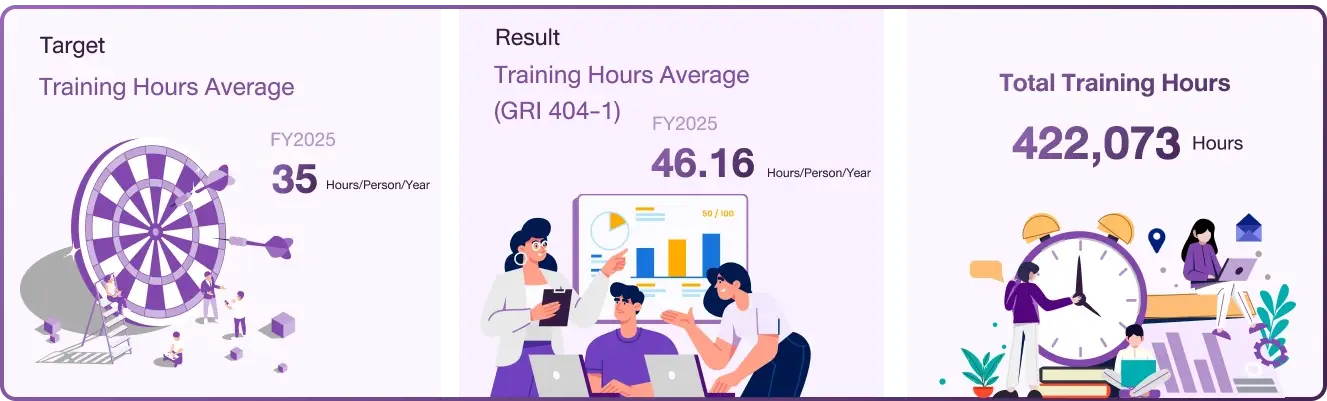
by gender
(Unit: Hours)by age
(Unit: Hours)by level
(Unit: Hours)by skill
(Unit: Hours)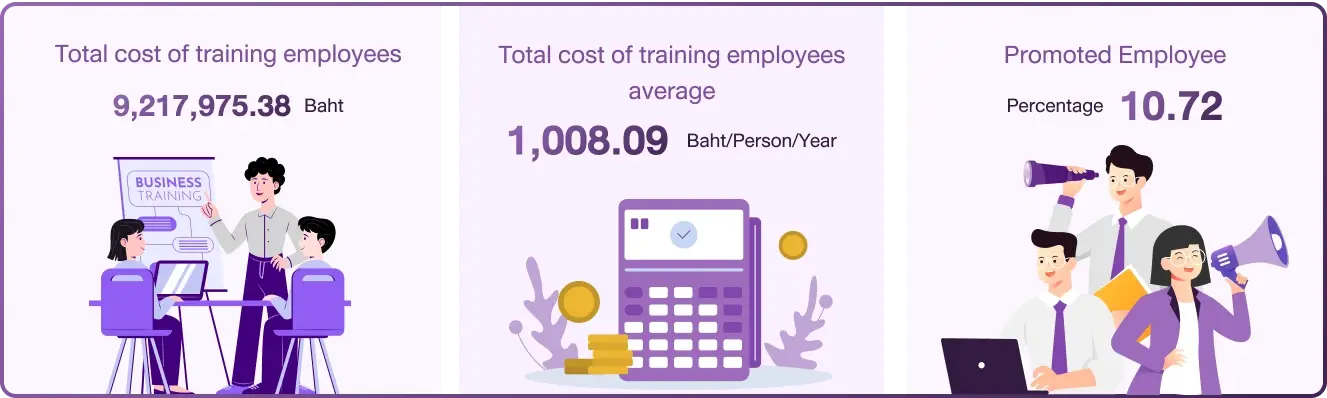
Since the year 2024, the adjustment in the format of training hour counting, the Human Resources department has communicated this to all branches. This communication aims to ensure consistency in recording training data.
Since the year 2024, the adjustment in the format of training hour counting, the Human Resources department has communicated this to all branches. This communication aims to ensure consistency in recording training data.
In addition, the Company has created a project to continuously develop the potential of employees in accordance with the results of employee’s performance-based evaluation, whereby a variety of human resource management projects are implemented to cover the development of employees’ knowledge, abilities and potential. through academic training and workshop programs.
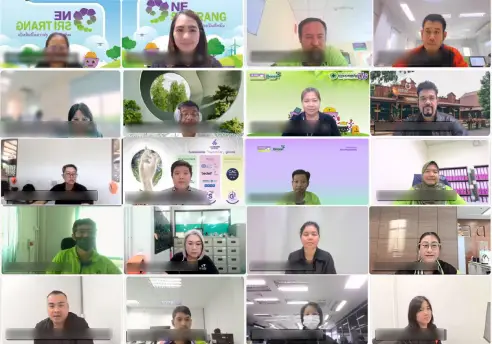
Employee Training and Skills Development Project
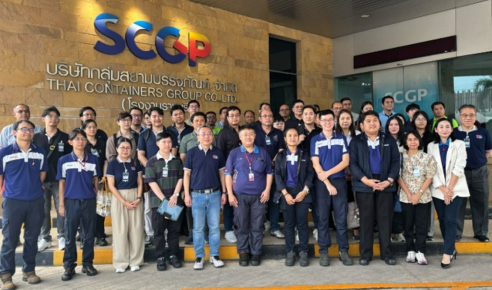
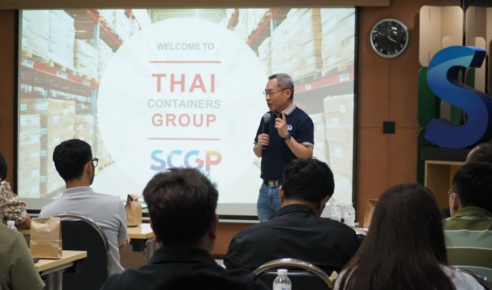
DIGITAL TRANSFORMATION (DX): The Path to Organizational Excellence

Background and Significance
In the current era, the world is experiencing rapid and comprehensive transformation into the digital age. Digital technology has come to play a vital role in how work is conducted. These changes require the Company to adapt and develop its capabilities in alignment with the digital age context by applying digital technology to systematically elevate organizational operations. For this reason, the Company has developed DIGITAL TRANSFORMATION (DX): The Path to Organizational Excellence as a primary tool to enhance efficiency, drive innovation, and strengthen competitive capabilities.

Project Goals and Expected Outcomes
Training will be provided to executives and employees to:
- Develop a Digital Mindset
- Learn, understand, and build Digital Literacy and Digital Skills
- Understand the Digital Transformation Framework
- Be able to define appropriate Digital Transformation Strategies, action plans, and budgets that provide value for investment
- Integrate and link data management systems to ensure accuracy, completeness, currency, and security

Benefits for Employees
Employees will gain knowledge, skills, and approaches for applying digital technology in their work to increase efficiency and prepare for changes in the digital age.

Benefits for the Company
The Company will be able to formulate strategies and execute digital transformation effectively, enhance competitive capabilities, and support sustainable development.

Number of Project Participants
13 people (executive level, such as Chief Financial Officer (CFO) and Branch Factory Managers)
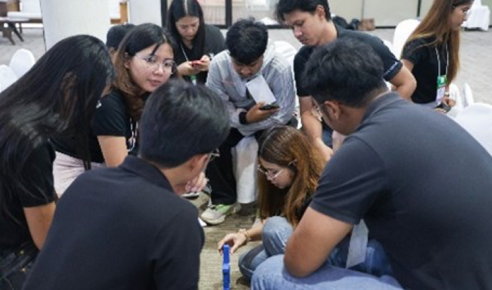
STGT Young Blood Program: New Employee Potential Development (Group 1 and 2)

Background and Significance
The Company aims to develop the potential of new employees who have just completed their probationary period and have no more than 1 year of service, to ensure they have a clear understanding of STGT’s roles, mission, Core Values, and organizational culture. This serves as a guideline for efficient work performance aligned with the Company’s goals. In an era where work requires collaboration and rapid adaptation, building Collaboration and Soft Skills such as communication, teamwork, and positive thinking is essential for new employees. This program is therefore designed to include both theoretical learning and practical activities (Workshop, Group Discussion, Role Play, and Team Building) to strengthen organizational commitment and create a harmonious work atmosphere, while preparing employees to grow steadily with the organization.

Project Goals and Expected Outcomes
Training is provided to enable employees to:
- Have knowledge and understanding of STGT’s roles, mission, Core Values, and organizational culture to use as
a framework for efficient work performance - Recognize and understand the organizational structure, executives, and interconnected work systems
- Build collaboration skills and Soft Skills necessary for new employees
- Acquire knowledge, skills, and techniques in the process of building organizational commitment and apply them creatively

Benefits for Employees
Employees will gain knowledge and understanding of STGT’s roles, mission, values, and organizational culture, along with essential collaboration and Soft Skills through Workshop and Team Building activities. These help strengthen communication, coordination, and adaptation skills, enabling employees to have a positive attitude, organizational commitment, and readiness to grow steadily in their careers.

Benefits for the Company
Employees will gain knowledge and understanding of STGT’s roles, mission, values, and organizational culture, along with essential collaboration and Soft Skills through Workshop and Team Building activities. These help strengthen communication, coordination, and adaptation skills, enabling employees to have a positive attitude, organizational commitment, and readiness to grow steadily in their careers.

Number of Project Participants
Group 1: 58 people and Group 2: 63 people, totaling 121 people
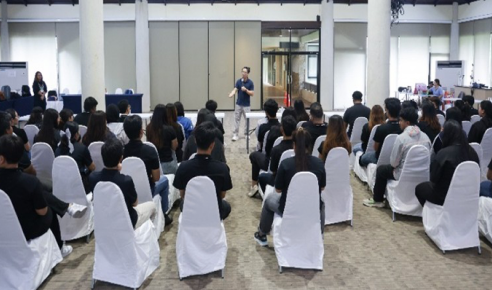
Leadership and Effective Team Management for Supervisors Program, Generation 2

Background and Significance
Teamwork is essential for developing work quality and organizational quality. However, when it comes to teamwork, some people view it as easy, while others see it as difficult. This is due to factors such as individual backgrounds, knowledge, capabilities, expertise, personality traits, and attitudes of each person. These elements can become significant obstacles to good teamwork. This program is designed to help participants understand both the concepts and methods, as well as gain perspective on effective teamwork, which will ultimately impact the quality of work and the organization as a whole.

Project Goals and Expected Outcomes
Training is provided to enable executives and employees to:
- Inspire and enhance knowledge, tools, and leadership skills for the Company’s senior managers
- Apply AI-driven changes to work processes
- Integrate interactive learning with practical applications tailored to the rubber industry

Benefits for Employees
Supervisors will gain knowledge, skills, and approaches for effective team management in areas including planning, communication, motivation, and collaboration, to enhance work quality and team relationships.

Benefits for the Company
The Company will have supervisors with strong leadership who can manage teams effectively, resulting in smooth collaboration, improved work quality, and a strong, sustainable work culture.

Number of Project Participants
48 people
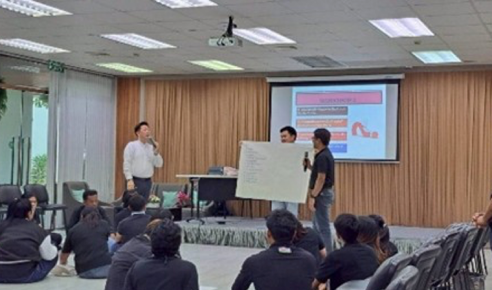
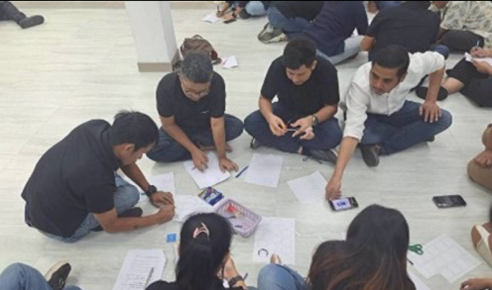
Age 50+ Program: Preparing for a Prosperous Life… Welcoming Retirement

Background and Significance
The demographic shift toward a fully aging society presents both challenges and opportunities for organizations. The Company recognizes the value and extensive experience of employees aged 50 and above, who have been a vital force driving the organization throughout. To enable this group of employees to prepare for this significant life transition with quality and stability, the Age 50+ Program: Preparing for a Prosperous Life… Welcoming Retirement has been established. With a commitment to equipping employees with the knowledge and skills necessary for comprehensive retirement life planning-covering financial planning, physical health, mental health, and purposeful living-this program represents part of the Company’s Social Sustainability policy, which emphasizes employee care throughout their working life and into a fulfilling retirement.

Project Goals and Expected Outcomes
Training is provided to enable employees to:
- Build awareness and develop skills in post-retirement financial planning for the target employee group
- Promote good health and support psychological adjustment in transitioning to retirement
- Support social responsibility toward society and personnel

Benefits for Employees
Employees can clearly define life goals and choose post-retirement careers or supplementary activities, reducing anxiety and uncertainty about retirement.

Benefits for the Company
The Company can reduce risks by ensuring employees have clear options and post-retirement life plans, helping reduce anxiety and enabling them to fully focus on their work in the final years. This indirectly contributes to increased efficiency and productivity.

Number of Project Participants
166 people
Employee development and promotion of innovation
The Company has a unit to carry out development activities. The Kaizen Suggestion and Quality Control Circle (QCC) activities were introduced to drive improvement in employee productivity and foster new innovations, of which the results can be summarized as follows:
Number of topics
Cost reduction
(million Baht)Reducing Ash Accumulation by Closing Air Box Vents under the Fire Grate (STGT-SR)
Problem Condition or Previous Practice (Before Improvement):
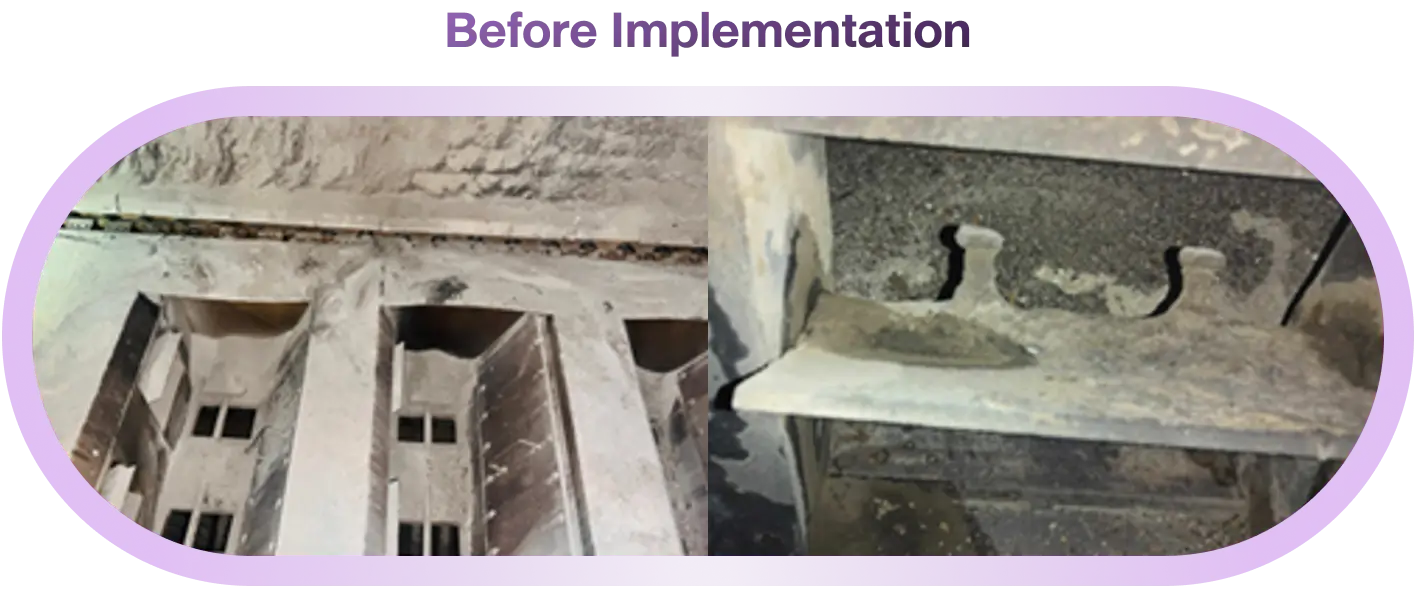
Inspection of Boiler B revealed that the wood consumption rate was at a high level, resulting in increased production costs. Additionally, the Preventive Maintenance (PM) cycle, which occurs every 120 days, required approximately 7 days to complete.
One significant cause stemmed from the damper plate settings, which were adjusted to direct airflow upward. This caused air circulation within the system to deviate from its design specifications and resulted in large amounts of ash accumulation in the Air Box channels.
Furthermore, significant ash accumulation was also found under the grate. This accumulated ash acted as an obstruction to airflow, causing the air flow rate and direction to deviate from required values. This directly affected the combustion efficiency of the furnace system and was a key factor in higher-than-normal fuel consumption, as well as increased maintenance workload and extended machine downtime.
Corrective Methods (After Improvement):
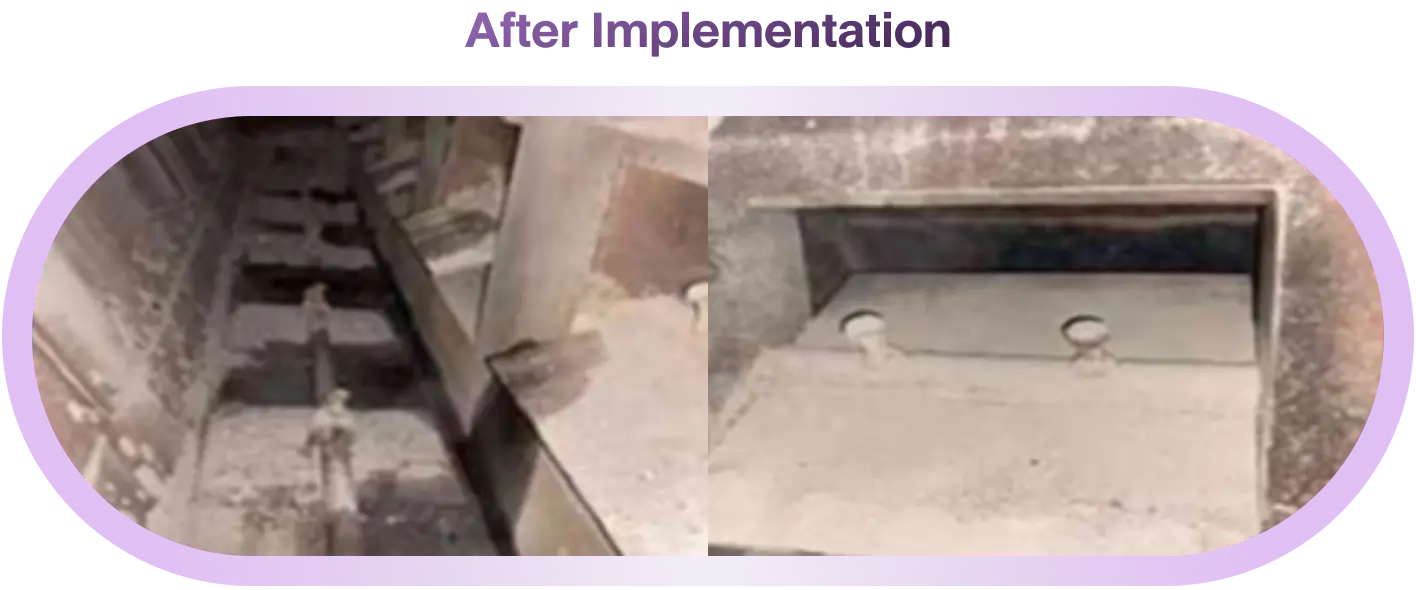
- Reversed the damper plate to direct airflow downward, reducing ash accumulation in the Air Box channels and improving airflow rate
- Changed airflow direction upward toward the grate
- Improved combustion due to increased space under the grate
- Easier temperature increase in the combustion chamber, resulting in faster steam generation (Up Steam) that meets production line demands
- Easier furnace tuning due to the absence of ash obstructing airflow
- Reduced repair work and replacement of equipment damaged by heat under the grate
Benefits Achieved:
- Save avoidance cost = 2,992,222.57 Baht/year/boiler
- Quality: Improved boiler efficiency helps achieve complete combustion, reducing carbon dioxide emissions into the community
- Delivery: Gloves can be delivered on schedule
- Safety: Reduced risks that may occur to employees during work operations
- Morale: Reduced work in hot and poorly ventilated areas
- Environment: Energy resources used economically
Writing iLogic to Reduce Time and Steps for Mat Part Verification (PSE)
Problem Condition or Previous Practice (Before Improvement):
Problem Condition or Previous Practice (Before Improvement):
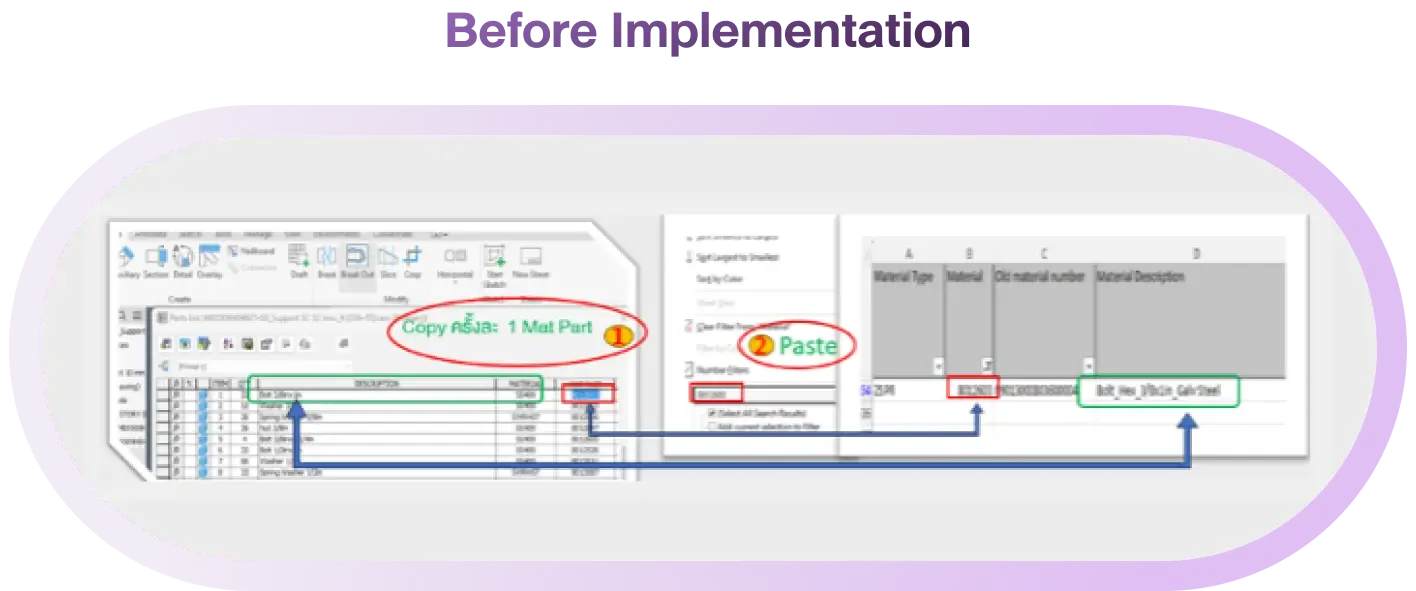
The original process for verifying the accuracy of Material Parts (Mat Part) required manually copying data from drawings in the Inventor program, which could only be done one page at a time. In cases where one drawing number consisted of 20 pages total, data had to be copied 20 times to record and verify in the Excel program.
The time required to copy data was approximately 10 seconds per page, with an additional 10 seconds per page needed for accuracy verification, resulting in a total time of approximately 20 seconds per page. Furthermore, before using the Mat Part verification program, it was necessary to copy and update the database from the LO system into the program every time.
From this process, it was evident that verifying a large number of drawings or multiple drawing numbers would take a considerable amount of time, affecting work efficiency and human resource utilization in the verification process.
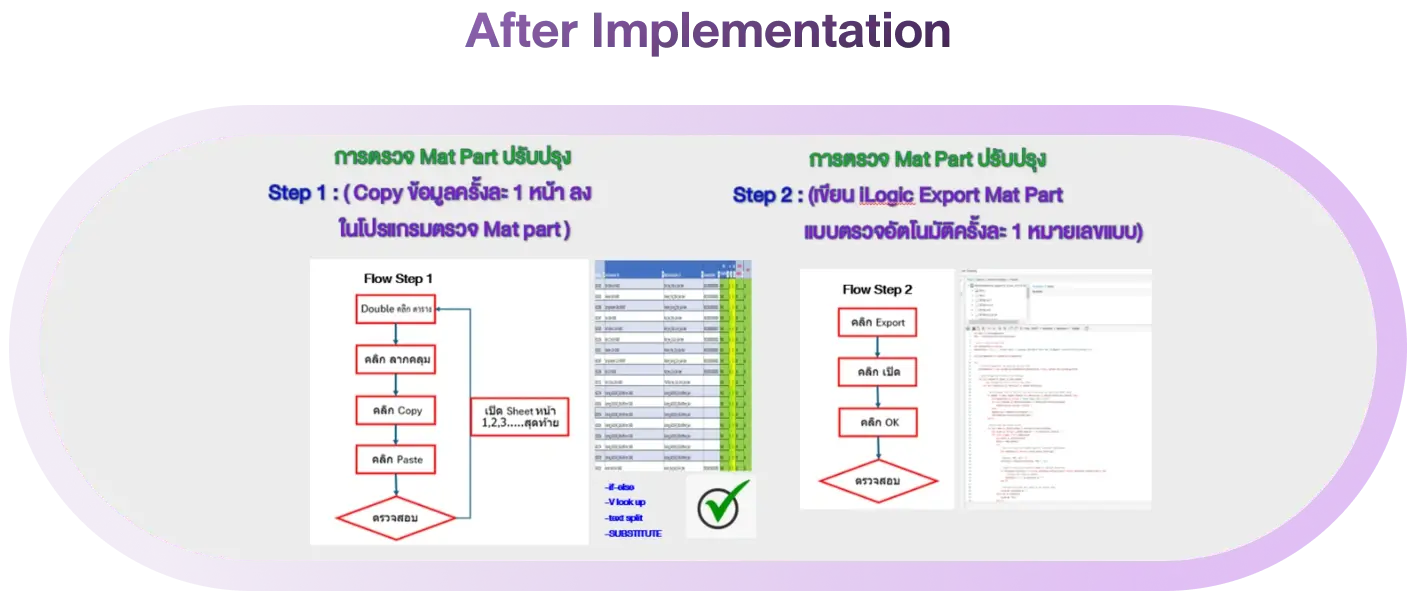
Corrective Methods (After Improvement):The new process involved developing and writing iLogic code within the Inventor program to enable the system to automatically extract all data from drawings and export it to an Excel file for Material Part (Mat Part) verification. When users confirm the data export, the system compiles data from all drawing pages at once, eliminating the need to copy data page by page as in the previous process.
This improvement reduced work steps and verification time by more than 80%, allowing Mat Part verification to be conducted much more quickly and efficiently. It also helped reduce errors that might occur from manual data copying.
Additionally, the Mat Part verification program was enhanced by implementing the Data Query method to automatically pull data from the database and update it into the program, eliminating the need to manually copy the database from the LO system before use. This resulted in reduced data preparation time and further increased work efficiency.
Benefits Achieved:
- Save avoidance cost = 262,847.2 Baht/year
- Quality: Reduced Mat Part errors due to the automated verification program
- Delivery: Reduced Mat Part verification time for drawing registration from an average of 2.33 minutes/page to only 0.056 minutes/page, a 97% time reduction
- Safety: Reduced eye strain from Mat Part verification from an average of 2.33 minutes/page to only 0.056 minutes/page, a 97% reduction
- Environment: Reduced electricity usage and paper and ink consumption from printing drawings for Mat Part verification
Better Not to Pay (STGT-HY)
Problem Condition or Previous Practice (Before Improvement):
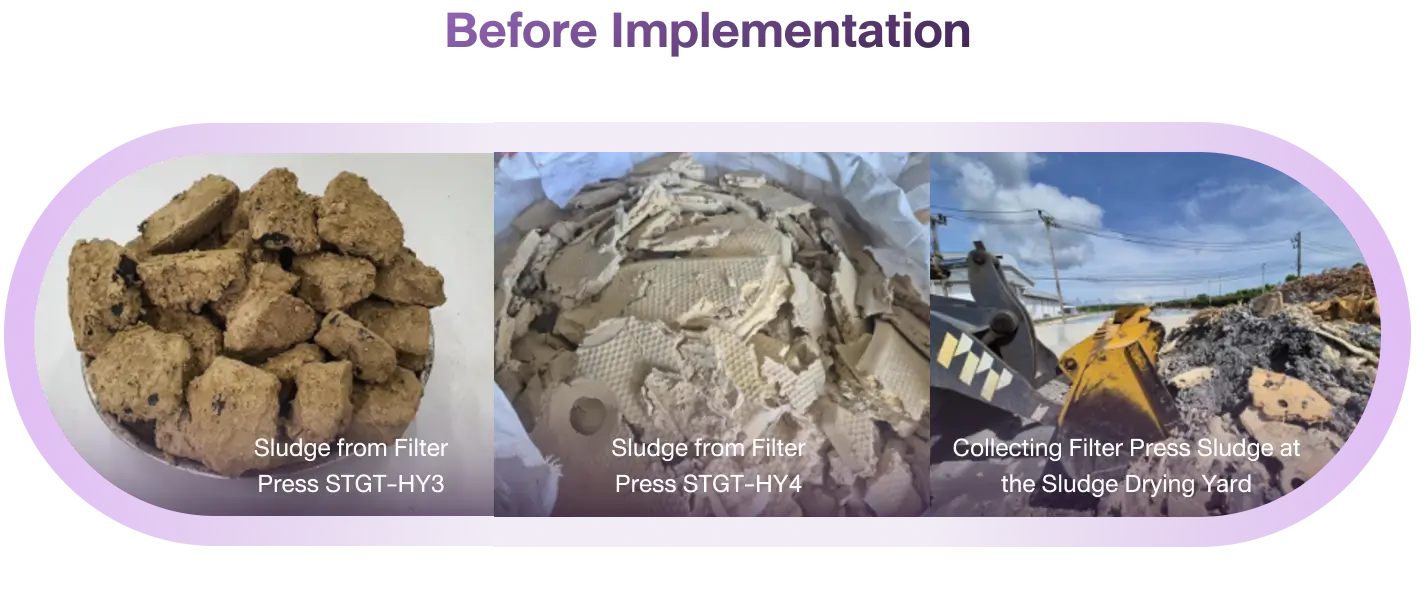
The sludge residue from STGT-HY4’s Filter Press system was under the responsibility of the Environmental Department, which arranged for disposal through a waste disposal contractor (Supplier) following proper procedures in accordance with environmental law requirements.
The disposal method used was to utilize the sludge as alternative raw material in cement kilns (disposal method code 044), which aligned with sustainable waste management principles by helping reduce natural resource usage and minimize waste requiring landfill disposal. However, in some cases, the Environmental Department disposed of waste through landfill methods (disposal method code 071) due to limitations in the waste disposal contractor’s capacity to accept waste. The company incurred disposal costs paid to the Supplier for every shipment, with service rates calculated based on the weight of sludge sent for disposal each time.
Corrective Methods (After Improvement):
- Contacted customers for bidding on defective glove groups, totaling 5 parties (Suppliers)
- Sent samples of sludge from Filter Press systems STGT-HY3 and STGT-HY4 to customers for quality assessment and suitability evaluation
- On April 3, 2025, visited the production facility of Yong Chiang Rubber Company Limited to study
the feasibility of utilizing the sludge - Supplier offered to purchase sludge from Filter Press system STGT4 at a rate of 3 Baht per kilogram (including transportation costs)
- Processed the approval request to sell sludge from Filter Press system STGT-HY4
- The Company obtained permission to export rubber sludge through the electronic system with
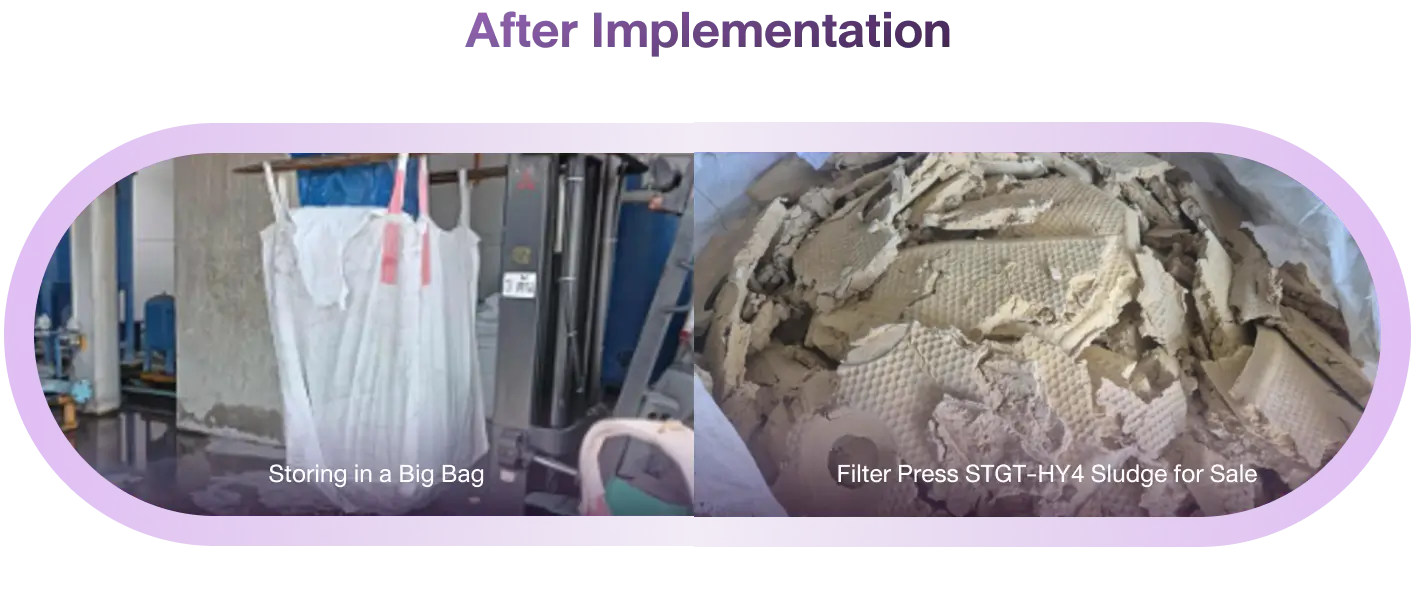
the Department of Industrial Works and received authorization to export unused materials in accordance with company regulations as required by law - The Environmental Department notified the General Engineering Department to improve the Hopper for loading Filter Press STGT-HY4 sludge into Big Bags
- Packed sludge into Big Bags and collected them for storage in the Environmental Department’s unused materials storage building
- Sold sludge from Filter Press system STGT-HY4 to the Supplier as approved
Benefits Achieved:
- Save avoidance cost = 310,714 Baht Quality Secondary raw materials are properly sorted, helping control reclaimed rubber production quality. Systematic waste management processes reduce raw material variability. Sorting sludge from Filter Press for use as secondary raw material in reclaimed rubber production helps reduce waste, decrease new resource usage, and support circular economy principles.
- Quality: Secondary raw materials are appropriately sorted, helping to control the production quality of reclaimed rubber. The waste management process is systematic, reducing raw material variability. Sorting sludge from the filter press for use as a secondary raw material in reclaimed rubber production reduces waste, minimizes the consumption of virgin resources, and supports Circular Economy principles.
- Environment
- Transforms waste into green raw materials (recycled materials from properly managed waste)
- Optimizes resource utilization by repurposing sludge as secondary raw material
- Reduces waste requiring landfill disposal and incineration as alternative raw material in cement kilns = 65.46 tons
- Reduces carbon footprint from decreased landfill disposal = 51.93 tCO₂eq /year
- Reduces disposal costs = 310,714 Baht
- Reduces new raw material usage (Upcycling Filter Press sludge)
- Enhances corporate image as environmentally friendly