
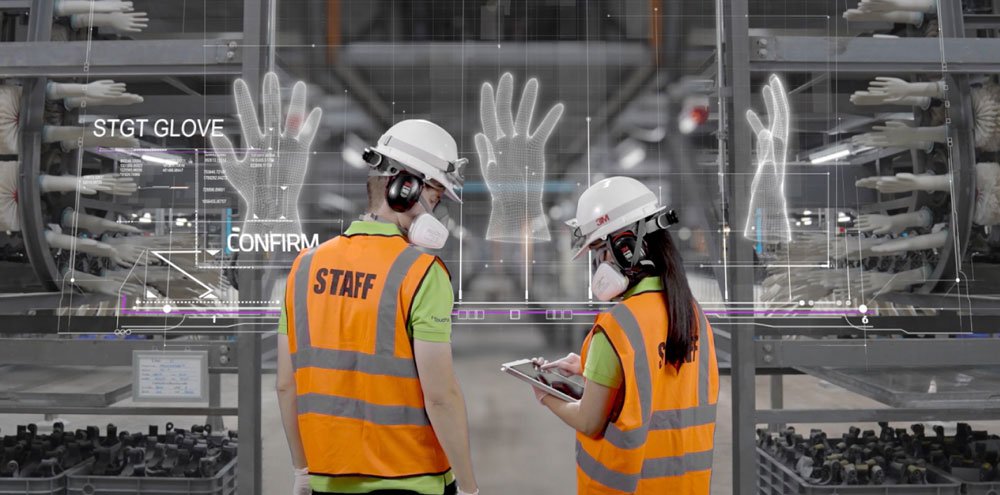
Occupational Health and Safety in the Workplace (GRI 3-3)
Safety, Occupational Health, and Working Environment
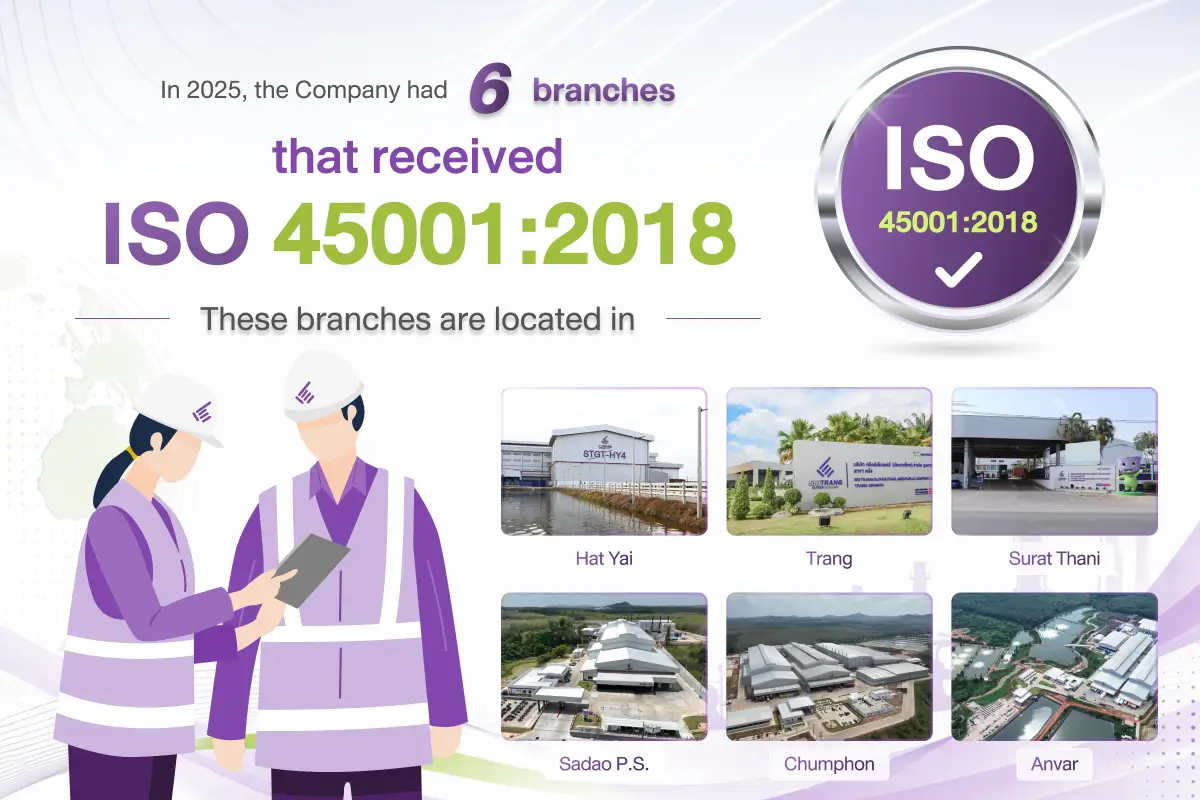
Safety, occupational health, and working environment are critical sustainability issues that significantly impact the organization and stakeholders. Therefore, the Company prioritizes management, especially in risk reduction and incident prevention that could affect business operations and build stakeholder confidence, particularly among employees, partners/contractors, and the surrounding community. The Company has established an occupational health and safety policy and announced regulations for contractors as guidelines for all employees and contractors to ensure safety, occupational health, and environmental responsibility for themselves and their colleagues, in compliance with relevant laws and regulations. The Company has adopted the ISO 45001:2018 occupational health and safety management principles and has been certified under this system (GRI 403-1). Additionally, objectives, goals, and management plans are regularly reviewed and monitored by the Safety, Occupational Health, and Working Environment Committee (KPI), which oversees and continuously improves safety, occupational health, and working environment operations. The Company also sets occupational health and safety goals as organizational targets to ensure business safety stability
Hazard Identification, Risk Assessment and Incident Investigation (GRI 403-2)
The Company identifies work-related hazards, assesses safety and occupational health risks, develops risk control and prevention plans, and considers opportunities for improving occupational health and safety operations. This process covers activities performed by both employees and contractors. The hazard identification process considers the nature of the work, location, activities, and potential hazards. Risk assessment takes into account social factors, work methods, past incidents, work method design, changing work processes, and climate change. Risk assessments are conducted at least once a year and whenever there is a significant change in risk.
The Company has established procedures for handling incidents involving physical or property damage, as well as work-related illnesses. This includes an accident investigation process to determine the causes, set corrective measures, and prevent recurrence, as well as follow up on the implementation of corrective actions
For the investigation of accidents or incidents, the Company requires that witnesses or those involved, along with supervisors, report to the safety officer and relevant personnel within 24 hours. The accident investigation process then begins, involving relevant parties, witnesses, department managers, and the Occupational Safety and Health Committee (OSH Committee) to analyze the root cause of the accident and implement preventive measures to avoid recurrence. Continuous follow-up on the improvement actions is also conducted. In 2025, the Company implemented the RCS Application system, covering three work activities as follows:
- Monitoring, inspecting and evaluating compliance with legal requirements
- Use in the incident investigation process (physical and property accidents and near accidents)
- Safety behavior reporting in BBS application
The abovementioned system is able to be communicated within the corporate group and this makes it possible for all parts of the organization to be kept informed when an accident occurs at one branch, thereby enabling other branches to prepare to prevent repeated accidents.
According to the results of the 2025 safety risk assessment, it was found that the risk of high-consequence work-related injury, i.e. chemical accidents, accidents from machinery such as conveyor belts or pivot points. And when all events are analyzed in terms of the risk factors of the nature of work or activities that may possibly cause disease or endangerment from work whereby the levels of safety risk are divided into five levels, it was found that there were 13,599 activities with low risks, 8,791 activities with acceptable risks, 1,141 activities with medium risks.
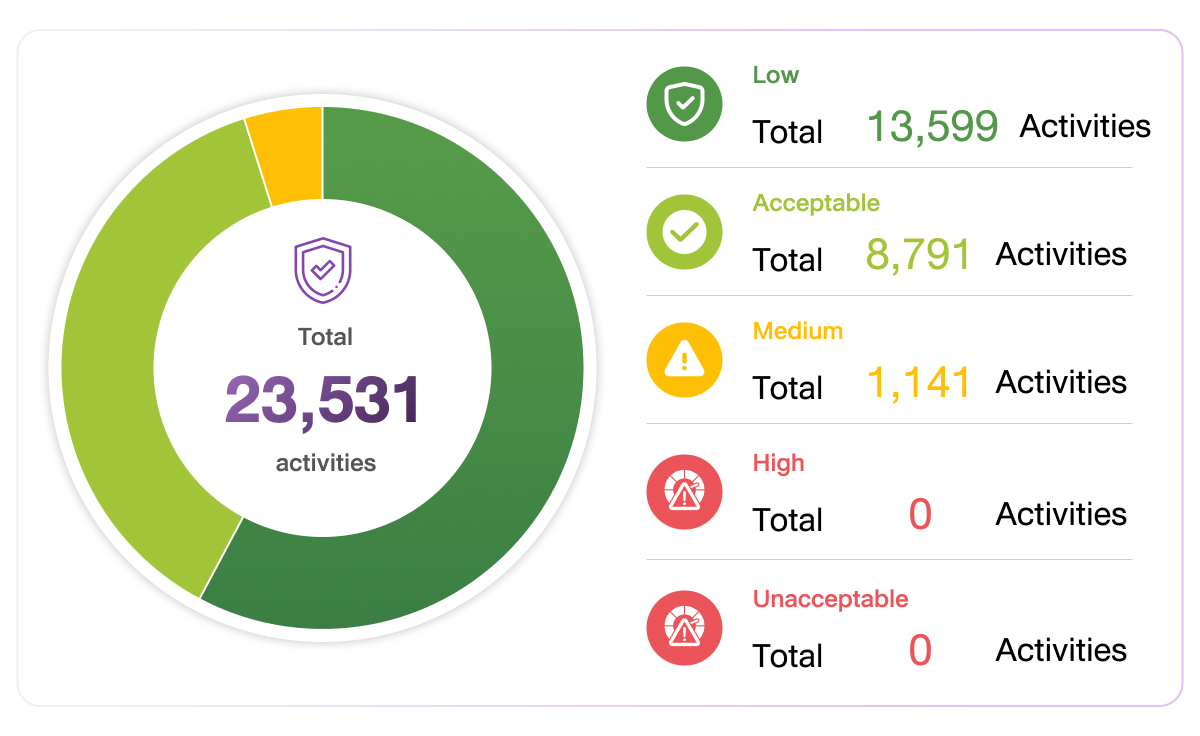
Therefore, the Company has established measures to prevent and control hazards in accordance with the hierarchy of controls and risk levels with a focus on eliminating risks and hazards in the workplace.
The Company has compiled reports of accidents that occurred throughout the year and, in analyzing the causes of accidents, it was found that the most common accidents and injuries were caused by cutting/ slicing/stabbing by objects, followed by bumping/crashing of objects and pinching/pulling by objects, respectively. The Company has analyzed the causes and determined methods to prevent accidents that occurred in the top 3 as follows:
|
|
|
|
|---|---|---|
| 1) Cutting/Slicing/Stabbing by Objects | 2) Bumping/Crashing by Objects | 3) Pinching or Pulling by Objects |
|
Cause identification
|
Cause identification
|
Cause identification
|
|
Accident prevention
|
Accident prevention
|
Accident prevention
|
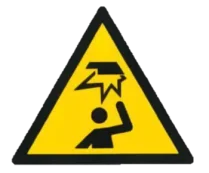
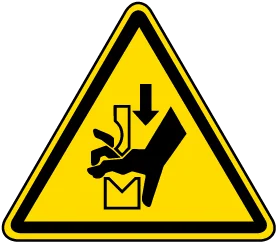
In addition, the Company has prepared to handle various emergency situations such as inspections of alarm systems, fire escape routes, emergency lighting, emergency exits and signage, automatic fire suppression system and various emergency suppression devices as well as training emergency response teams to be ready to respond at all times. The Company has regular training and simulation of its emergency response teams to ensure preparedness at all times, including emergency drills for incidents which may result in business interruption according to the ISO 22301 standard system on business continuity management covering 4 crisis scenarios, including: fire, boiler explosion, flooding, and cyber attack.
Moreover, the Company has conducted a risk improvement survey organized by the Insurance Department in collaboration with the insurance broker (Marsh PB Co., Limited). Any deficiencies or recommendations identified during the inspection are used to develop corrective and preventive action plans, as well as continuous improvement measures to reduce risks that may impact the Company.
Work-related Health Services (GRI 403-3)
The Company integrates health considerations into its business operations, recognizing that sustainable growth stems from employees who are physically and mentally healthy, which in turn enhances work efficiency. Therefore, the Company is committed to managing and mitigating health risks for employees and anyone working on company premises. A health risk assessment is conducted by occupational health physicians, covering all company activities to establish appropriate control measures and reduce health risks. The Company has also set up a process for monitoring and measuring the work environment at least once a year. This includes industrial hygiene measurements (lighting, noise, heat, dust, and chemicals) in the workplace, compared to relevant safety standards. If the measurement results exceed the standards, the Company will develop an improvement plan, recheck, and implement systematic control and prevention measures. For example, if noise levels exceed the standard in certain areas, the Company has established a hearing conservation program, which includes improvement measures such as area modifications, training, campaigns, inspections, and monitoring the impact on employees.
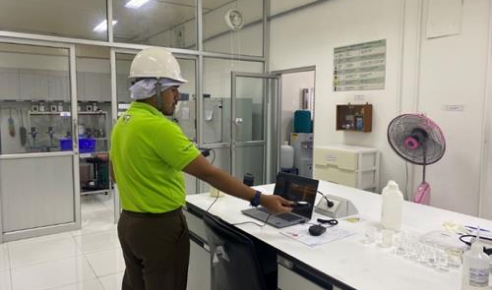
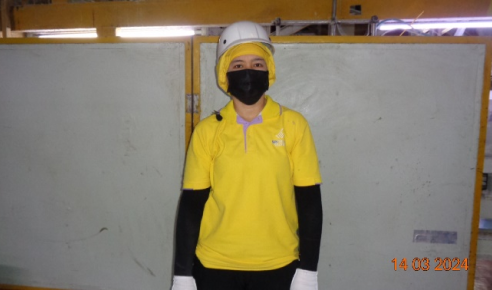
Monitoring and analyzing the work environment
(Covering both work areas and personal)
The Company has a nursing room and on-duty nurses to provide health service to employees and those work in the Company’s premises. The Company also provides health checks for employees before starting work and when changing jobs, as well as annual general health examinations and health check-up based on occupational health risk factors by an occupational medicine physician. Furthermore, the Company also employs safety officers to provide advice to employees and workers on issues related to occupational health and safety.
Participation, consultation and communication on Occupational Health and Safety Issues (GRI 403-4)
The Company promotes the participation of employees in the development of occupational health and safety operations through the Occupational Safety Health and Working Environment Committee (CDC) established by the Company under the law. The Committee is responsible for the management of occupational safety and health risks, including promoting the participation of workers through elected employee representatives, separated by line of work to enable effective communication with employees of all fields and levels. The employee representatives work together with management as a working group, which is scheduled to meet at least once a month, to be a forum for exchanging information, continuously improving and monitoring progress of occupational safety and health processes. The Working Group made recommendations pertaining to risk arising within respective departments and their surroundings in order to prevent and remediate possible physical harm and property damage, as well as conducting safety and occupational health inspections to continuously improve work areas to be safe.
Moreover, the Company also organized various activities to promote occupational safety and health to foster employee participation, raise awareness, provide advice and communication on issues related to safety and occupational health, such as BBS activities, safety volunteering activities, granting recognition and safety awards, organizing safety exhibitions and quiz games, communication via Outlook, notice boards, safety radio (internal audio transmission system), KYT activities, QCC activities, KAIZEN, 5S activities, Safety talk, Safety greeting Culture activities, Safety Inspection activities and Safety Day etc.
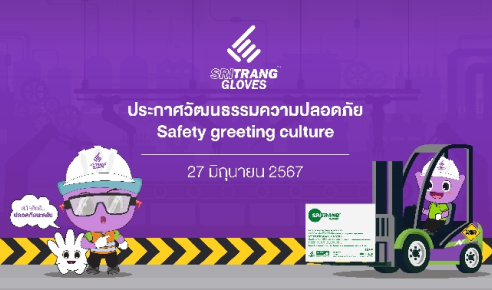
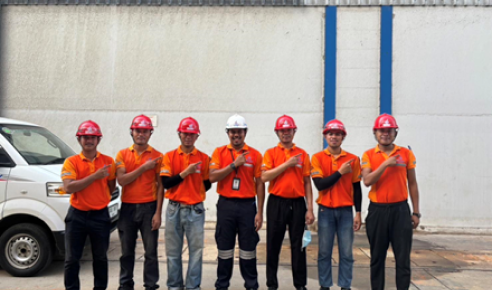
Safety Greeting Culture Project
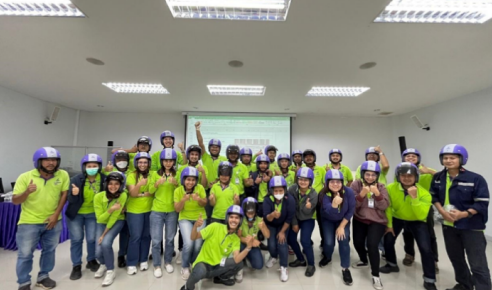
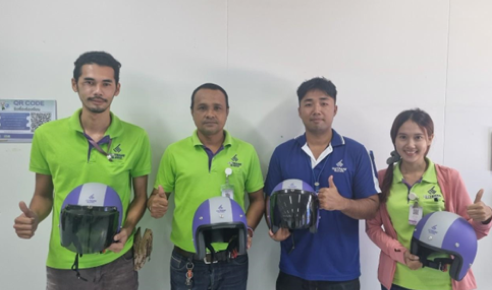
Safety Day
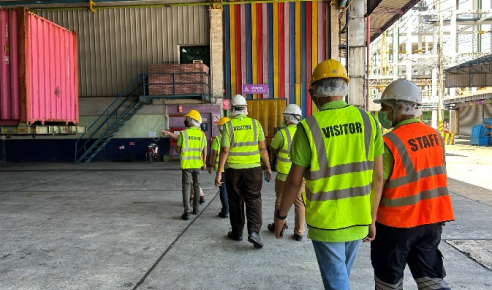
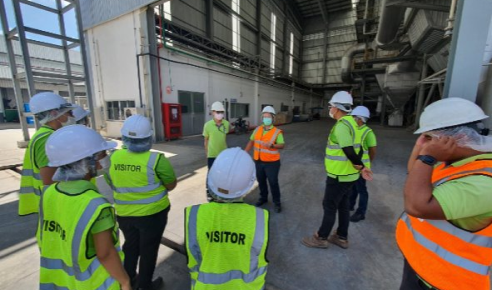
Safety Inspection Activity
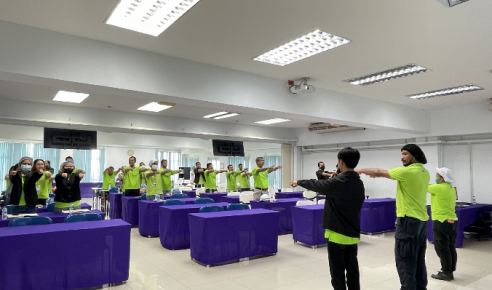
KYT Activity
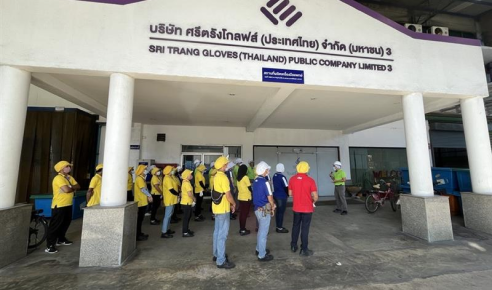
KYT Activity
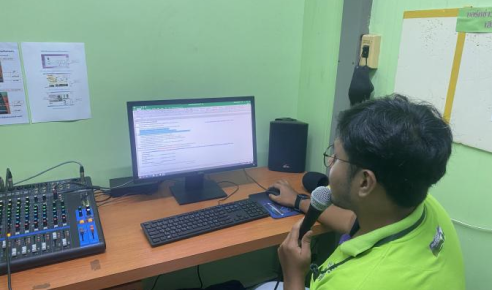
Safety Radio Activity
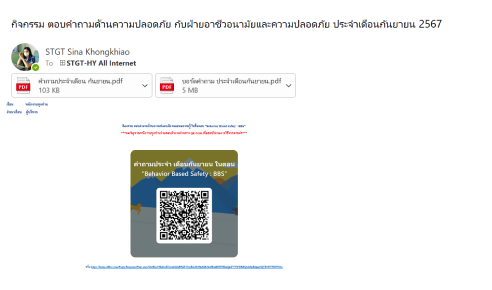
Safety Q&A Activity
Occupational Health and Safety Employee Training (GRI 403-5)
The Company provides safety and occupational health training to all employees and workers prior to starting work or when changing jobs based on the nature of the hazards and risks associated with the job or activity to be performed, such as initial firefighting training, basic first aid training, training to properly and safely operate forklifts and hand lifts, safety training in the use of chemicals, electrical safety training and safety training in working in confined spaces, etc. In addition, the Company organized emergency preparedness training such as fire evacuation drills, response to chemical spills and floods, etc., and emergency teams have been established and trained regularly. The Company has prepared a training plan and closely tracksuits implementation, as well as conduct assessments of such training and record employee training history in order to develop knowledge and ability in preventing and controlling hazards while working.
Role-specific training
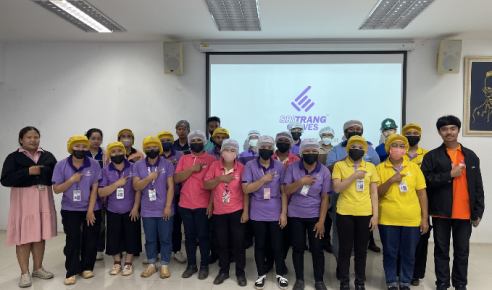
Workplace Safety for New Employees
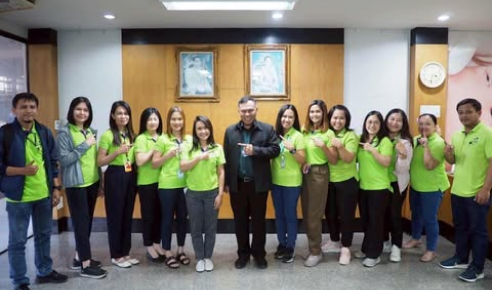
Occupational Safety Officer, Executive Level
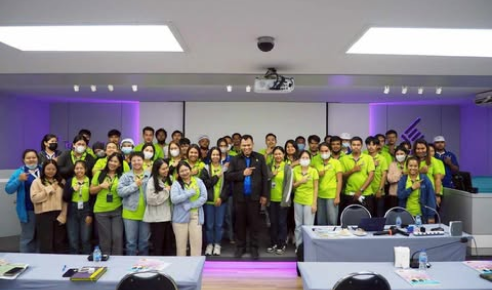
Occupational Safety Officer, Supervisor Level
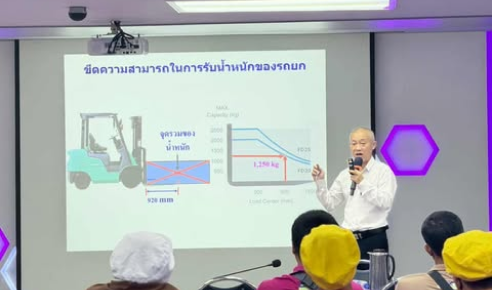
Safe Forklift Operation
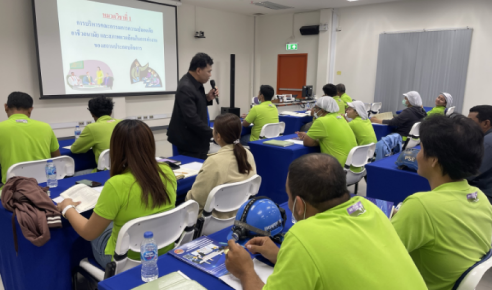
Occupational Safety, Health, and Environmental Committee
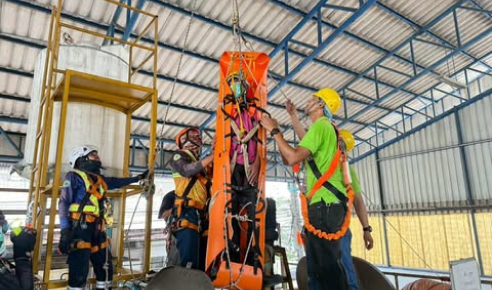
Permit Issuer, Supervisor, Helper Worker in Confined Spaces
Training to Promote Occupational Safety, Health, and Environmental Conditions
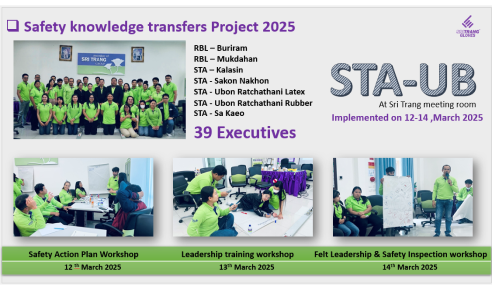
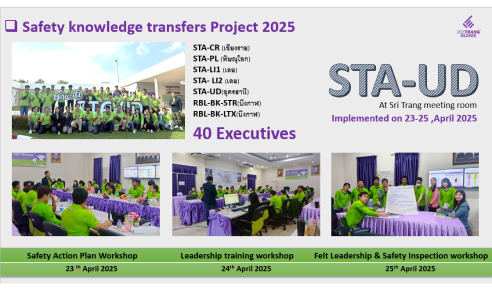
Emergency Prevention and Response Training
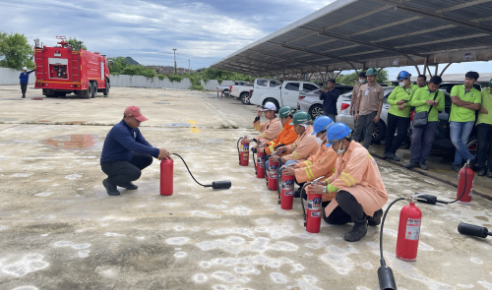
Basic Firefighting Training
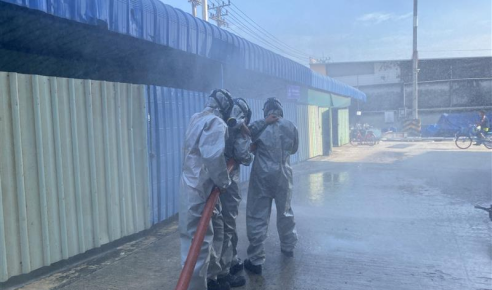
Ammonia Leak Response Drill
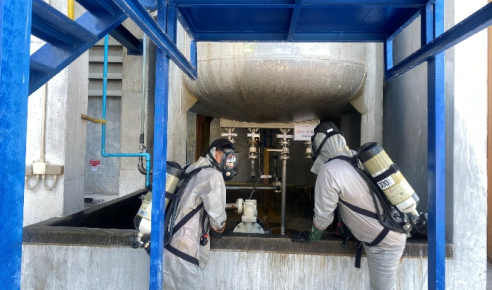
Practice Plans to Stop Nitric Acid Leaks
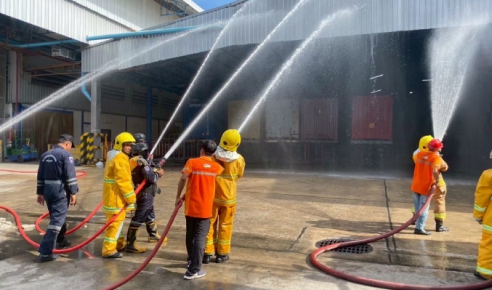
Practice Fire Suppression Plans
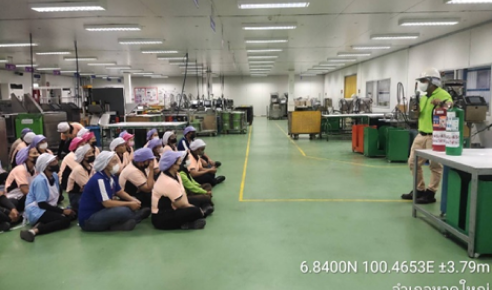
Basic Incident Reporting and Suppression Training
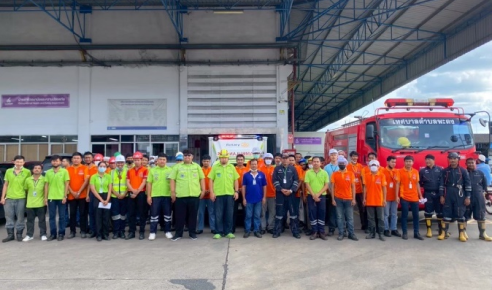
Practice Fire Suppression Plans
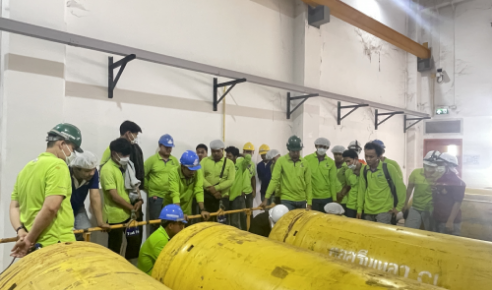
Chlorine Leak Response Drill
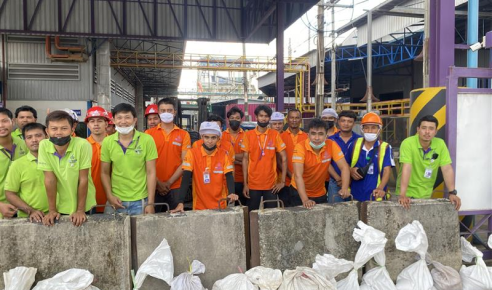
Flood Response Drill
Promotion of Worker’s Health (GRI 403-6)
In addition to health and occupational health services related to work, the Company also attaches great importance to the health of employees and workers in accessing medical services for illnesses that are not occupational diseases. The Company organized health promotion activities as well as creating a health care culture in the organization for employees to have a good quality of life as follows:
- Providing basic medical care services to employees and operators at the Company’s hospital room, free of charge
- Organizing annual health check-up services for employees and a health check-up promotion program for employees over the age of 35
- Provide Preventive Health Promotion Education for Employees
- A Workplace Wellness Center has been established to provide health care advice and implement
the Healthy, Safe, and Happy Workplace project. This initiative has received national recognition with Gold Shield Awards in two categories: the Chumphon and Surat Thani Branch Factory.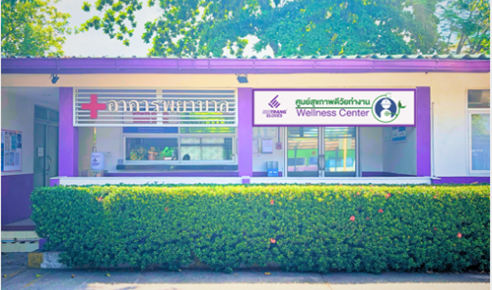
Medical Building
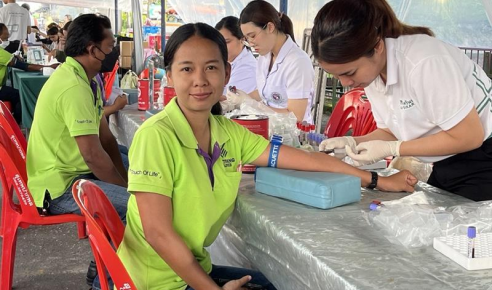
Employee Health Check
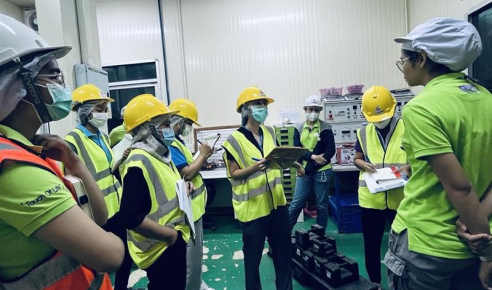
Health Promotion and Disease Prevention Program for Employees in the Workplace
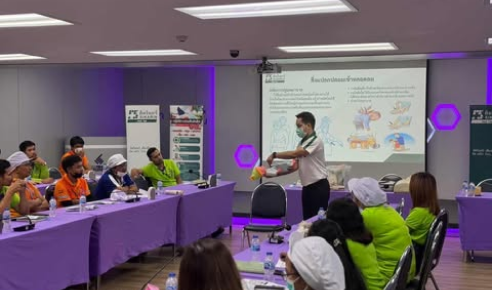
Basic First Aid and Workplace Ergonomics
- The Company also supports sports activities for employees to promote their health and reduce health risks. This includes organizing sports competitions and providing facilities such as football fields, pétanque courts, sepak takraw courts, and exercise equipment at employee residences. These initiatives aim to encourage employees to exercise, relieve work-related stress, and foster unity and relationships among employees
In addition to internal company projects, safety knowledge training is also provided to the surrounding community and society as follows: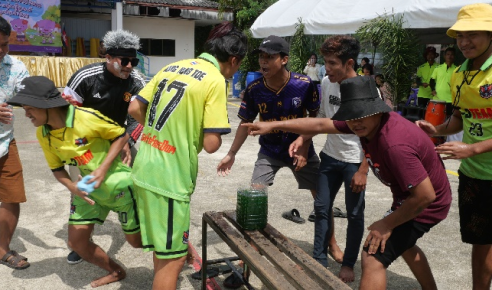
 Songkran Festival Sports Activities 2025
 - Safety to School Activity
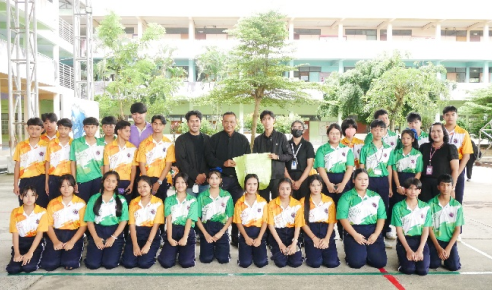
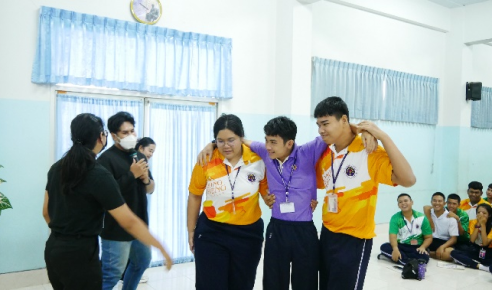 Educating Students on How They Would Evacuate from Fire
Preventing and Mitigating Impacts on Safety and Health that are Directly Related to Business Relationships (GRI 403-7)
The Company is also aware of risks and negative impacts on occupational safety and health on the business of the Company that may arise from the operations of trade or business partners in addition to requiring annual safety training for contractors and arrangement of work permits for those working in the Company. The Company has established a Supplier Code of Conduct to encourage business partners to operate in line with the Company’s operation. The safety and occupational health guidelines for trade and business partners are as follows:
- Provide a safe work environment and control the risks of accidents and the potential health consequences of the operations and provide access to health services, medical assistance and adequate facilities
- Provide regular occupational health and safety training for employees
- Provide proper personal protective equipment
- Evaluate and establish a plan for emergency preparedness as well as emergency response, rehabilitation, and communication plans
This business ethics and occupational health and safety guidelines must be adhered to and followed by the business partners or suppliers of the Company in order to prevent risks and minimize adverse impacts on both the business partners and the Company’s operations.
Performance
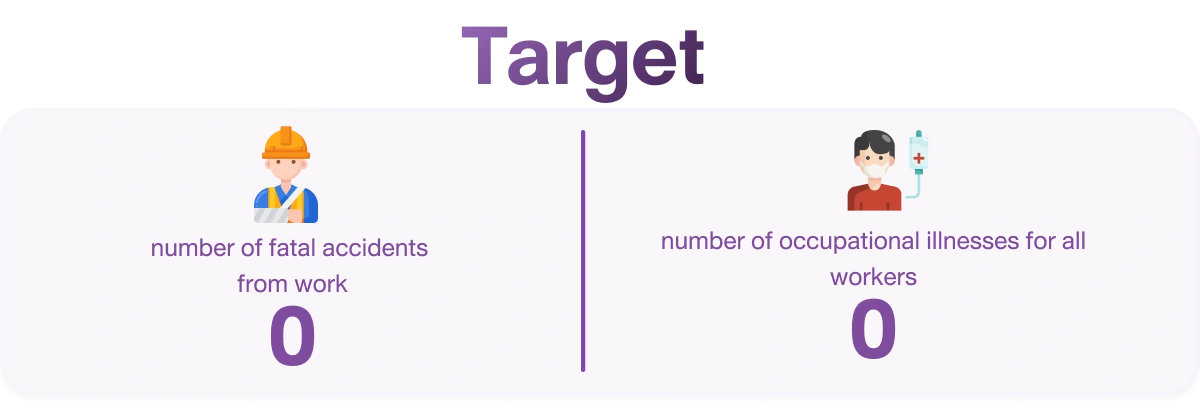
The Company has followed up on its occupational safety and health performance of employees and contractors/workers in operations according to the target and indicators GRI standard as shown in table;
Occupational Health and Safety Indicators1 (GRI 403-9, 403-10) |
Unit | Target | FY2020 | FY2021 | FY2022 | FY2023 | FY2024 | FY2025 |
|---|---|---|---|---|---|---|---|---|
| Fatality as a result of Work-Related Injury | Case | |||||||
| • Employee | 0 | 0 | 1 | 0 | 0 | 0 | 0 | |
| • Contractor | 0 | 0 | 0 | 0 | 0 | 0 | 0 | |
| Lost-Time Injury Frequency Rate (LTIFR) | Case/1,000,000 worked hours |
|||||||
| • Employee | 1.26 | 2.68 | 2.08 | 1.93 | 1.40 | 0.38 | 0.34 | |
| • Contractor | - | NA | NA | 0 | 0 | 0 | 0 | |
| Injury Severity Rate (LTISR) | Case/1,000,000 worked hours |
|||||||
| • Employee | - | 17.52 | 10.86 | 5.42 | 7.95 | 1.43 | 0.63 | |
| • Contractor | - | NA | NA | 0 | 0 | 0 | 0 | |
| Total Recordable Injury Frequency Rate (TRIFR) | Case/1,000,000 worked hours |
|||||||
| • Employee | 2.50 | 3.27 | 2.88 | 4.34 | 3.81 | 2.10 | 1.68 | |
| • Contractor | - | NA | NA | 0 | 0 | 0 | 0 | |
| High-Consequence Work-related Injuries Rate* | Case | |||||||
| • Employee | 0 | 0 | 0 | 1 | 0 | 0 | 0 | |
| • Contractor | - | NA | NA | 0 | 0 | 0 | 0 | |
| Occupational Illness Frequency Rate (OIFR) | Case | |||||||
| • Employee | 0 | 0 | 0 | 0 | 0 | 0 | 0 | |
| • Contractor | - | NA | NA | 0 | 0 | 0 | 0 |
Remark:
*High-consequence work-related injuries rate (Accidents due to work that unable to restore the body to the state it was in before the accident within 6 months after the accident.)
1 The Company started collecting safety data of contractors in 2022 for the first year.