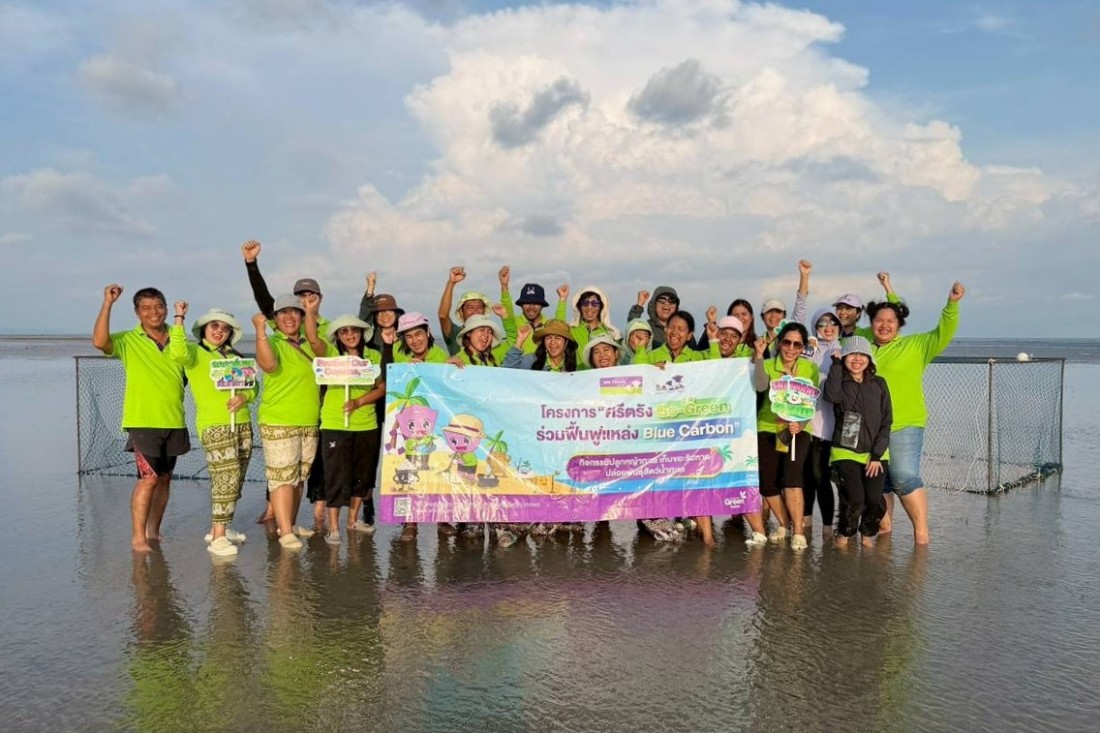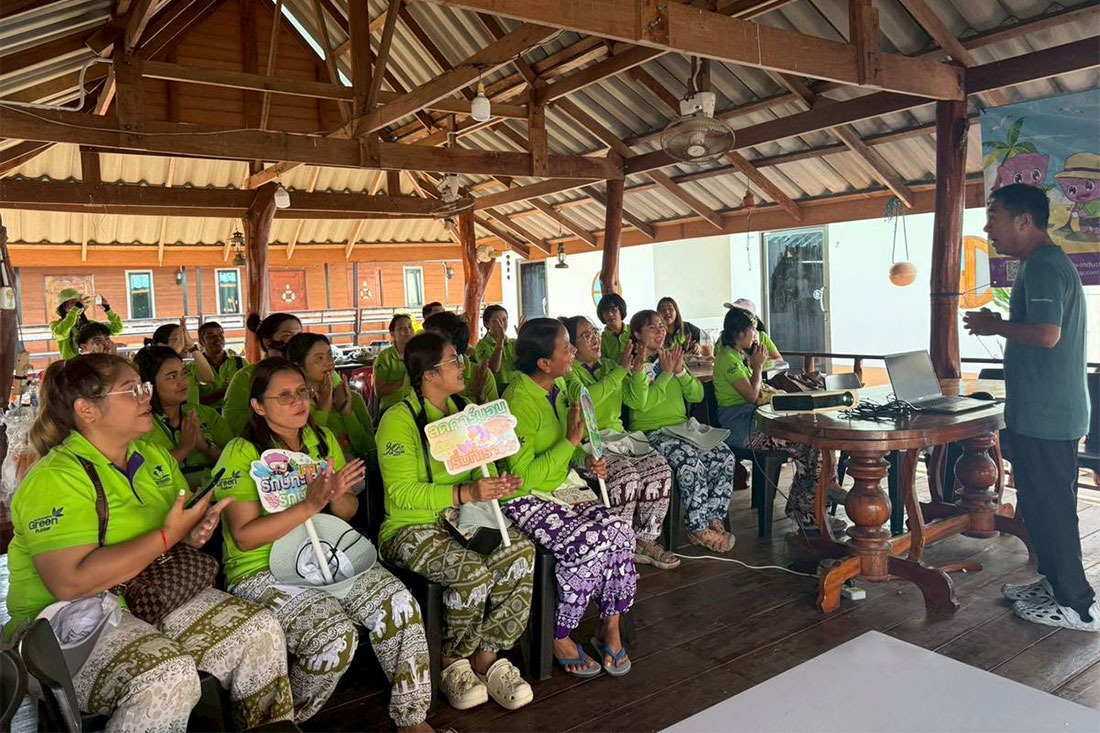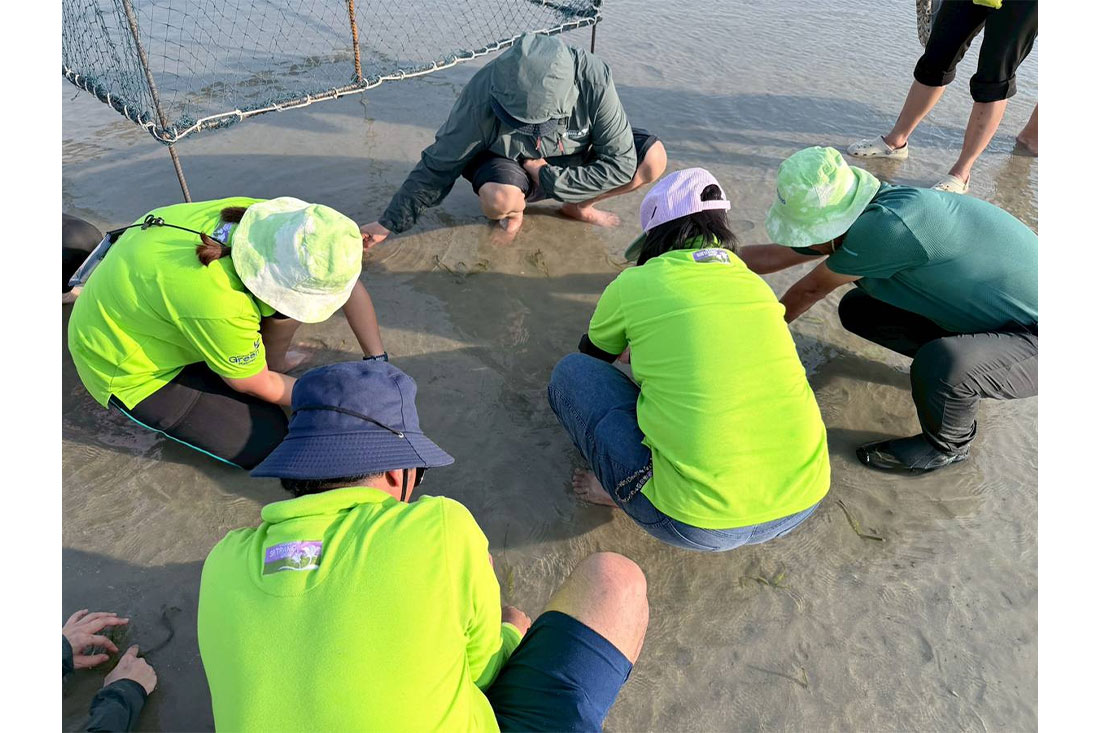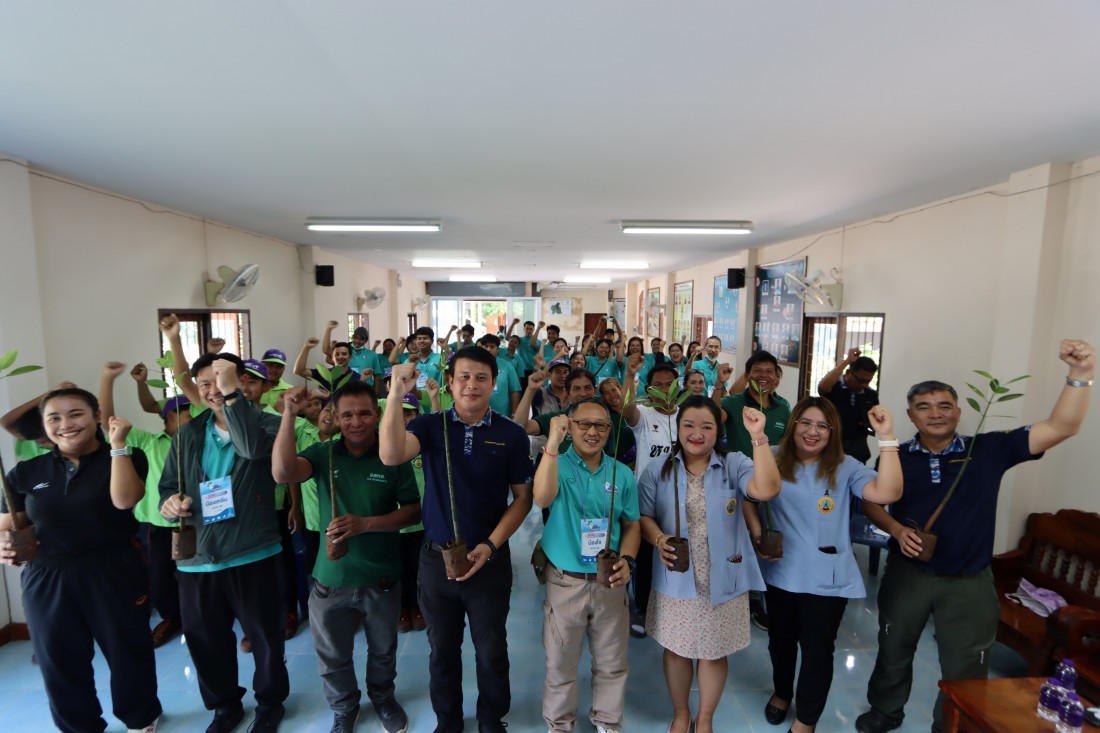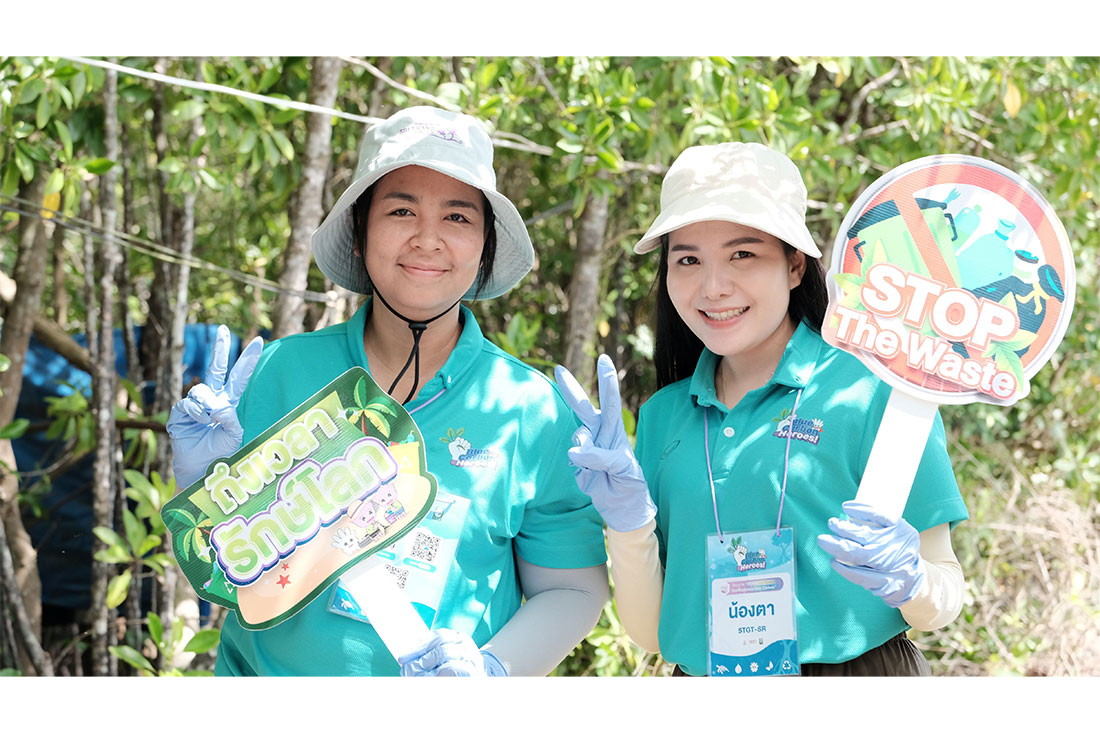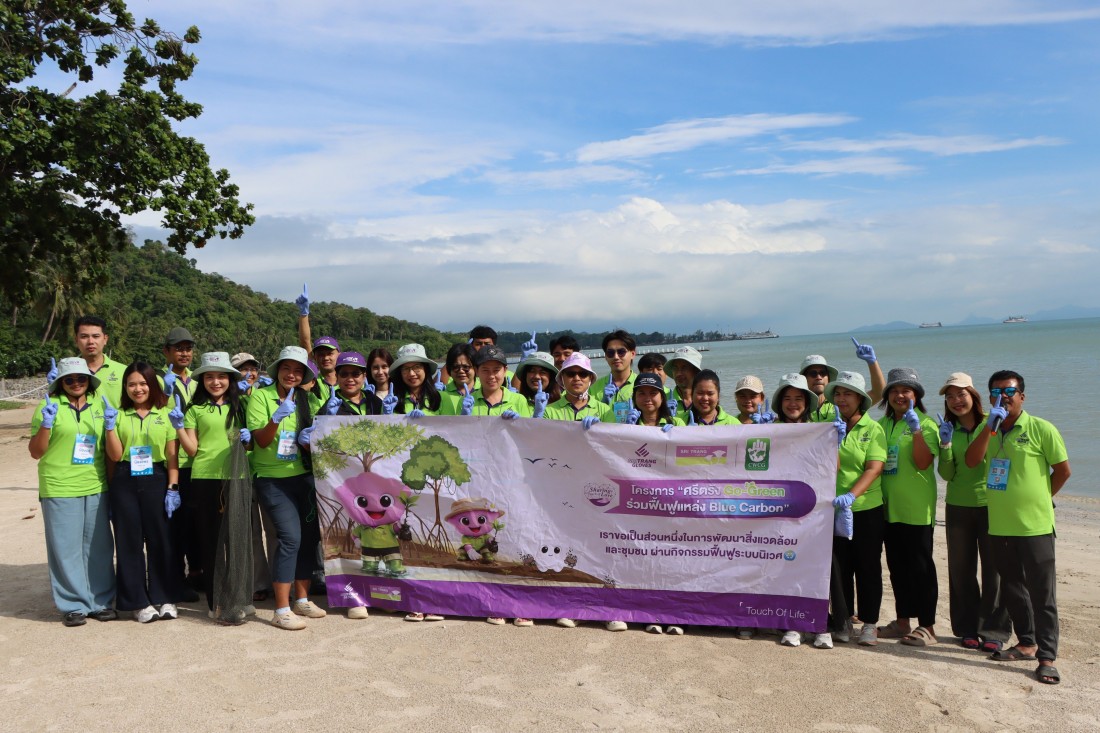
Sri Trang Group, led by Sri Trang Agro-Industry Public Company Limited (STA), the world's largest fully integrated producer and distributor of natural rubber, and Sri Trang Gloves (Thailand) Public Company Limited (STGT), a global leader in sustainable rubber glove production and distribution, reaffirmed its commitment to environmentally responsible business practices with the second annual “Sri Trang Go Green: Restoring Blue Carbon for Sustainability” project. A team of executives and employee volunteers joined forces with local communities in Baan Don Harn and Kao Charoen, Don Sak District, Surat Thani Province, on June 6-7. The project aimed to conserve and restore coastal ecosystems, which play a crucial role in absorbing greenhouse gases, while also fostering environmental awareness among employees and local communities.
This year, Sri Trang Group continues to focus on harnessing the potential of “Blue Carbon,” or carbon stored in marine and coastal ecosystems. These ecosystems can sequester carbon at rates up to four times higher than terrestrial forests. The main objective is to drive tangible conservation results through three key activities: restoring seagrass beds, which are highly efficient carbon sinks and nurseries for various marine animal larvae; promoting ecological balance through the release of aquatic species to restore abundance and maintain biodiversity in marine resources; and monitoring and evaluating project outcomes through continuous assessment of seagrass growth to support data-driven conservation management and long-term sustainability.
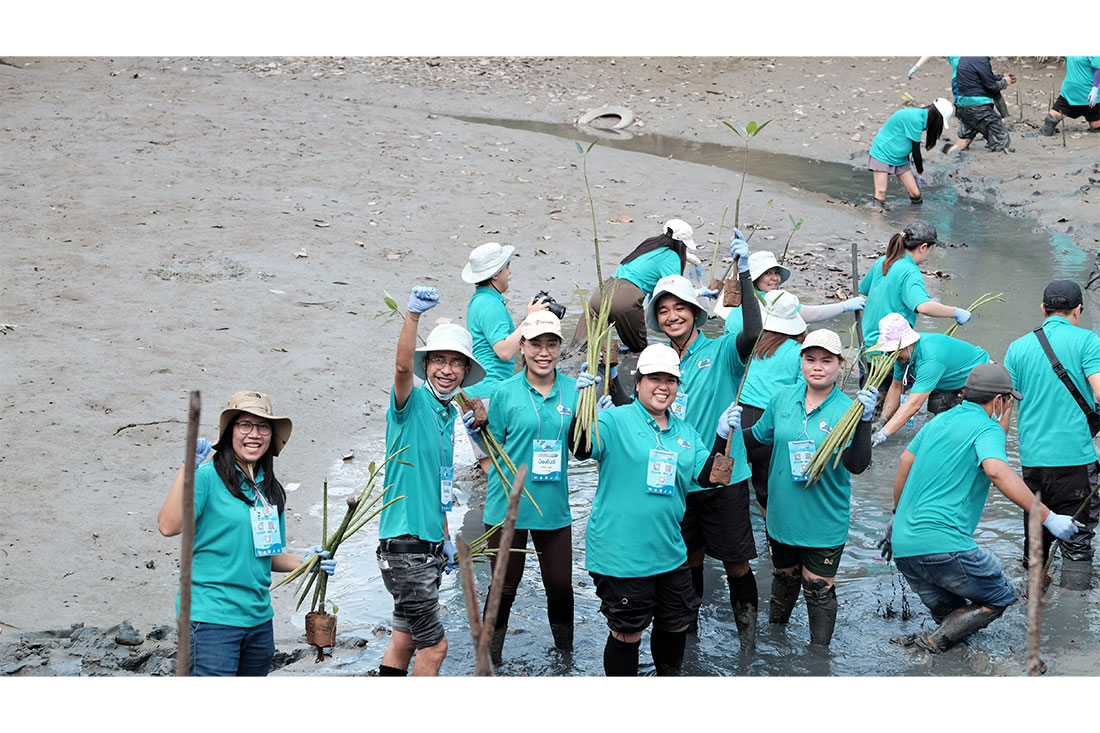
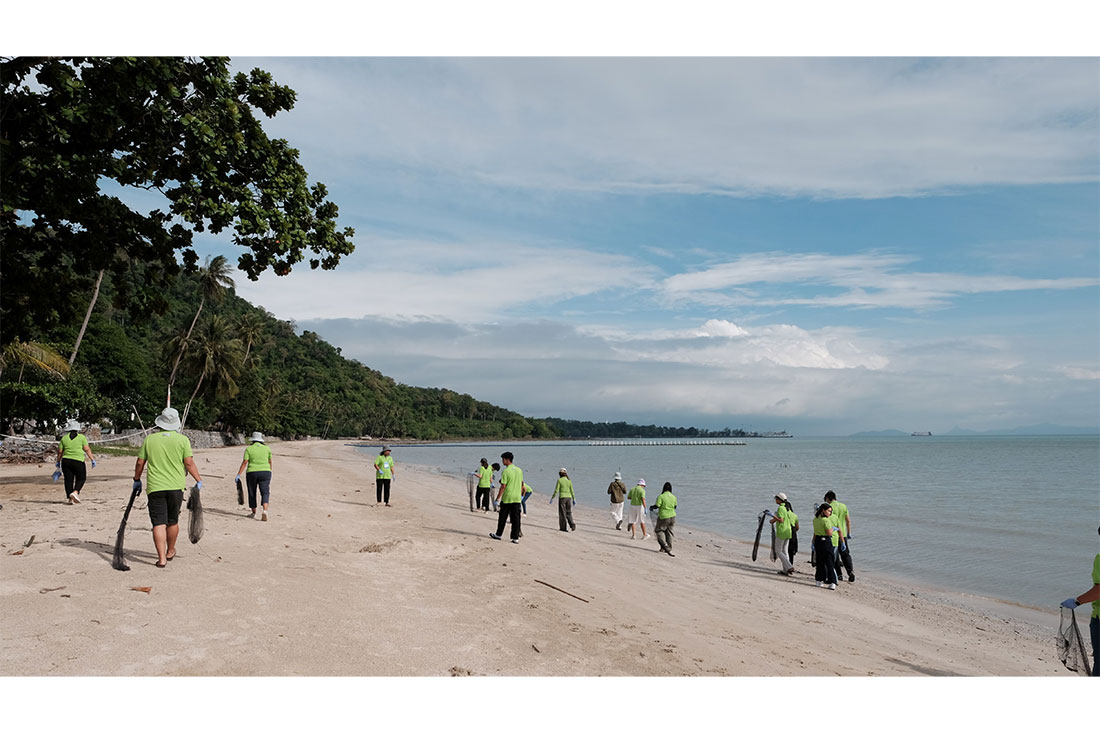
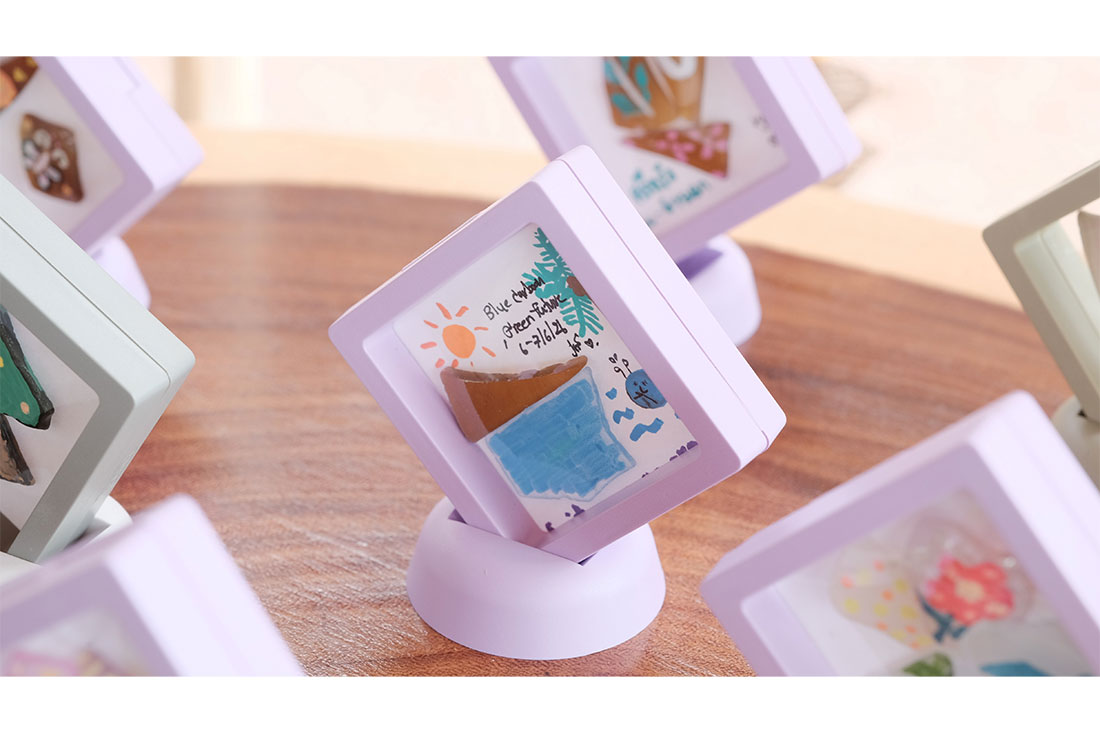
The selection of Baan Don Harn and Kao Charoen communities in Don Sak District, Surat Thani Province, was due to their strategic location with abundant mangrove forests and strong community involvement in natural resource conservation. A group of executives and volunteer employees from Sri Trang Group of Companies in Bangkok and Southern Thailand (Songkhla, Trang, Surat Thani and Chumphon) joined forces with the Marine and Coastal Resources Office Region 4, the Pak Prak Sub-district Health Promotion Hospital, the Baan Don Harn Marine Conservation Volunteer Group, the Surat Thani PGS Organic Agriculture Network, students from Wat Singkhon School, and volunteer citizens from Baan Don Harn and Kao Charoen communities, totaling over 70 people, to carry out environmental restoration activities. They planted 400 mangrove trees to increase green areas that store carbon, released 600 Asian seabass and 200,000 black tiger shrimp to enhance ecological abundance, and conserve biodiversity. They also organized beach cleanup activity, during which 68 kilograms of waste were collected from Nang Kam Beach. The collected waste was recorded and sorted according to international carbon credit standards enabling the data to be used in developing systematic solutions to marine debris management. A portion of the collected waste was also used for a sea glass art workshop, demonstrating how discarded materials can be given a new purpose and value through creative upcycling.
The “Sri Trang Go Green: Restoring Blue Carbon for Sustainability” project reinforces the vision of a ‘green rubber company.’ Veerasith Sinchareonkul, Group CEO of Sri Trang Group, stated, “Participating in the restoring blue carbon ecosystems reflects our commitment to sustainable business practices and ESG principles, encompassing both environmental restoration and contributing to society and enhancing quality of life for communities. Beyond mitigating the impacts of climate change, the project also contributes to strengthening coastal ecosystems, which are vital to the livelihoods and local economies of coastal communities. We believe that the collaborative power of employees and the communities today will inspire further conservation efforts, laying the foundation for future sustainability.”
Meanwhile, Veerin Auengteerasuwan, Human Resources Division Manager of Sri Trang Agro-Industry Public Company Limited (STA), and Chalermchai Norsakul, General Manager of Sri Trang Gloves (Thailand) Public Company Limited (STGT), representing the management and employees of both companies, shared their vision: “Environmental stewardship begins with collective action. The Blue Carbon project is another important step in encouraging Sri Trang employees to participate in restoring and conserving beach areas, which are natural carbon dioxide sinks. The initiative also fosters awareness, understanding, and inspiration for collaborative and sustainable conservation of natural resources.”
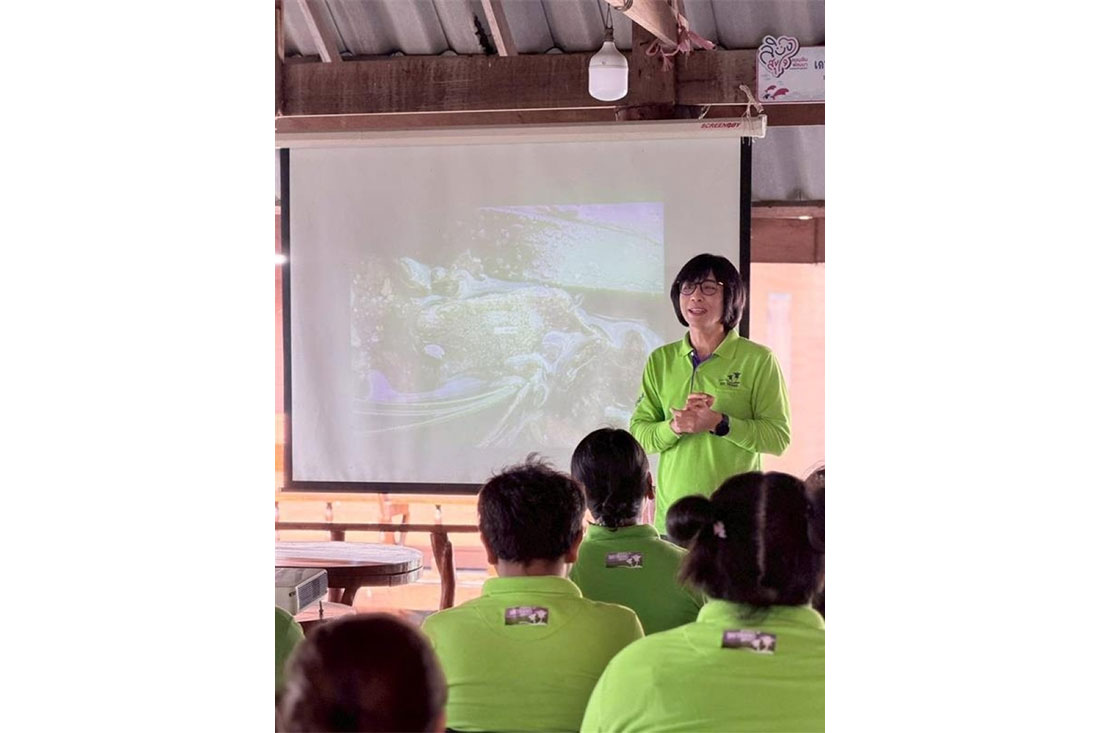
In addition to hands-on conservation activities, the project emphasized environmental education and scientific understanding. Asst.Prof.Pontep Wirachwong, Head of Marine and Environmental Science, Department of Marine Science, Faculty of Science and Fisheries Technology, Rajamangala University of Technology Srivijaya, Trang Campus, and Mr. Patipan Bupatae, Director of the Mangrove Resource Conservation Division, Marine and Coastal Resources Office Region 4, participated in the project to share expertise on the importance of mangrove ecosystems and proper marine resource management in order to help participants understand the true importance of blue carbon. Meanwhile, Asst.Prof.Pontep Wirachwong, Head of Marine and Environmental Science, Department of Marine Science, Faculty of Science and Fisheries Technology, Rajamangala University of Technology Srivijaya, Trang Campus, shared his views on the project, stating, “This project plays a vital role in the conservation and restoration of marine ecosystems, particularly in restoring seagrass beds to a healthy and abundant state. This will help increase the abundance of aquatic life and fisheries resources, which are essential to the value chain of surrounding communities. It also supports the local economy, both as a seafood production area and as a location with strong potential for sustainable tourism.”
Mr. Kerk Nuinoi, Chairman of the Ban Don Han Marine Conservation Volunteer Group and Village Headman of Moo 2, Ban Don Han, Don Sak District, Surat Thani Province, said, “On behalf of the Ban Don Han Marine Conservation Volunteer Group, I would like to express our sincere appreciation to Sri Trang Group for its continued commitment to supporting mangrove forest restoration in our area. The ‘Sri Trang Go Green’ project has contributed to restoring the richness of coastal and marine ecosystems, while encouraging the community to recognize the value of natural resources and work together to conserve mangrove forests in a sustainable manner.”
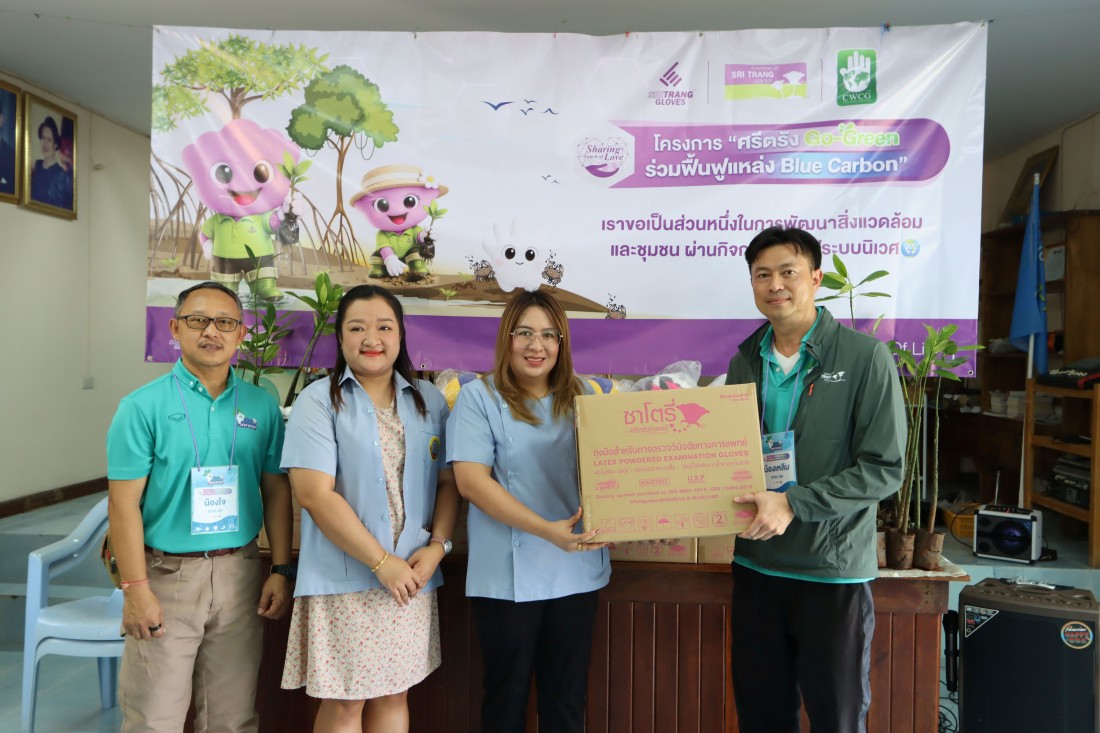
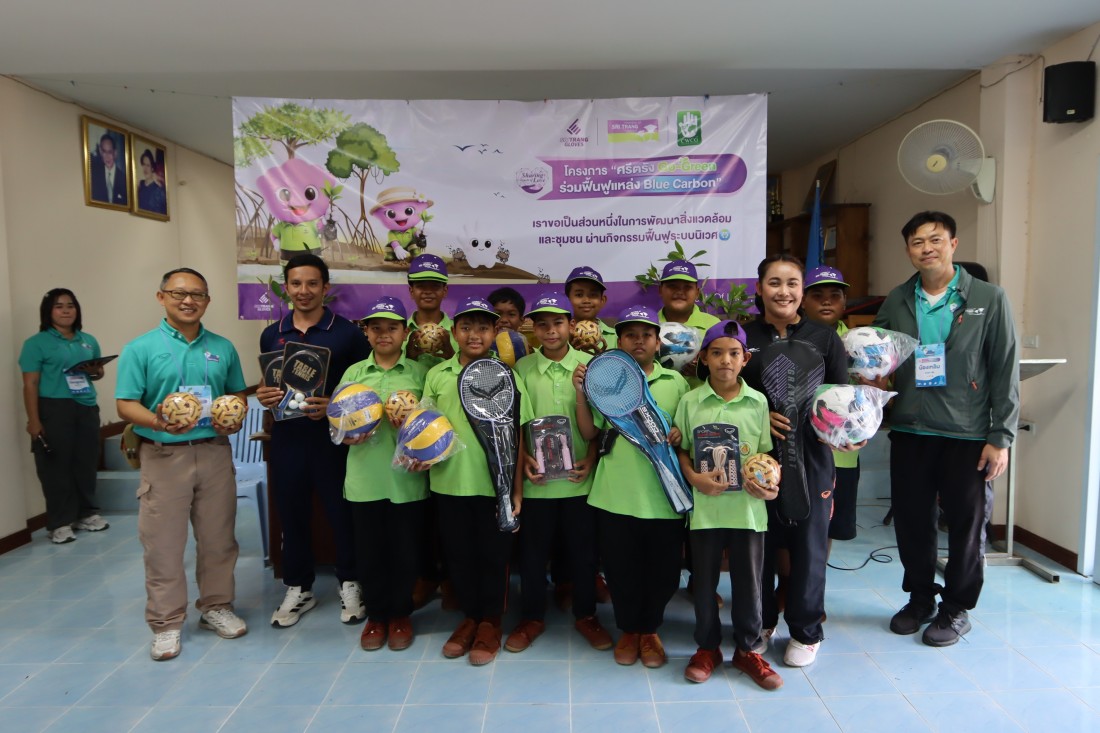
In addition to environmental restoration, the Sri Trang Group of Companies also further supported the Baan Don Harn and Kao Charoen communities by donating 10,000 Satori rubber gloves, a product of Sri Trang Gloves, to the Pak Prak Sub-district Health Promotion Hospital and sports equipment worth 5,000 baht to students at Wat Singkhon School. Furthermore, the company reinforced employee participation through the internal campaign “GoGreen – Vlog Challenge 2026,” encouraging employees to create videos communicating conservation stories. Selected entries will be published on the Facebook Page: ONE SRI TRANG to create a wider environmental awareness.
The “Sri Trang Go Green: Restoring Blue Carbon for Sustainability” project built upon the success of the 2025 project, which was held on Koh Libong and the Hat Mod Tanoi community in Trang Province. For its second year, the first phase began at Koh Libong, from April 17-19, with plans to continuously monitor the growth of the planted seagrass on a monthly basis.
The Sri Trang Group aims for the project to serve as a key driver in expanding marine green spaces, promoting biodiversity, and strengthening collaboration among the private sector, government agencies, and local communities to preserve natural resources and pass on thriving ecosystems to future generations.